


A U.S. Food and Drug Administration investigation is ongoing after 15 babies were hospitalized with infant botulism across 12 states. According to an updated report issued by the FDA, the FDA and CDC’s “ongoing investigation found an increase in the number of botulism infections among infants consuming ByHeart powdered infant formula from August 2025 to November 2025.” Initially, only two lots of ByHeart Whole Nutrition infant formula were part of the recall, but as of November 11, 2025, the company has voluntarily recalled all of its infant formula nationwide—both cans and single-serve Anywhere Pack™ sticks. Parents and caregivers will want to check their infant formula at home—and at caregiving locations—to ensure it’s not part of the recall of ByHeart Whole Nutrition infant formula.
Botulism is an intestinal toxin that can make babies very sick. According to the report,” most infants with infant botulism will initially develop constipation, poor feeding, loss of head control, and difficulty swallowing, which can progress to difficulty breathing and respiratory arrest.” Botulism can be fatal, but luckily, no deaths have yet been reported; however, the investigation is still ongoing. Here’s what to know about the ByHeart Whole Nutrition infant formula recall:
Read More:
- Gerber Arrowroot Biscuits Recalled for Potential Foreign Material
- Check the Fridge: Shredded Cheese Recall Affects Brands Sold at Target, Walmart, and More
Which ByHeart infant formula is affected by the latest recall?
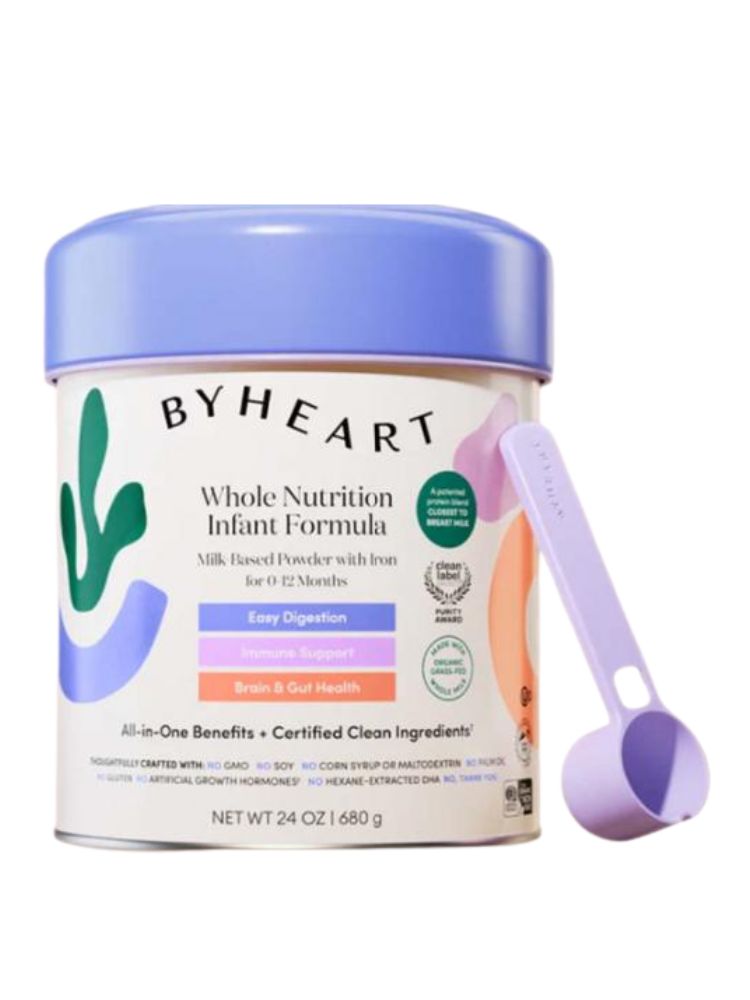
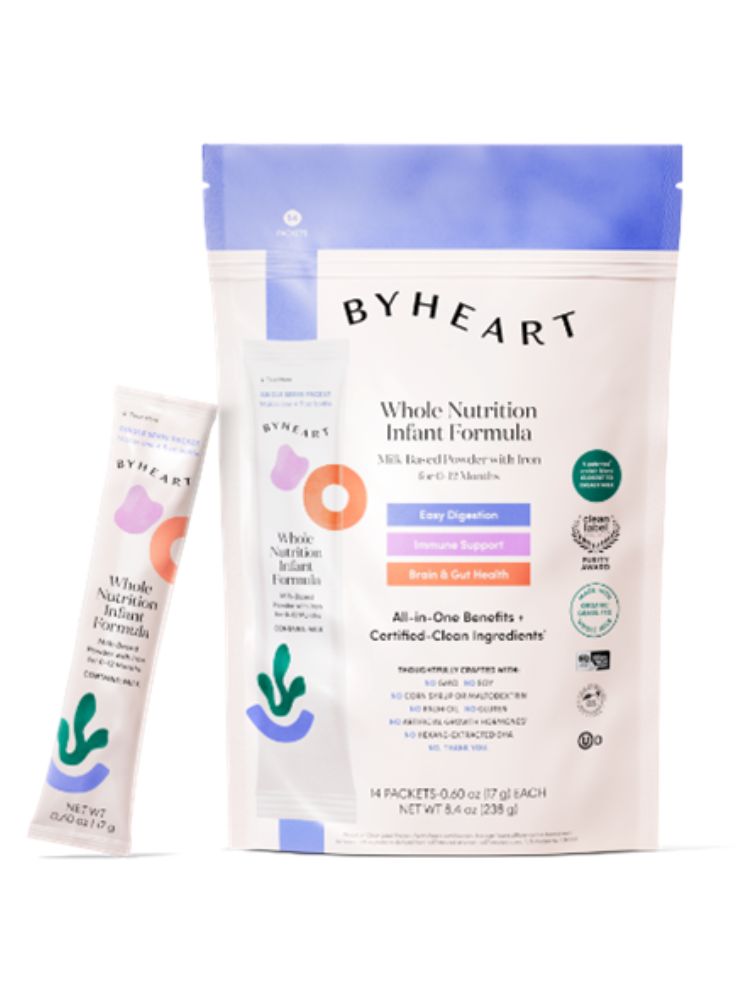
As of November 11, 2025, the company has voluntarily recalled all of its infant formula nationwide—both cans and single-serve Anywhere Pack™ sticks (pictured below).
“The FDA’s investigation into infant botulism in the U.S. is still ongoing, and we feel that there are still too many unanswered questions,” wrote the company founders in a statement on the ByHeart Formula website. “Your baby’s safety is, and always will be, our biggest priority.”
According to the report, “ByHeart Whole Nutrition Infant Formula makes up an estimated less than 1 percent of all infant formula sold in the United States and this outbreak does not create shortage concerns of infant formula for parents and caregivers.”
Where was the recalled ByHeart formula sold?
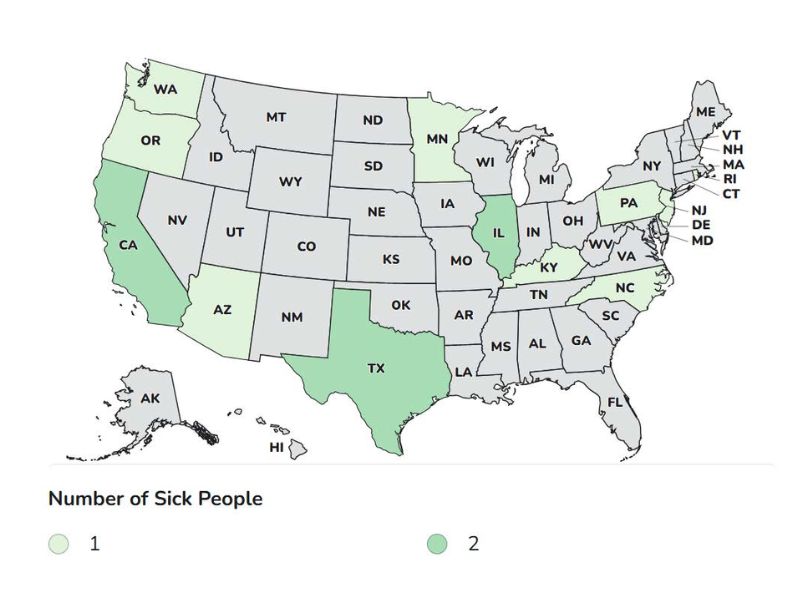
ByHeart Infant formula is sold at major retailers nationwide and online. And the multistate outbreak of 15 infant botulism illnesses includes 12 states: Arizona, California (2), Illinois (2), Kentucky, Minnesota, New Jersey, North Carolina, Oregon, Pennsylvania, Rhode Island, and Texas (2).
How was the risk uncovered?
According to the report, ByHeart Whole Nutrition infant formula makes up an estimated less than 1 percent of all infant formula sold in the United States, but among the babies affected, 40 percent had consumed ByHeart Whole Nutrition infant formula.
The company is providing the FDA with complete and unrestricted access to all its facilities and products for their investigation.
What is infant botulism?
According to the CDC’s website, infant botulism is an intestinal toxemia that can take weeks to present after ingestion. “The disease results after spores of the bacterium Clostridium botulinum or related species are swallowed. These spores temporarily colonize an infant’s large intestine and produce botulinum neurotoxin.”
Babies will present with some or all of the following signs and symptoms:
- Constipation
- Poor feeding
- Ptosis (drooping eyelid)
- Sluggish pupils
- Flattened facial expression
- Diminished suck and gag reflexes
- Weak and altered cry
- Respiratory difficulty and possibly respiratory arrest
Botulism can be fatal, so parents and caregivers should seek medical help right away if they notice any of the above symptoms. According to an article by the AP, “The sole treatment for the infection is BabyBIG, an IV medication made from blood plasma of people immunized against botulism.”
What should you do if you have the recalled ByHeart Whole Nutrition infant formula?
Parents and caregivers are advised to stop using the ByHeart Whole Nutrition formula immediately and discard it. The company has also provided guidance on switching formula brands, which can sometimes be challenging. If your child is experiencing any of the symptoms above, contact your child’s pediatrician immediately.
And you still have the formula in your home, the FDA recommends you:
- Take a photo or record the information on the bottom of the package.
- Keep the container in a safe spot and be sure to label that product as DO NOT USE.
- If your child develops symptoms, your state health department might want to collect your formula container for testing. If your child does not develop symptoms after 30 days, throw your containers out.

Kathy Sisson, Senior Editor
Kathy Sisson has been a key contributor in the editorial parenting space for eight years, not only as a full-time editor at The Everymom but previously as a freelance writer for top parenting sites, including Scary Mommy, Motherly, Parent Co., and more. As an editor at The Everymom, she has produced hundreds of articles on a range of parenting topics, reviewed dozens of family-focused products, interviewed leading experts in the children and parenting world, and created viral parenting social media content. A mom of two, she is committed to sharing the honest, helpful, and often humorous stories of motherhood.
