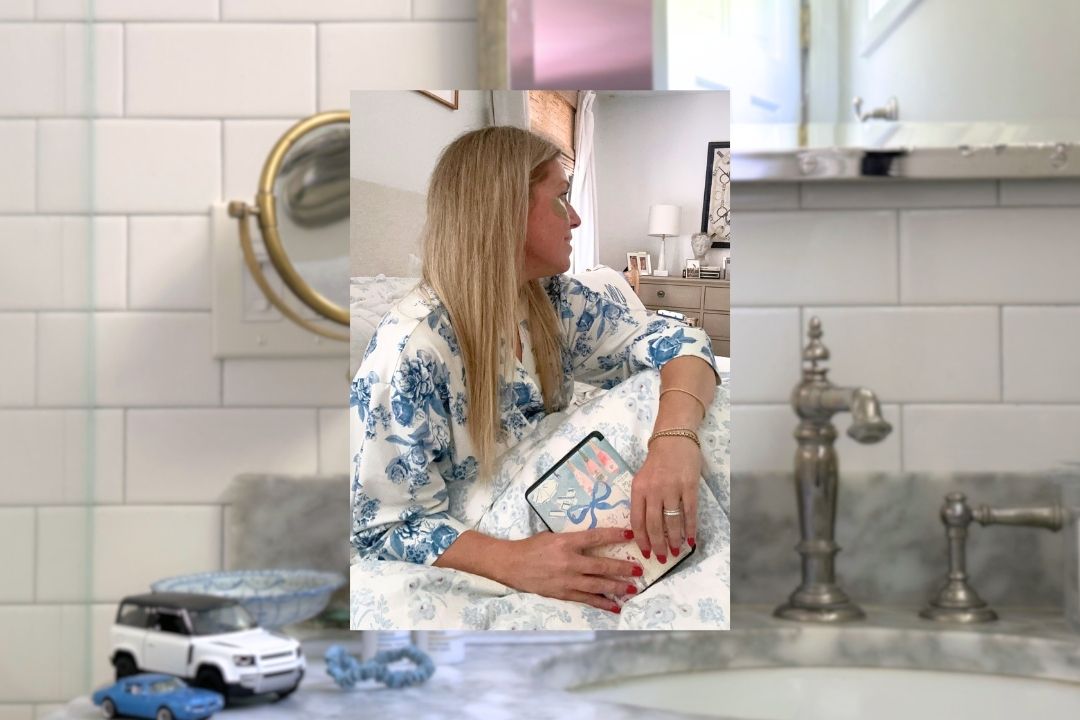
For as long as I can remember, I’ve been diligent about taking care of my skin. I wear sunscreen, invest in quality products, schedule regular facials, and rarely skip my nighttime routine. But sometime after turning 35, I noticed that my skin wasn’t responding the way it used to.
My complexion looked dull, my melasma became more noticeable, and I couldn’t seem to achieve the bright, even-toned skin I was used to seeing in the mirror. And the most frustrating part? I was already doing all the things skincare experts recommend. After years of spending money on facials, red light therapy, prescription tretinoin, and even laser treatments, I was ready to see if a personalized prescription approach could help me work toward the results I’d been looking for. That’s what led me to try Musely’s prescription skincare, and I can confidently say I’m never looking back.
Getting prescription skincare was way easier than I expected
I’d already been using tretinoin through my dermatologist for years, so I wasn’t new to prescription skincare. What was new was the idea of accessing additional treatments without trying to squeeze another specialist appointment into my calendar.
I filled out a questionnaire covering my skin concerns, medical history, current medications, and treatment goals, then uploaded photos of the areas I wanted help with. It felt surprisingly thorough while still fitting into real life. I completed most of it the same way I do everything these days: sitting on the couch after my kids finally went to bed, trying not to fall asleep while scrolling. Not long after, my treatment plan was reviewed, and my prescriptions were on their way to my door.
What I was prescribed—and why it made sense for my skin
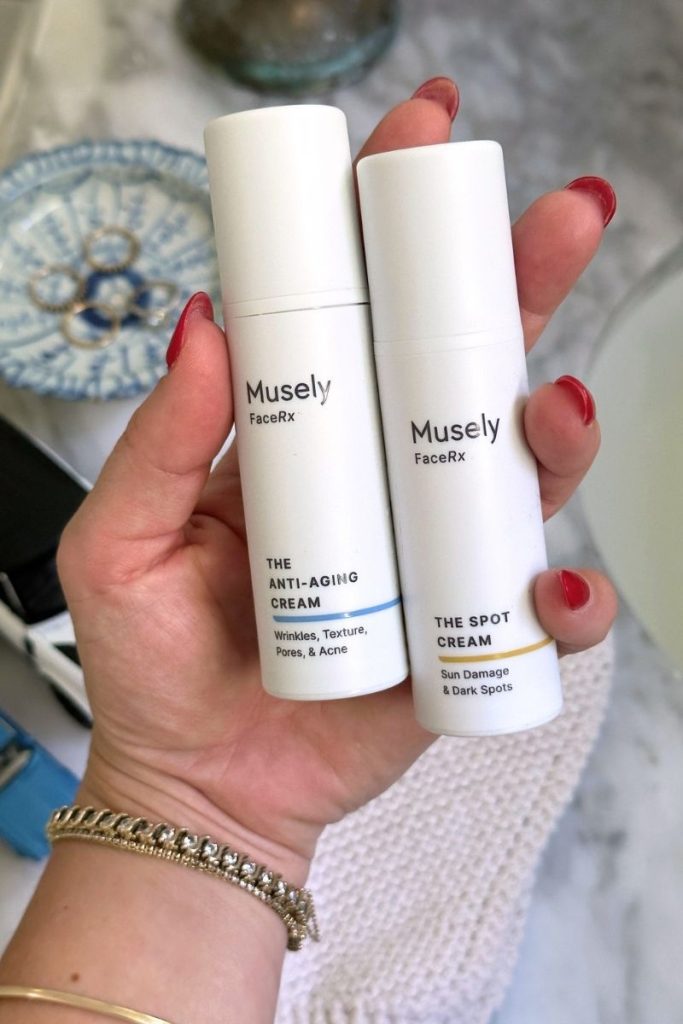
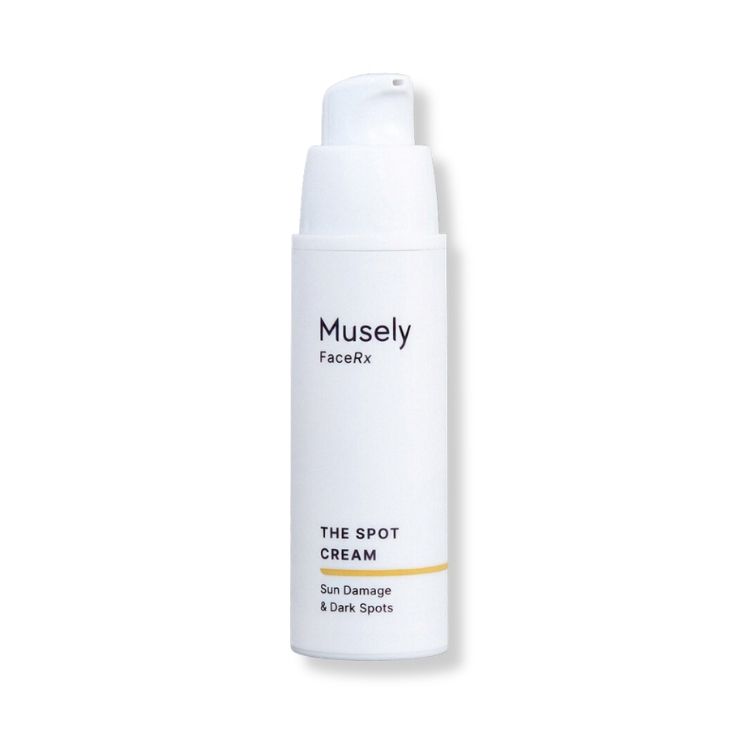
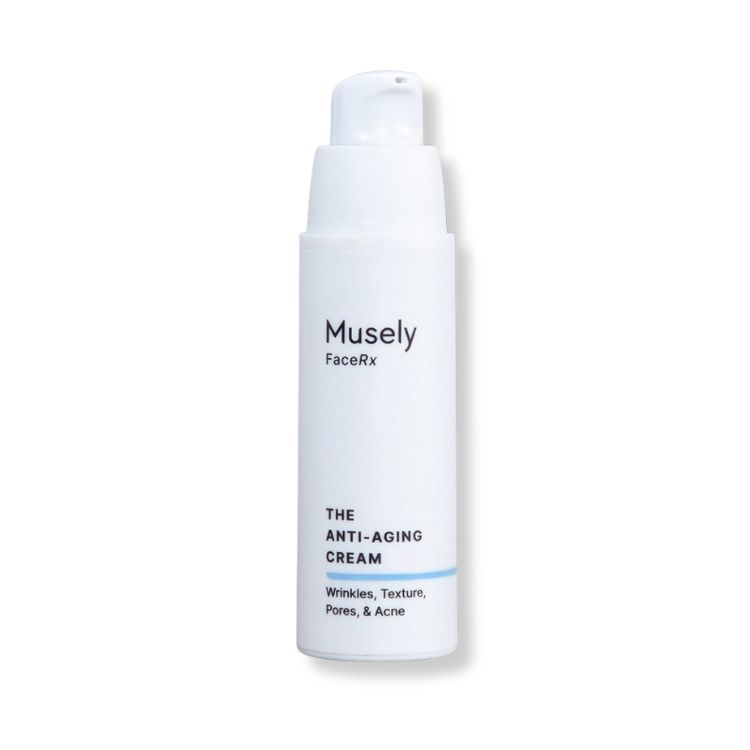
Even though this process was totally virtual, I still got the full dermatologist experience with a treatment plan tailored to my skin concerns. My doctor-recommended treatment included The Spot Cream and The Anti-Aging Cream, both prescribed to target the concerns that had been bothering me most: melasma, uneven skin tone, fine lines, and changes in texture.
It’s so easy to spend hundreds (or thousands) of dollars on over-the-counter serums and creams in hopes that they’ll work. But this experience eliminated that guesswork since the product recommendations come straight from the professionals.
Because of my previous experience with tretinoin, I knew going in that prescription skincare isn’t usually an overnight success story. Tretinoin taught me that some of the most worthwhile skincare results happen slowly. You commit to the process, stay consistent, and trust that the changes are happening before they’re obvious in the mirror.
My treatment fit seamlessly into my nighttime routine
One thing I appreciated immediately was how easy the products were to use. The Spot Cream and The Anti-Aging Cream come in pump bottles, which might sound like a small detail, but if you’ve ever wrestled with a messy metal tube while trying to finish your skincare routine before collapsing into bed, you know it matters. The pumps made it easy to dispense the same amount every time without any guesswork. Each night, my routine looked like this:
Wash and thoroughly dry my face
Apply The Spot Cream
Apply The Anti-Aging Cream
Wait about five minutes for everything to absorb
Follow with a very thick moisturizer and facial oil
Somewhere between bedtime negotiations, cleaning up the kitchen, and answering one final “Mom?” from down the hall, my new skincare ritual became the part of my evening I actually looked forward to. Five quiet minutes that were just for me. The creams themselves felt lightweight and spread easily. And while adding prescription treatments did mean simplifying the rest of my routine, that ended up being a bigger adjustment than adding the products themselves.
I’ve spent years researching ingredients, layering products, and trying to optimize my routine. Suddenly, the recommendation was to remove additional acids, keep things simple, and focus heavily on sunscreen use during the day. It felt counterintuitive at first, but it also felt like a relief to stop chasing the next product launch and simply stick with a plan.
My skin needed an adjustment period, but it feels worth it
My skin has a long history of making decisions for me. I have psoriasis, extremely sensitive skin, and a running list of beauty products that worked beautifully for about a week before my skin decided it hated them. So when I started these prescriptions, I expected I might need a slower introduction than most people. Sure enough, the adjustment period arrived.
Around week two, my skin was peeling, especially in areas where pigmentation was more prominent, and a few mild breakouts popped up here and there. There was definitely a moment where I wondered whether this was going to become another product my skin simply couldn’t tolerate. But instead of quitting, I adjusted.
Rather than using the treatments nightly, I switched to a schedule of one day on and two days off per week and also upgraded to heavier moisturizers morning and night. It wasn’t giving up—it was figuring out what worked for my skin. And honestly, because I’d used tretinoin before, the peeling didn’t completely surprise me. Prescription skincare often asks for a little patience upfront. Sometimes the “why is my face doing this?” phase comes before the “oh, now I get it” phase.
The biggest difference I noticed? My skin’s texture and tone
One thing I’ve learned in my 30s is that good skincare—and honestly, most worthwhile things—usually take longer than I want them to. Around the four-week mark, I started seeing small changes. Nothing dramatic. Nothing that made me do a double take in the mirror. But my skin looked brighter. The overall texture felt smoother. My complexion seemed more even.
What stood out most was that the Anti-Aging Cream appeared to be doing more for my skin than my previous tretinoin routine alone. Within a couple of weeks, I noticed fine lines looking less noticeable and my skin feeling smoother overall.
Then, around the eight-week mark, things became more obvious. My melasma started fading more noticeably, and the areas of pigmentation I’d been focused on for years looked lighter than they had before. More importantly, I realized I wasn’t scrutinizing my skin every morning the way I used to. I wasn’t looking for a dramatic transformation or expecting to wake up with newborn-smooth skin. But there was something satisfying about seeing steady progress after years of feeling stuck. Sure, the changes weren’t instant, but they felt real.
Why I’ll continue using prescription skincare
If this experience taught me anything, it’s that personalized prescription skincare can be far more accessible than I originally thought. Yes, I appreciated the convenience of the online consultation and having everything delivered to my door. But what mattered more was finally feeling like I had a plan tailored to my specific concerns instead of constantly guessing which new serum, facial, or treatment might be worth trying next.
For the first time in a long time, I feel like I’m not just maintaining my skin, but I’m actually making progress. And after years of investing time, money, and energy into trying to get there, that’s enough to keep me going.
Ally is the mom to two rambunctious boys, ages 5 and 7, and is rightfully referred to as “Chief Household Officer” in her home. You can find her family spending long afternoons swimming in their pool, searching for sea glass at the New England shore, and going on fun outdoor adventures.
McKenna Pringle, Assistant Editor of Branded Content
As the Branded Content Editorial Assistant, McKenna collaborates with our sales team by creating both written and social media content, collecting and analyzing performance data to report back to our partners, and assisting our editors with their everyday tasks to ensure a smooth and productive process.