


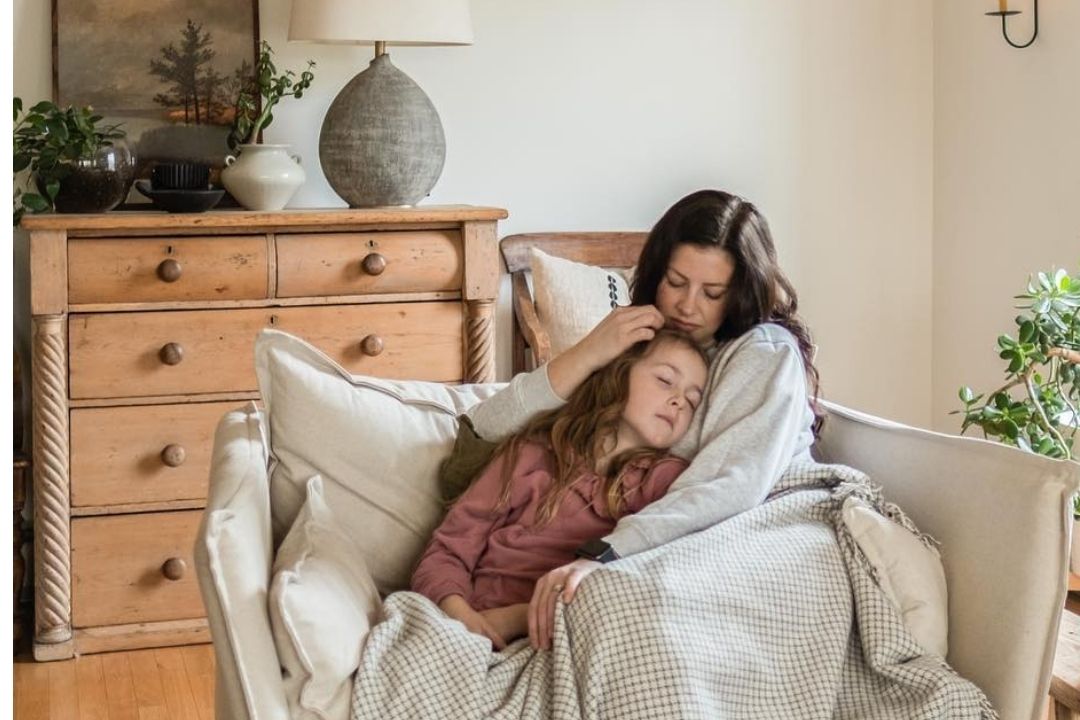
If you don’t laugh, you’ll cry, right? That’s probably why I find the viral videos of kid sicknesses—like a mom receiving her “gift” of a bi-weekly virus from daycare—so funny. Because it’s true. There are a lot of sicknesses going around this time of year. And while some illnesses are easier to identify than others (hello, norovirus), sometimes it’s hard to pinpoint what your child might have.
RSV, COVID, flu, and the common cold are all contagious, viral respiratory illnesses and all share some overlapping symptoms, like coughing and congestion. But anytime one of my kids comes home with a runny nose, it feels like a guessing game. Is it just a cold, or is it a sign of something worse to come? I find myself anxiously holding my breath to see what the outcome will be.
If you’re wondering how to tell the difference between common respiratory diseases like these, we asked two board-certified pediatricians, Dr. Mona Amin, AKA @pedsdoctalk, and Dr. Krupa Playforth, founder of The Pediatrician Mom, for insight on how to figure out what your kid might have, what to look out for, and when to call the doctor.
Editor’s Note: Always seek the advice of your physician or other qualified health provider with any questions you may have regarding the health of your child. Never disregard professional medical advice or delay in seeking it because of something you have read in this article.
You may also like:
- As a Mom and Nurse, These Are the Kids’ Cold and Flu Essentials I Always Have On-Hand
- Cold Season Relief: Doc Shares How to Help Kids Get Better Faster in Viral Video
- Illness Season Is Here—A Dietitian Shares the Best Sick Day Foods
- Pediatricians Share What Parents Need to Know About the Current Measles Outbreak

Dr. Mona Amin, Board-Certified Pediatrician
Dr. Amin is a practicing pediatrician, toddler mom, and host of The PedsDocTalk Podcast. Her mission is to share balanced, well-researched parenting advice to lessen those big worries and help moms find more joy in motherhood.

Dr. Krupa Playforth, Board-Certified Pediatrician
Dr. Krupa Playforth is a board-certified pediatrician and mother of three whose mission is to create a safe space with practical, educational content for parents at The Pediatrician Mom.
How often will your child get sick?
Unfortunately, kids get sick a lot. That’s just the nature of what happens when you’re building an immune system. On average, you can expect seven to eight colds a year in daycare-aged kids and five-to-six colds a year once they’re school-aged. Yay!
And if it seems like kids are more prone to getting sick in winter months, it’s because they are. But it’s not because it’s cold outside. Dr. Playforth explains that respiratory illnesses like RSV, COVID, flu, and colds spread more quickly in closer quarters and less ventilated classrooms. Because we spend more time inside when it’s colder, there’s a greater chance of these illnesses spreading.
How can you tell if it’s the flu, COVID, RSV, or a cold?
“Early on, it’s really difficult to tell these viruses apart because most begin the same way: congestion, runny nose, cough, and lower energy,” says Dr. Amin. “It’s best to focus less on naming the virus in the first 24-48 hours and more on how sick the child seems and what direction things are going.”
Flu symptoms
While these respiratory illnesses have similar symptoms to start, the flu typically “tends to hit hard and fast with fever, body aches, and significant fatigue,” says Dr. Playforth. She says people often describe feeling like they’ve been hit by a truck.
COVID symptoms
If your child has COVID, they might experience similar symptoms, but they might not, which is different from the flu. Some kids may only have a runny nose with COVID where others may have no symptoms at all and others feel like they have the flu. The flu, unfortunately, always has those hallmark symptoms mentioned above.
RSV symptoms
RSV also starts off similarly with coughing, congestion, and sometimes fever that gradually gets worse, says Dr. Playforth. She says RSV is typically the worst between days 3-5, and that’s when doctors will typically see symptoms going into the lungs.
“You might notice some wheezing, increased work of breathing, as well as the more standard symptoms that are consistent across illnesses in kids like changes in appetite and energy, crankiness, decreased fluid intake, and fatigue,” she says of RSV symptoms.
Common cold symptoms
Common colds typically stay pretty mild. Dr. Amin says that kids usually will still have some energy and eat and play more normally, and that they may or may not have a fever.
What do I do if my child has a respiratory illness?
Your pediatrician can test your child to determine the exact virus, but Dr. Amin and Dr. Playforth say that regardless of what virus your kid has, in many instances, you’ll treat the symptoms the same way.
“Focus on hydration, fever comfort, rest, and monitoring how your child is acting,” says Dr. Amin. You should watch for things like whether your child is breathing normally and whether they perk up or not after their fever comes down.
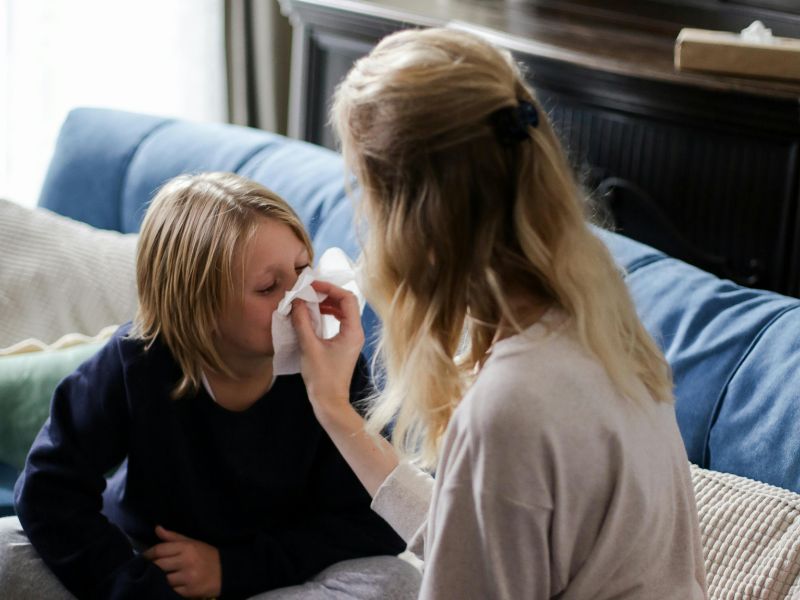
“Essentially, your goal is to support the body’s immune system as it fights off the virus, and to prevent dehydration,” adds Dr. Playforth, saying “old-school” strategies like saline drops and suctioning out nasal congestion will make kids more comfortable. Dr. Amin also says a humidifier can be helpful for coughing, too, as can a mentholated chest rub for kids over the age of two.
You should focus on making sure your child is getting plenty of fluids, and you can use fever-reducing meds like Tylenol or ibuprofen, depending on how old your child is.
For our house, lots of snuggles and TV time are also on the care plan.
When should you go to the doctor?
You should call your doctor anytime you are concerned about your child. But you should especially seek care right away if you notice any signs of difficulty breathing, if your child is showing signs of dehydration, or if their fever is persisting for more than a few days.
“If something simply feels ‘off,’ parents should trust that instinct, because it’s often an early sign that a child needs to be checked,” says Dr. Amin, with Dr. Playforth adding, “trust your gut.”
Most times, these illnesses don’t require interventions. But things like Tamiflu can be helpful to treat the flu, especially if your child is at higher risk for serious illness, and drugs like Remdesivir, in certain situations, can help treat COVID.
Is there anything you can do to prevent your child from getting a respiratory illness?
Yes and no. Getting a flu and COVID vaccine will help reduce the chances of your kids getting the illnesses, and will reduce the severity of their symptoms if they do get it. There is also an RSV vaccination that some babies can get based on circumstances. Outside of that, Dr. Amin suggests:
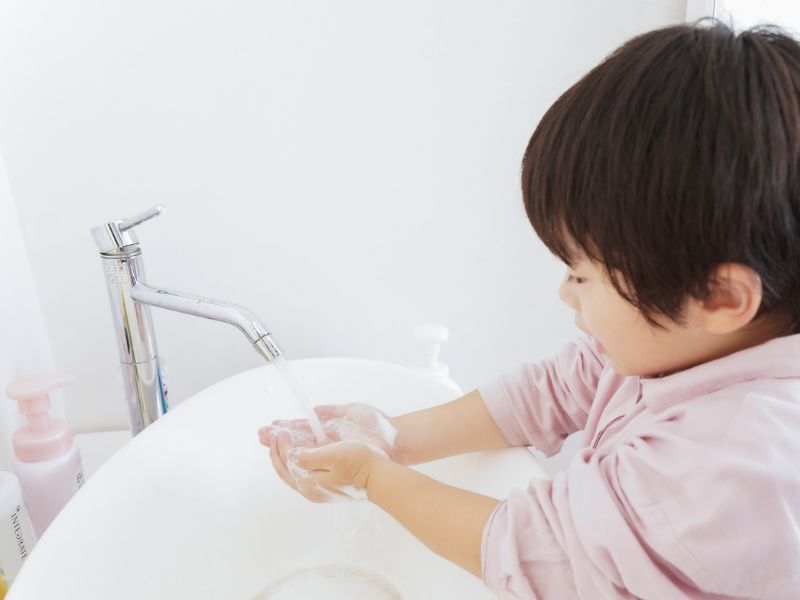
- Make sure your kids are washing their hands regularly
- Focus on things like ongoing proper hydration, sleep, outdoor time, and a healthy diet.
- Teach your kid to sneeze and cough into their elbow to try to limit the spread of any sickness.
And as tough as it may sound, keep your child home from daycare or school if they are sick. Yes, it’s miserable for working parents, but you’ll help prevent other kids from getting sick, and hopefully, the other parents in your class will do the same.
The good news is that regardless of whether your child has RSV, COVID, the flu, or a common cold that most times the illnesses are manageable at home. It doesn’t typically matter if you know which exact flavor of respiratory illness your child has, but if you want to know for sure, you can always get them tested at the pediatrician.
Still, call your doctor anytime you’re worried about your child. If nothing else, they can provide reassurance that your child is doing ok, or can provide some additional support if needed.
Knowing that your kid will be sick a lot can be daunting, but hey, we’re all in this together, which is why if you don’t laugh about the craziness of sick season, you’ll cry.
Elliott Harrell, Contributing Writer
Elliott is a mom of two little girls and is based in Raleigh, NC. She spends her days running a sales team and doing laundry and her nights writing about the things that she loves. She’s passionate about all things motherhood and women’s health. When she’s not working, writing or parenting you can find her trying a new restaurant in town or working on her latest needlepoint project.
