



I grew up with shows like One Tree Hill, Dawson’s Creek, and The OC — shows that were ultimately just about young, attractive people growing up, exploring relationships (so many relationships), and doing it all with very limited parental oversight.
But somewhere along the line, TV changed. Now, everything feels so conceptual: There are workplace dramas and taut thrillers everywhere you look. And when I became a chronically overstimulated mom, I found myself straying away from scripted TV. It all just felt so intense. Instead, I craved simple, escapist entertainment at the end of each day.
And then The Summer I Turned Pretty (TSITP) came along. And against all odds, I—like so many other millennial moms—fell hard for a slightly juvenile, occasionally infuriating show about a girl half my age caught between two epic loves (who happen to be brothers, NBD) and navigating these loves from an unbelievably gorgeous beach house alongside their families.
You May Also Like:
- I’m a Millennial Mom and Already Binging ‘Off Campus’ a Second Time—Here’s Why
- I Watched ‘Heated Rivalry’ and It Jump-Started My Sex Life
Why ‘The Summer I Turned Pretty’ connects with millennial moms
The thing about this show? It’s simple. Like shows from the aughts, The Summer I Turned Pretty exists in a world that feels incredibly small. It’s just about a group of people in an idyllic fictional town, but the dealings that transpire within this little world feel monumental. There’s something so youthful about that—and ultimately, that’s what The Summer I Turned Pretty is. It’s girlhood.
Like the shows millennials grew up with, there’s an epic love triangle. There’s major, major yearning (#TeamConrad, anyone?). And at the center of it all, there’s a female lead who feels human and relatable and messy and imperfect.
Maybe that nostalgia factor is why The Summer I Turned Pretty seems even more popular with millennials than it does with the people who are actually in the same phase of life as the young characters. But I think it’s more than that. If this were just a teen show, even a teen show that captured the magic of the dramas we fell in love with during our own youth, I just don’t know if it would have the same sort of chokehold on millennial moms that it seems to have on our generation.
So what is it about this show that appeals to millennial moms so much? My theory is this: It makes us feel like we’re looking back and looking forward all at once.

The characters make us remember our younger selves
We see our young selves in Belly. We see our first epic, heartbreaking love in Conrad, and our good-on-paper ex in Jeremiah. But we don’t feel like we are walking through this world in Belly’s shoes. Instead, we feel like we’re looking back at her—and, in some ways, our young selves—knowing what we know now. We don’t identify with Belly. We see her as who we used to be.
In Conrad and Belly, we see the type of yearning, searing, time-defying love we were raised to believe in. In Jeremiah and Belly, we see the fantasy unravel. Only now, we get to watch it through the lens of hindsight. We know that what makes great TV doesn’t necessarily make for great real-life choices.
“We get to watch it through the lens of hindsight. We know that what makes great TV doesn’t necessarily make for great real-life choices.”
There are so many of the trappings of the TV shows we grew up watching: The incredible soundtrack and the intentional way music is used to tell stories. The slightly incestuous friend group. The unfiltered cringe, which we rarely see in our heavily filtered social media-driven climate. The love triangle (millennials love a love triangle).
But the parents matter, too
Part of what sets The Summer I Turned Pretty apart, though—and what makes it such a runaway hit with real-life moms—is that the parents actually matter here. Unlike many of the shows we grew up with, in TSITP, the moms feel like real, pivotal characters.
The moms are relatable to our lives, now
Susannah and Laurel feel like fully fleshed-out humans. We get to watch their friendship evolve as they become wives and mothers, as they weather divorces and death. And we get to see them take on the ultimate act of mom friendship as they take care of each other’s kids. It feels like the type of friendship we should all aspire to cultivate, yet both of these women are flawed and frustrating. The fact that they’re neither perfect mom caricatures nor completely MIA from their kids’ lives also feels incredibly refreshing. They’re good moms who are just…figuring it out.
Related Story: 10 Outfits I’m Replicating From ‘Nobody Wants This’ Season 2
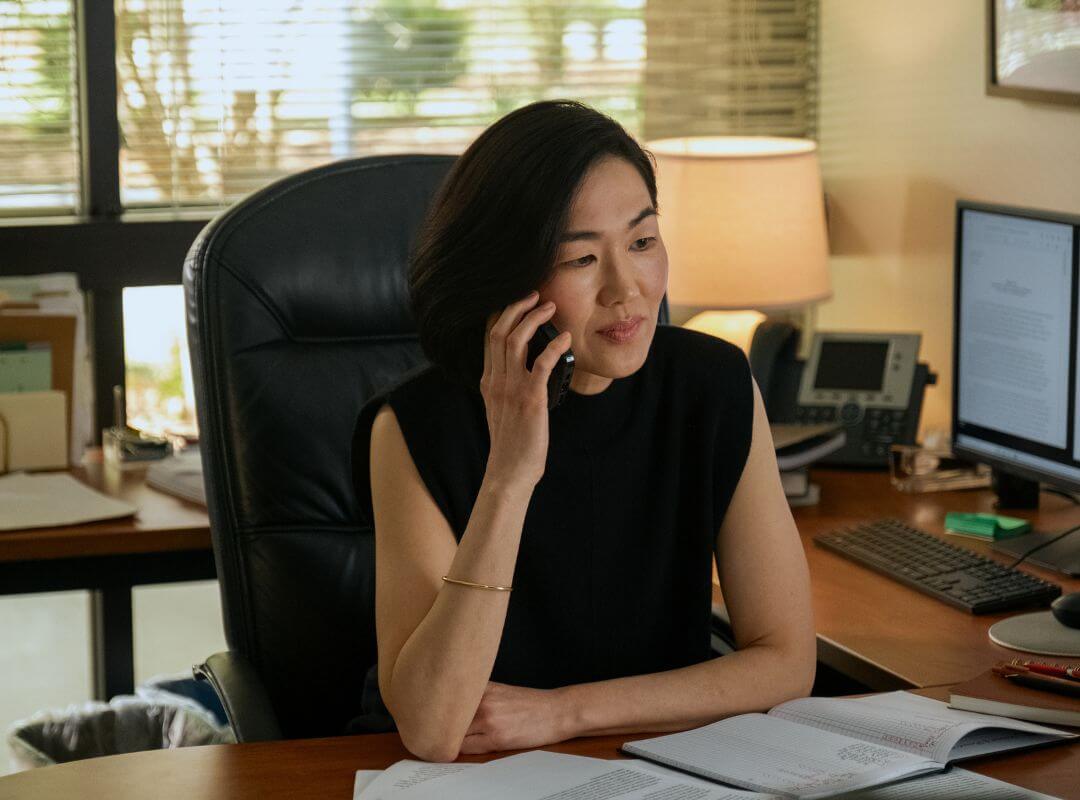
In the show’s most recent episode in season three (light spoilers coming), Laurel (Belly’s mom) and Adam (Conrad and Jeremiah’s dad) argue about their respective approaches to parenting in the aftermath of their kids’ cancelled wedding. The conversation gets heated, and then Laurel says, “What do you want me to say? That I have no idea what I’m doing either? Is that what you want to hear right now?” At that point, the tension breaks. As a mom watching this scene, I felt it right in my gut.
We are winging it and trying to prevent our kids from making the same mistakes we did. And as mothers watching this show, we don’t just get to ask ourselves “What would I have done in this situation?”, we also get to wonder “How will I handle this if my child is in this situation one day?”
Read more: See how one mom is using ‘The Summer I Turned Pretty’ as a mother-daughter bonding moment with her teen.
A millennial mom’s final thoughts on ‘TSITP’
That’s the rare gift The Summer I Turned Pretty offers the moms who watch it: It delivers that nostalgia, yet it meets us where we are. Because there is that parental representation, we don’t just feel like we’re watching kids come of age, we feel like we’re being represented for all that we are: There’s girlhood in spades, yes, but there’s also an imperfect depiction of what it feels like to stumble into womanhood and motherhood…even when we still feel a bit like teenage girls ourselves.

Zara Hanawalt, Contributing Writer
Zara is a twin mom and freelance journalist with over a decade of experience covering parenting, women’s health, and culture. In addition to The Everymom, she’s written for outlets like Vogue, Marie Claire, Glamour, Cosmopolitan, Parents, Shape, Motherly, The New York Times for Kids, What to Expect, and many others. In her spare time, she enjoys reading, cooking, travel, watching TV, and trying new restaurants.
