



Kids’ sports are a common theme in the mom group chats. In kindergarten, it might just be coordinating after-soccer snacks or asking if anyone has second-hand cleats. But as kids grow, participating in low-pressure rec leagues for fun moves to the sidelines in favor of competitive travel teams and club sports. Today, it seems like more children are “specializing” in one sport at increasingly younger ages. When I think back to my school-aged years, I remember trying multiple different sports, and each season brought a new activity.
Now, many young children are playing one sport or participating in one activity year-round—they play the same sport for school, the park district, travel teams/clubs, and training camps. While this specialization may be great for some children and can produce stand-out athletes, participation in multiple sports and activities offers many advantages—especially when kids are just beginning to explore and discover their interests. Not to mention, the primary purpose of sports should be fun. Here, we’re diving into today’s youth sports culture and sharing six benefits of playing multiple sports for kids.
You May Also Like:
- When Should Kids Start Playing Sports? Here’s What the Research Says
- My Son Doesn’t Want to Play Team Sports—And I’m OK With That
- For the Moms Who Never Miss an Event—Apparel for Your Kid’s #1 Fan
What is Happening With Youth Sports?
Of course, playing youth sports has so many benefits: daily physical activity, teamwork, discipline, friendship, and fun. But between the cost of today’s youth sports teams and the pressure for earlier and earlier sports specialization, many families feel stuck wondering what the “right” choice is for their child: Should they stretch up to more competitive teams? How early is too early to specialize in one sport? Here’s what’s happening in the current era of youth sports:
Early sports specializations
“My daughter really wanted to try competitive cheer when she was 9,” shared one mom from Michigan, “but it required a year-long commitment, meaning she’d have to forgo all her other activities. When we also factored in the thousands of dollars for the required uniforms, travel, etc., we opted out…for now.”
“My daughter’s friends decided not to do the little group ballet class we’ve had them in for the last 2 years so they can commit more seriously to their soccer teams… they’re all kindergarteners. Can only imagine how intense it’ll be by middle school and high school,” shared another mom from California.
“My daughter’s friends decided not to do the little group ballet class we’ve had them in for the last 2 years so they can commit more seriously to their soccer teams… they’re all kindergarteners.”
Decline of rec teams and growth of pay-to-play travel sports
What about the kids who show interest after all their friends have joined competitive teams? When is it “too late” to start a sport when early specialization among teammates may be demotivating for them?
“After the World Cup, my son showed an interest in soccer for the first time,” shared Robi from New York, “But he’s 9, and there’s nowhere for him to learn the basics of the game—at this point even the rec teams are full of travel sports kids.”
Passion, pressure, FOMO—and private equity—are fueling the new era of youth sports, according to the experts at John Hopkins Medicine, who shared some of the drivers for early youth sports specialization, including:
- Rapidly growing youth sports industry (more on this, below)
- Passion for the sport
- Individual drive to improve their skill level
- Fear of missing out
- Pressure from coaches or parents
- Desire to please coaches, parents or teammates
- Impression that specialization is a requirement for success (at the high school, college or professional level)
Youth Sports is Big Business
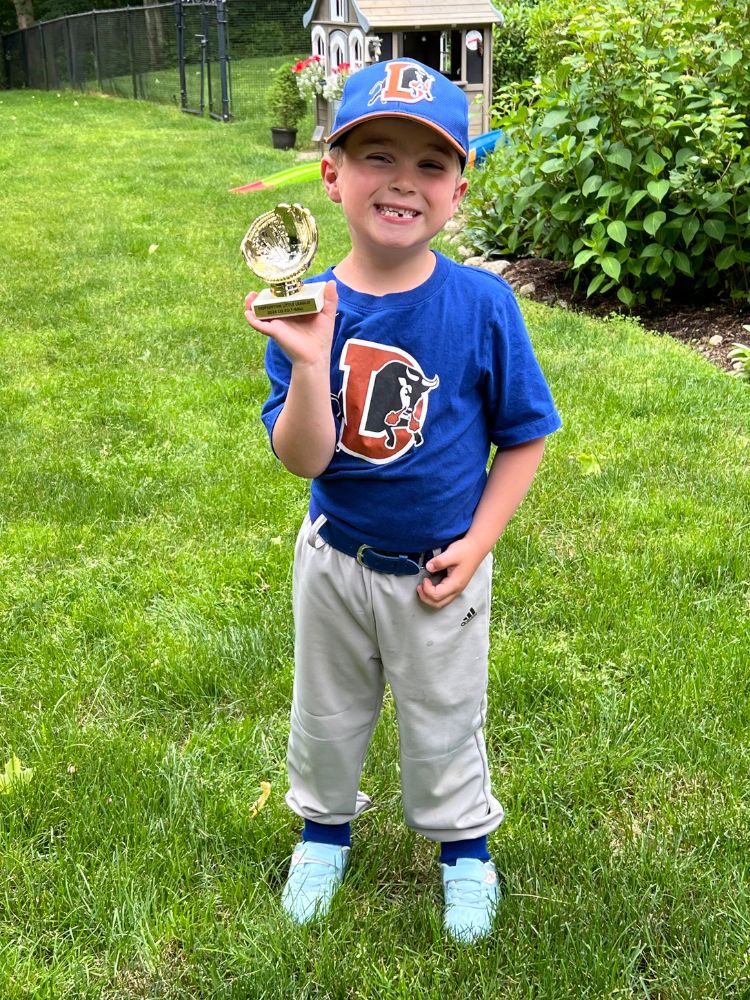
So why the change in youth sports? In recent years, youth sports have become a 40 billion dollar industry. According to research by the Aspen Institute, the costs of youth sports have risen 46 percent over the last five years, with lower-income families priced out and middle-class families going into debt to cover them (families spent an average of $1,016 a year on one child’s primary sport). So, no, it’s not just you feeling like the cost and expectations of kids’ sports have drastically changed.
“Youth sports have become a 40 billion dollar industry, so it’s not just you feeling like the cost and expectations of kids’ sports have drastically changed.”
U.S. representatives on both sides of the aisle are sounding the alarm. A Republican-led Subcommittee on Early Childhood, Elementary, and Secondary Education called the decline in youth sports a “crisis,” with committee witnesses saying the “hyper-commercialization of youth sports has lowered participation for children across all income levels—preventing children from learning critical life skills like perseverance, discipline, and teamwork.” While Democrats recently introduced a bicameral bill—the Let Kids Play Act—aimed at removing “vulture” private equity firms that have overtaken youth sports.
Did We Lose the Plot in Youth Sports?
Even Kim Kardashian sees the business opportunity in shining a spotlight on today’s intense youth sports. She’s executive producing a new reality show, Baseball Moms, which debuts on Paramount+ in September, that follows families at Scottsdale’s elite Legendary Prep Academy. Dance Moms, but make it baseball? We’ll see.
Are these elite schools, private equity firms, and media feeding the disconnect between parents’ perception of their child’s potential athletic success and reality? According to the Aspen Institute’s Project Play survey, 22.2 percent of parents believe their child has the ability to play intercollegiate sports. And roughly one in ten believe their child can play national, Olympic, Paralympic, or professional sports. The reality is that, for most NCAA sports, less than 10 percent of high school athletes go on to play at the college level, with a much smaller percentage going pro.
When the Aspen Institute surveyed young athletes themselves, they found that “having fun and playing with friends are by far the top reasons children and adolescents play sports—motivational factors that sit in contrast to the messages often sent by an increasingly commercialized youth sports system that prioritizes winning and the lure of college athletic scholarships.”
So how do we keep fun and friendship at the center of youth sports? Multi-sport sampling is a great start.
Benefits of Multi-Sport Participation for Kids
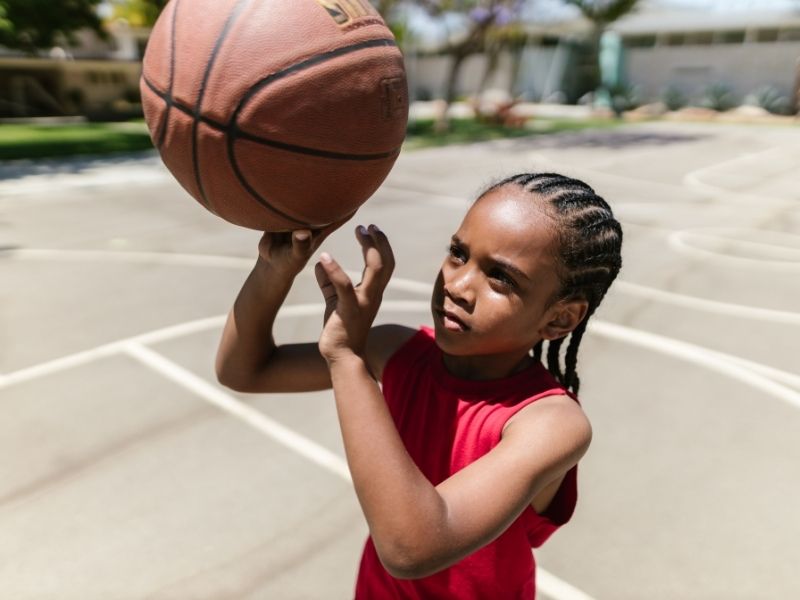
The American Academy of Pediatrics (AAP) says most kids are ready for team sports around age 6, and age 9-10 for stronger competition and keeping score. Additionally, the AAP and other experts recommend delaying single sports specialization as long as possible. Here are the benefits of kids playing multiple sports—AKA sports sampling.
Decrease the risk of burnout
First and foremost, specialization can lead to burnout and can decrease the enjoyment that a child may find with that sport. I recently spoke with an athlete who played soccer year-round since her elementary school days. When it was time to go to college, she no longer wanted to keep playing; however, she felt that she owed it to her parents to explore a college athletic scholarship. I’m not saying that this is guaranteed, but while children are young, it’s a great opportunity to explore multiple things before high schools may require increased specialization. Participation in multiple different sports can help your child explore a diversity of interests and keep physical activity exciting and stimulating.
Exercise different muscle groups
As a physical therapist, I am continuously thinking of what muscles are being targeted in different activities. Different sports target different muscles, and by participating in many things, children can be sure to balance all of their muscle groups. For example, running is commonly quad-heavy, and the glutes and core often go by the wayside. However, complementing running with dance or swimming can help target those other muscle groups.

Decrease the risk of overuse and injury
When a child plays one sport year-round, those primary muscle groups become overworked, and this very commonly leads to injury. Performing the same activity on the same surface (for example, field, court, path, etc.) can lead to pain and injuries. It’s vital to train your muscles in different ways—it’s why marathon runners must cross-train and strength train if they want to safely and comfortably make it to race day.
Engage with various team dynamics
Exposing your child to different activities exposes them to diverse team dynamics. Some may be more competitive, and others may be more relaxed. Doing both can help your child explore what they are looking for in sports and activities. It can also help them explore their own teammate and leadership roles—with different team dynamics, they can explore how their own role changes with different teams.
Have exposure to different leadership and coaching styles
With different team dynamics come different leadership and coaching styles. Exposing your child to a variety of coaches can provide them with more adult figures in their lives. Hopefully, these adult figures are role models for your child. However, even if the coach isn’t the most positive role model, it may help your child recognize what they look for in leaders or strive to be a leader themselves. Some coaches are more demanding, which may help your child thrive, while other coaches could be more comforting, which may create a better environment for others. By exposing your child to multiple activities—including those outside of sports teams—they can find the right environment for them.
Discover multiple friend groups and outlets
In a world where it can often be hard for a child to find their place, a variety of activities allows them to dip their toes into different friend groups. It can allow your child multiple opportunities to find where they feel most comfortable and most accepted. Additionally, it can allow them to have different outlets when one may not be going so well. I loved that my parents encouraged me to try multiple things, so that I had different places to put my energy. For example, when high school friendships got tricky, as most can, I had friends from summer camp and different outside sports to whom I could turn. Multi-sport participation can provide your child with different social supports.
Multi-sport athletics may not be for everyone, and specialization may be something more suited for your own child. However, when a child is young and has the opportunity to explore different paths, participation in a variety of activities offers many benefits and opportunities to find new passions and interests.

FAQs About Youth Sports
The American Academy of Pediatrics (AAP) says most kids are ready for team sports around age 6 and age 9-10 for stronger competition and keeping score. Sports specialization should be delayed as long as possible to avoid injury and burnout.
Ask if your local sports team is funded locally or investor-owned—and choose local when you can. School sports teams, rec leagues, and other community programs can provide multi-sport variety for kids of all skill levels. These programs are essential for families who can’t afford pay-to-play sports clubs.
Playing multiple sports, also known as “sports sampling,” has many benefits: exposure to different skills, teammates, and coaching styles, decreased risk of overuse and injury, and decreased risk of burnout.

Mary Noreen Cheng, PT, DPT
While not a mother yet, Mary Noreen gets her baby fix as a full-time pediatric physical therapist in Chicago. She loves to advise on all-things related to gross motor development and kids health, and especially loves to snuggle with her dozens of cousins and godchildren.

Kathy Sisson, Senior Editor
Kathy Sisson has been a key contributor in the editorial parenting space for nearly a decade, not only as a full-time editor at The Everymom but previously as a freelance writer for top parenting sites, including Scary Mommy, Motherly, Parent Co., and more. As an editor at The Everymom, she has produced hundreds of articles on a range of parenting topics, reviewed dozens of family-focused products, interviewed leading experts in the children and parenting world, and created viral parenting social media content. A mom of two, she is committed to sharing the honest, helpful, and often humorous stories of motherhood.
