



Imagine your child walks into the kitchen while you’re making dinner and says, “I think I’m autistic.” Or they think they have ADHD, anxiety, or OCD. You ask what made them wonder, and they respond, “I saw a video on TikTok.”
Suddenly, you’re trying to keep dinner from burning while wondering whether your child has been struggling with something you missed. You may also be mentally preparing a lecture about why a stranger with a ring light shouldn’t be handing out diagnoses.
I hear some version of this scenario pretty often from parents who listen to my ADHD parenting podcast, Chaos & Caffeine. While my middle schooler doesn’t have social media, he and his friends have been hearing about ADHD, anxiety, and autism since kindergarten. I’ve noticed how openly they talk about these things with each other. They also see what support looks like at school. A classmate might wear headphones during independent work or take a movement break when they need one.
For a kid who’s already heard friends talk about ADHD, a video might put words to something they’ve been noticing in themselves. Maybe they’ve spent half an hour staring at an assignment they wanted to finish and couldn’t figure out how to start. Then someone describes that exact feeling, and suddenly the kid has a way to bring it up at home. Here’s how to talk them through it.
Editor’s Note: This information is not intended to replace professional diagnosis, treatment, or medical advice.
Read More:
- Navigating The Emotional Weight of Tween Group Chats—Moms and Experts Share
- Gen Z Grads Share: What I Wish My Parents Did Differently When I Was in High School
- What I Wish I Knew About Parenting Pre-Teens
Start with this question
I’m a woman with ADHD, a mom in a neurodivergent family, and I spent 13 weeks interviewing experts about ADHD and screens. I’d still have about twelve questions in the first three seconds. How long have you been feeling this way? What did I miss? And what exactly did the stranger with the ring light say?
The first question I’d actually ask is the one that would tell me the most about what my kid was trying to share: “What about that video felt like you?”
That’s the question I’d want to ask first. It gives a child room to explain more than the label they’ve found.
Maybe someone described the frustration of wanting to start homework but feeling unable to begin. Maybe they talked about feeling overwhelmed by noise or worrying constantly. Maybe your child recognized an experience they’ve never known how to explain. Or perhaps the video made a broad claim that needs a closer look. You won’t know which part connected until you ask.
I’d follow with, “I’m glad you told me,” and then listen. A few questions can help: When does this happen? How long have you felt this way? What’s the hardest part?
The trick, at least for me, would be asking one question at a time. My brain can plan the appointment, research the provider, and generate 12 follow-up questions while my child is still answering the first one. I would need to slow down.
Give yourself a second before you react
My ADHD brain can fit a truly impressive amount of guilt into three seconds. Did I miss something? By the time my kid finishes the sentence, I could already be mentally reviewing every parent-teacher conference I’ve ever attended.
I’d try to take a breath and say, “I’m glad you told me. What part of the video felt familiar?” Then I’d let them finish. If I jump straight to “Why didn’t you tell me sooner?” my kid might end up explaining why they waited when what I really want to hear is what they’ve been going through.
And if I do blurt out the first thing that comes to mind? I can take another run at it. “I got a little ahead of myself. I’m listening. What were you about to say?”
Later, I can talk through the ‘How did I miss this?’ spiral with another adult I trust. In that first conversation, I want my kid to have room to tell me what they’ve noticed, even if they’re still figuring out how to say it.
Take their experience seriously, even when you’re unsure about the label
It’s tempting to reassure a child with, “Everybody gets distracted,” or “You seem fine to me.” Those responses may come from love. They can also end the conversation before we understand what’s happening. Instead, I’d try, “I didn’t realize it felt that hard. Let’s learn more about it together.”
You don’t have to confirm a diagnosis to acknowledge a struggle. And you don’t have to decide over dinner whether your child’s explanation is correct.
Children may bring up autism, ADHD, or AuDHD, the shorthand for co-occurring autism and ADHD, as well as mental health concerns such as anxiety, depression, OCD, or ODD. These aren’t interchangeable, and each deserves appropriate consideration. The useful starting point is what your child is experiencing and how it affects their daily life.

Look at the information together
On Chaos & Caffeine, I interviewed ADHD researcher Dr. Stephen Faraone about how parents can find trustworthy, science-backed information to help them raise kids with ADHD when their feeds are full of misinformation. Online communities can help us feel less alone, but another family’s experience doesn’t tell us what’s happening in ours.
“Online communities can help us feel less alone, but another family’s experience doesn’t tell us what’s happening in ours.”
If my child were willing, I’d ask to watch the video with them. Then we could consider a few questions together:
- Is the creator sharing a personal experience or making a medical claim?
- What qualifications and sources support their advice?
- Do they acknowledge that the same experience can have different explanations?
- Are they selling a product, test, or treatment?
There’s a reason to check carefully. In a 2025 PLOS ONE study, two clinical psychologists evaluated the top 100 #ADHD TikTok videos. Fewer than half of the claims about ADHD symptoms aligned with the diagnostic manual. That finding applies to the ADHD content studied; it doesn’t establish the accuracy of every video about neurodivergence or mental health.
“Fewer than half of the claims about ADHD symptons in the top 100 #ADHD TikTok videos aligned with the diagnostic manual.”
I wouldn’t use that research to announce that everything my child watched was wrong. I’d use it to explain why we need more information: “This helped you notice something. Let’s check what reliable sources say, too.”
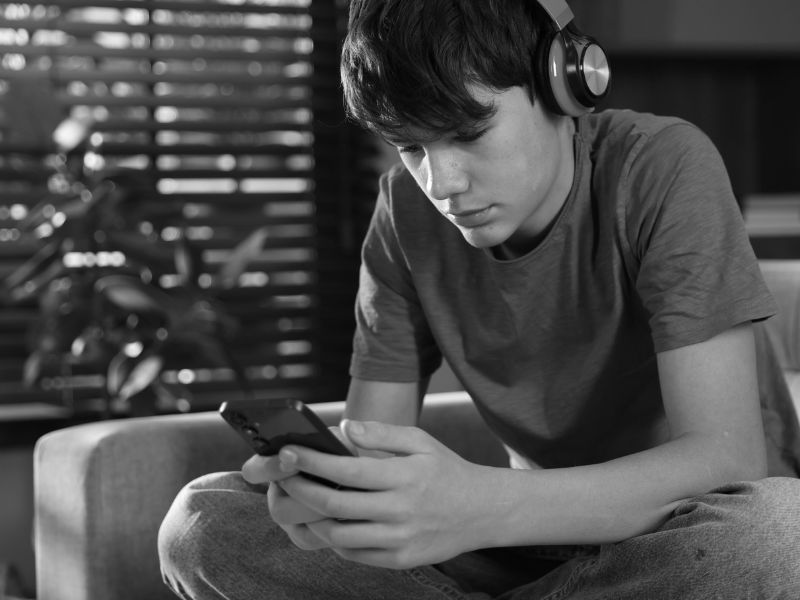
Get help with the questions a video can’t answer
The CDC explains that ADHD diagnosis involves several steps and information about a child’s behavior in different settings. There’s no single diagnostic test, and concerns such as sleep problems, anxiety, depression, and certain learning disabilities can have similar symptoms.
That’s why I’d contact my child’s pediatrician or another qualified professional experienced in evaluating children. I’d describe the concerns and ask what assessment or referral makes sense.
Before the appointment, I’d offer to write down the examples my child wants to share. What feels difficult at school? At home? With friends? What have they noticed that I haven’t?
The National Institute of Mental Health recommends seeking help when emotions or behaviors persist for weeks, cause distress, or interfere with functioning. You can also raise concerns with a provider before you’re sure what they mean. You don’t need to arrive with the diagnosis figured out.
If a child’s behavior is unsafe or they talk about wanting to hurt themselves or someone else, seek help immediately. In the U.S., call or text 988 for crisis support; call 911 in a life-threatening emergency.
Offer support while you’re looking for answers
Making an appointment is a step forward, but your child still has to get through tomorrow. I’d ask, “What could make today a little easier?” Perhaps they want help breaking an assignment into smaller steps, a quieter place to talk, or someone to listen without immediately offering a solution.
Those conversations can help us understand their needs while we pursue professional guidance. They don’t require us to adopt every explanation from their feed.
I would also keep their questions private. As a parent who writes publicly, I know the pull to seek reassurance from other moms. But a child should have room to explore something personal without discovering the details in a group chat or social post.
Keep listening, even if the answer changes
An evaluation may confirm what your child suspected. It may point to a different explanation or raise questions that need more time. Whatever happens, I’d avoid “See? I told you.” Their decision to bring a concern to me would still have mattered.
And if my first response came out badly, I’d return to it: “I was surprised, and I started talking before I listened. Can we try again?”
I don’t expect myself to have a polished response ready for every difficult parenting conversation. Sometimes I need a minute. Sometimes I need help. But if my child comes to me with a video and a question about themselves, I want them to leave knowing I’m going to take that question seriously.
I’d turn down the stove, pull up a chair, and ask them to tell me more.

Danielle Kelly, Contributing Writer
Danielle Kelly is a freelance writer, former ADHD parent coach, and host of Chaos & Caffeine, an ADHD parenting podcast. A woman with ADHD and a mom co-parenting her son in rural North Carolina, she brings humor, honesty, and curiosity to conversations about motherhood and life in a neurodivergent family. In addition to The Everymom, her writing has appeared in HuffPost, Scary Mommy, Business Insider, and Her View From Home.
