



Depending on where you live, ticks might be on your mind and on your body. I live in Rhode Island, which unfortunately means I have a working relationship with ticks. We have a dog (AKA, a tick magnet). And we have woods more or less everywhere around our home. My son goes to a school that keeps kids outside for most of the day, in all the weather. So he’s already no stranger to ticks. We pull them off ourselves in the summer all the time. If you live somewhere like this, you’ve likely encountered ticks, too. And if you’re new to it, I feel for you. Tick prevention for your kids’ health is one of the more annoying parts of an otherwise great season.
I also had Lyme disease, which was awful, and made worse by the fact that I was barely two months postpartum at the time, so I missed some health symptoms, thinking it was my body adjusting to the fourth trimester. I don’t joke around about ticks. We do checks every night. But I’m also not living in fear about it.
We didn’t pull my son from his very outdoorsy school. We haven’t stopped going to the places we love. I’ve pulled a tick off him walking out of our own local playground, and we still go to the playground. What I’ve decided, even after Lyme, is that staying proactive and aware are what matter. And now that my son is a little older, I’m even starting to teach him to do the same. Here, with the help of a pediatrician, is what parents should know about tick prevention for kids.
You May Also Like:

Dr. Laura Petrovich
Dr. Laura Petrovich is a board-certified pediatrician at Rady Children’s Health in Orange County in Irvine, California, specializing in the health and well-being of children. Practicing in Orange County since 2010, she provides comprehensive, family-centered care for infants, children and teens. She provides both well and acute visit care.
Should You Really Be Worried About Ticks This Summer?
Short answer, in my opinion: worried, no. But should you pay attention? Yes.
Tick season is a real thing, and this year it’s been a lot. Emergency room visits for tick bites have been running at their highest levels for this time of year since 2017 across most of the country. And if you’re in the Northeast, July is peak Lyme season, so we’re in it right now.
But it’s so important to remember, not every tick bite gives you Lyme. Most don’t. According to the CDC, an infected tick generally has to be attached for more than 24 hours to pass the bacteria along, which means the tick you find and remove is usually a non-event. Especially if it’s just crawling on you and no biting has occurred. That’s the whole reason a nightly check for ticks in kids is one of the best prevention tips (much more on this below): you’re looking so a tick doesn’t get the time it needs to turn into a potential problem.
Where Do Ticks Live?
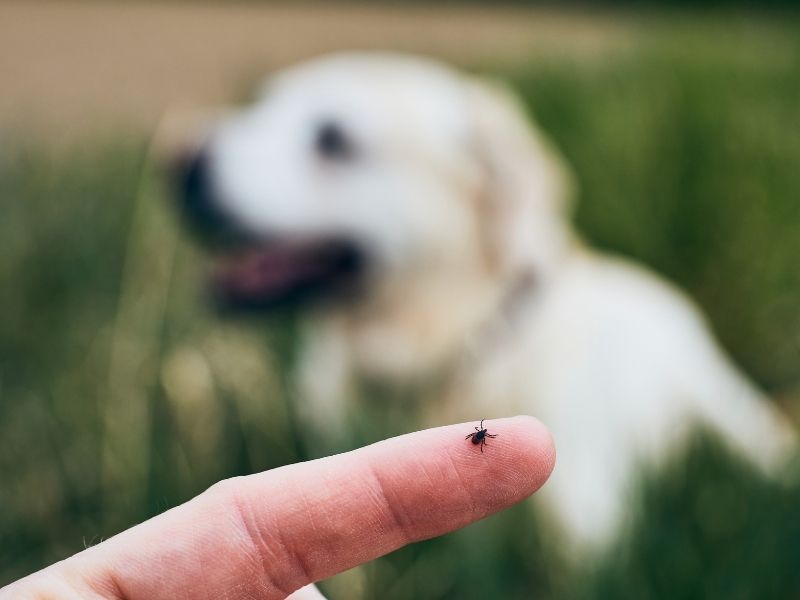
It also helps to know what you’re really dealing with where you live. “Tick bites are most common in the Northeast and Midwest, but local websites, such as county vector control or public health websites, can offer information for your specific region,” says Dr. Laura Petrovich, a board-certified pediatrician. If you’re in Rhode Island, like me, we have our local university to help with URI’s TickEncounter. It might be worth finding a website in your area to bookmark if you’re finding a lot of ticks this season.
“After spending time outdoors, especially in areas with tall grass or wooded areas, it’s important to check yourself and your children for ticks,” says Petrovich. “Ideally, have your kids take a bath and do a full body check for ticks.”
“After spending time outdoors, especially in areas with tall grass or wooded areas, it’s important to check yourself and your children for ticks.”

How to Check Your Kids for Ticks (By Age)
When it comes to tick prevention in kids, the good news is that a tick check takes about two minutes once you know what to look for and where. The bad news is that ticks are very good at picking the spots you’d never think to look. Bathtime can do double duty for tick prevention in kids. You’re already undressing them, you have good lighting, and you’re seeing every part of them.
Where Do Ticks Hide on the Body?
You can find a tick on any part of your body. But they usually are looking for warm, tucked-away places. The spots most commonly missed:
- Scalp and hairline
- Behind the ears
- Back of the neck
- Armpits
- Groin
- Behind the knees
- Between the toes
- Belly button
Babies
My daughter is 7 months old and has already had a tick on her. It was the size of a poppy seed. It sucked, and my husband got it off quickly, and that was that.
That poppy-seed size is worth knowing, by the way. That’s a nymph—a young tick, roughly the size of this period on your screen, and the stage of tick responsible for most Lyme cases, specifically because they’re hard to spot. They’re most active in June and July.
Honestly, babies are the easiest age to stay on top of. You’re already seeing all of their skin often. Add in tick checks to these routines:
- Diaper changes
- Bathtime
- While breastfeeding or giving a bottle
- Key spots: behind the ears, in the neck folds, the diaper area, behind the knees, the scalp

Toddlers
Keep the same thoroughness as above, but this is where you can start bringing them in on it.
When I taught in public school, kids would turn up with ticks on them from time to time. Our nurse had a line I still use: “Let’s be still and do a tick check.” She never made it a big deal, never scared them after pulling one off, and simply reminded them to get an adult if they had or felt a tick on them again. This stuck with me, so I’m doing the same thing with my 3-year-old now, making it a boring ol’ part of our nightly routine.
When it comes to toddlers and ticks:
- Comb through their hair and scalp, in or out of the tub
- Keep helping with key spots while they’re changing into pajamas or getting into/out of the tub or shower; they’re not doing this alone yet
- Start teaching them what a tick looks like. My son is still learning. Right now, he knows if there’s a bug on you and you don’t know what it is, come get us.
Older kids
Keep the nightly habit, and start handing over ownership of certain body areas, like arms, legs, stomach, while you stay on the scalp and the spots they can’t see. Dr. Petrovich notes that older kids who are checking themselves “can use a mirror to ensure they don’t miss any potential bites.”
The rule worth setting early: they can come get you for any concerns about their body. With ticks, they should definitely get you for anything attached.

What to Do If You Find a Tick
“If you find a tick, don’t panic! Stay calm and in control, and find a pair of fine-tipped tweezers if possible,” says Dr. Petrovich.
If it’s just crawling on the body and hasn’t bitten, get it off and get rid of it. Per the CDC, you can:
- Flush it
- Wrap it tightly in tape and throw it away
- Seal it in a Ziploc bag or container
If it’s attached, here’s the CDC’s method:
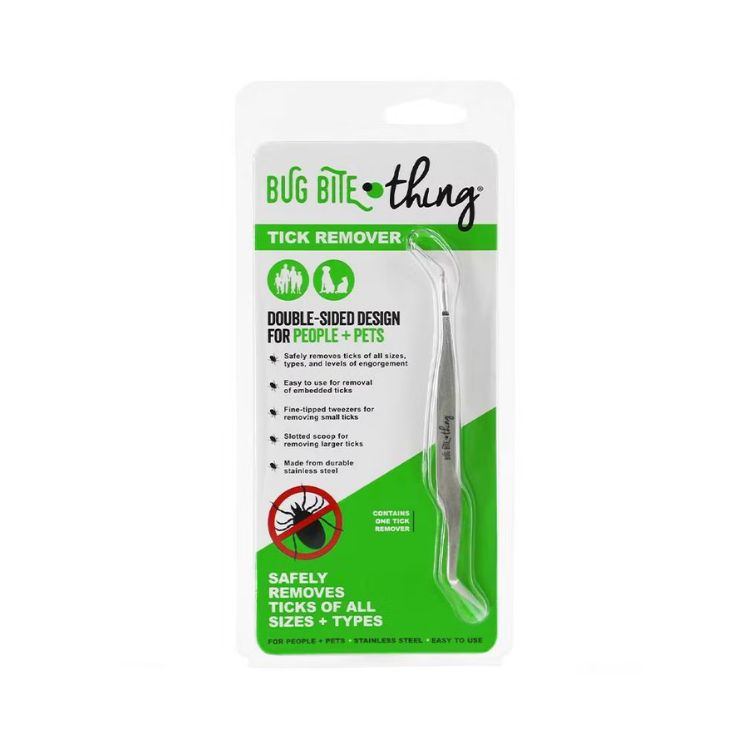
- Use clean, fine-tipped tweezers and pinch the tick as close to the skin’s surface as you can (usually the head)
- Pull straight up and away with steady, even pressure
- Don’t twist, jerk, or squeeze it
- Wash the bite area with soap and water afterward
And skip every folk remedy you’ve heard. Experts at Lurie Children’s Hospital and the CDC specifically say no petroleum jelly, no nail polish, no heat, no lit match. None of this makes a tick back out.
If the tick was attached, wash the area, note the date, and keep an eye on the spot.
Symptoms to Watch For After a Tick Bite
This is the frustrating part: there is no distinctive tick symptom. According to the CDC, symptoms to watch for after a bite can include a mix of:
- Fever or chills
- Headache
- Fatigue
- Muscle aches
- Sometimes a rash, sometimes not
So the thing to pay attention to isn’t any one symptom, but the timing and the context:
- Symptoms usually show up days to a couple of weeks after the bite, not right away—so the sick day and the tick may not feel connected at all.
- You may never have found a tick. Nymphs are poppy-seed-sized, and their bite doesn’t usually hurt
- A rash at or near a bite site is worth a call, but plenty of tickborne illness arrives without one.
For what it’s worth, the thing that finally got my attention wasn’t any single symptom. It was the pattern. I felt awful for a day or two (fever, chills, fatigue), then fine, and then weeks later my symptoms came back worse, with a rash across my whole back.
When to Call The Pediatrician
The experts at Lurie Children’s Hospital recommend calling your child’s pediatrician after a tick bite if:
- You think your child needs to be seen
- You tried and could not remove the tick
- The tick has been attached for more than 24 hours
- A fever or rash occurs in the next four weeks
- The bite starts to look infected
Beyond that, the thing to watch for isn’t a specific symptom so much as a summer bug that doesn’t quite add up. Fever and achiness a week or two after outdoor time, especially if your kid seems more wiped out than the illness, warrants a call to your care team. Symptoms can arrive days to weeks later.
And for the record, most of this ends up being nothing. As Dr. Petrovich puts it: many bites “don’t cause serious infection and can be treated with medication if needed.”
Simple Ways to Reduce Tick Exposure
- Stick to the middle of trails. Ticks live in tall grass, brush, and leaf piles.
- Dress in light colors so ticks are easier to spot.
- Use a kid-safe tick repellent. Ask your pediatrician for guidance on what’s right for your child’s age.
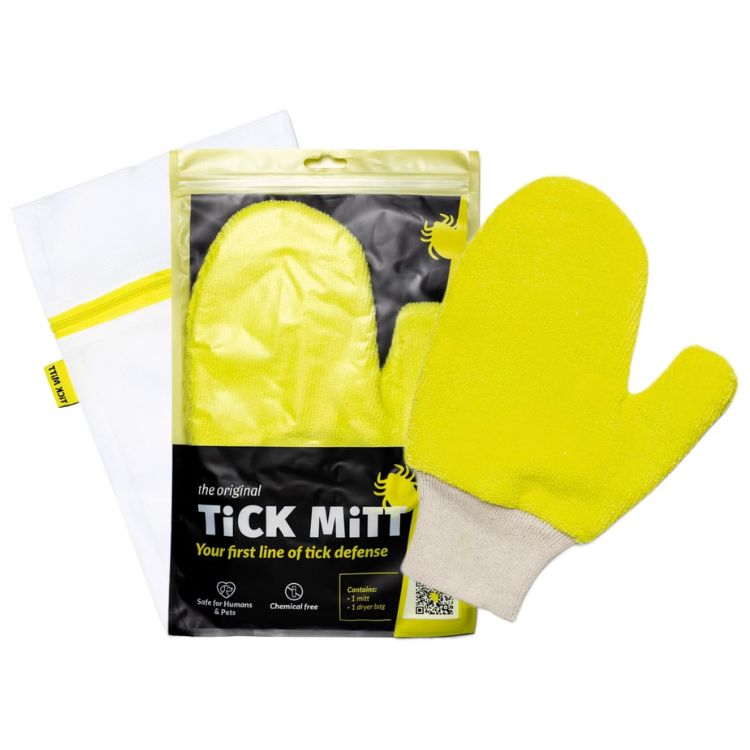
- Put clothes in the dryer on high heat for at least 10 minutes after hiking, biking, or playing in tall grass.
- Do a tick check every day during peak season.
Tick Prevention and Treatment Items for Kids
For Tick Prevention
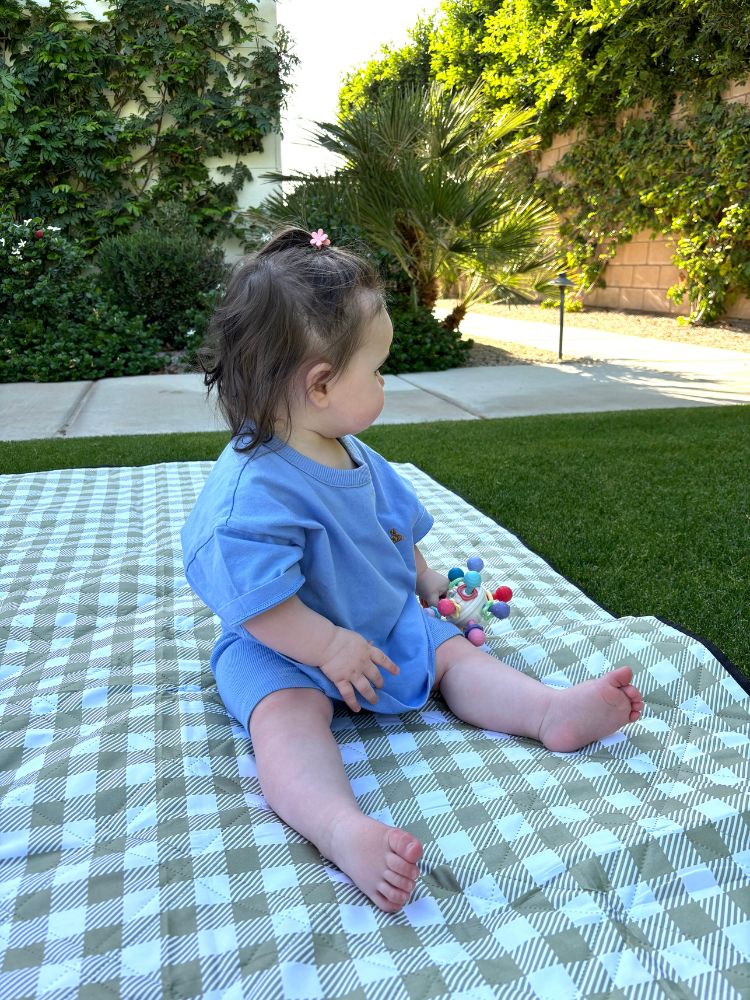
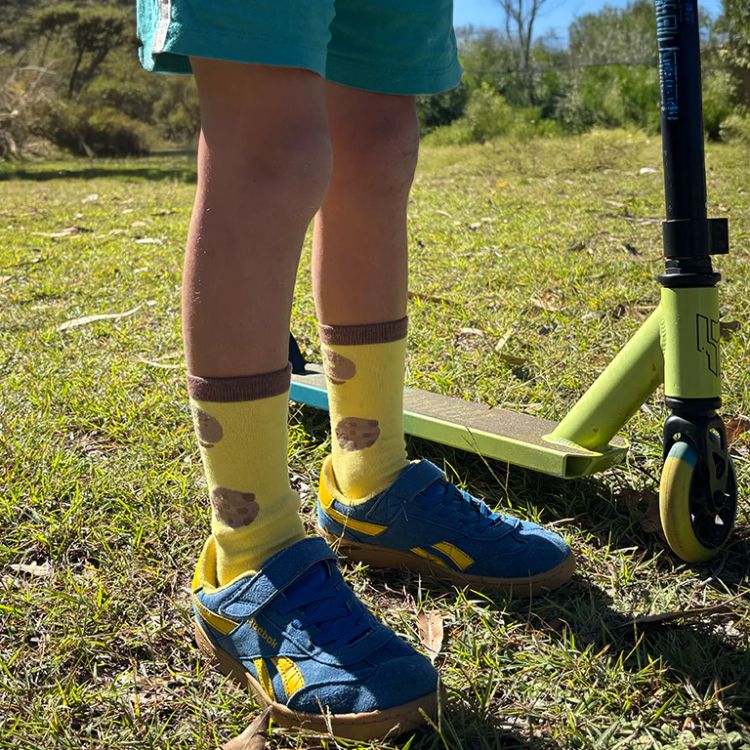
- Dress in light colors so ticks are easier to spot.
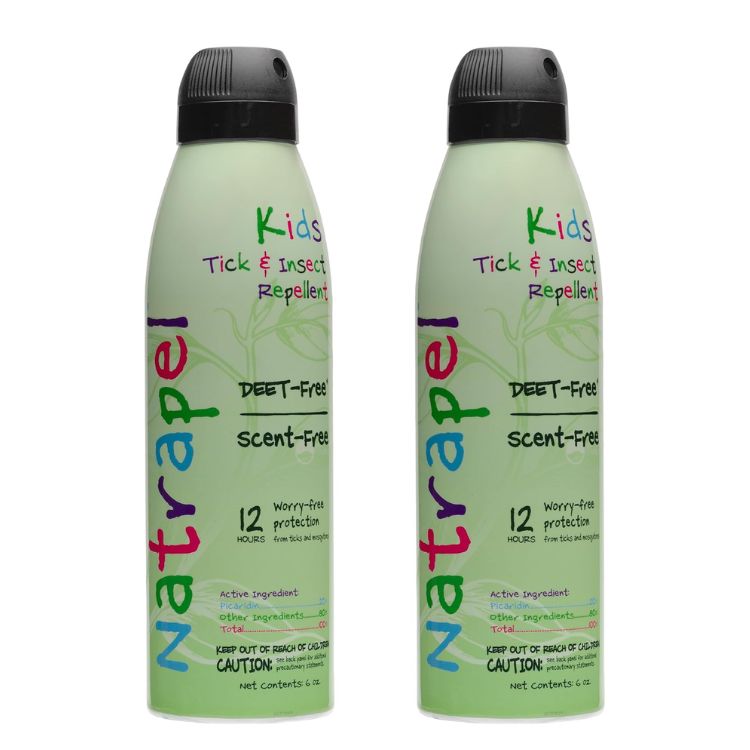
- Use tick repellent approved by your pediatrician. According to the Global Lyme Alliance, products with the active ingredients DEET, Picaridin, Oil of Lemon Eucalyptus (OLE)*, or Permethrin are most effective.
For Tick Removal
- Fine-tipped tweezers and more than one pair. Stash in your bathroom, car, diaper bag, etc.
- A zip-top bag or small jar for any ticks
- Rubbing alcohol for the bite area. Soap works, too.
- A fine-tooth comb for scalp checks
FAQs About Tick Prevention for Kids
Ticks can attach anywhere, but they like warm spots like the scalp, hairline, behind the ears, in armpits, belly buttons, behind knees, between fingers and toes, and groins.
The worst month for ticks depends on your area, but summertime is peak season for tick nymphs that are responsible for most tick-borne illnesses.
According to the CDC, an infected tick generally has to be attached for more than 24 hours to pass the bacteria along, which is why quick removal is the best illness prevention.
Tick repellent stickers have not been approved by the EPA. Research suggests DEET repellent is the most effective at tick prevention, and experts do not suggest using tick stickers as the primary method of tick prevention. Ask your pediatrician for the best tick repellent recommendations.

Danielle Bouchard, Contributing Writer
Danielle is a New England–based freelance writer and editor whose work focuses on motherhood, family, education, and lifestyle content. As a toddler mom with another baby on the way, she loves exploring the everyday moments that shape modern motherhood. When she’s not outside playing with her son, she’s most likely searching for her next great read or walking their very enthusiastic dog.
