



This fall, my daughter is entering her last year of elementary school. She is nearing the end of an era before the start of a big, new one that comes with a lot of change and much more independence. She’ll be moving between classrooms, memorizing a locker combo, encountering a lot of new faces as multiple elementary schools join together, and exploring her interests through extracurricular activities.
I want to make sure she is as prepared as possible for these shifts. The middle school years can come with a lot of awkwardness and insecurity. A couple decades later, I still vividly remember a few embarrassing moments. I plan to take this last year while she is in her comfortable, structured elementary school environment to teach her some valuable tools and lessons so she can start her middle school era as prepared and confident as possible.
How to advocate for herself, use her voice, and ask for help
I want her to be comfortable speaking up if something feels wrong. This is so hard to do, especially in the young, formative tween years, but it is such a benefit to have experiences with tough conversations before reaching adulthood. I also want to empower her to stand up for herself in a respectful way, whether it’s with a peer or even an adult in a position of authority.
Her voice and her opinions are so important. I want her to have the confidence to speak up about her ideas during discussions in classes and activities and about her views, perspectives, and interests when interacting with friends. It’s OK to not like the cool new band, show, or game that everyone seems to love or to be into a sport or activity that’s not very popular.
I also want to ensure she knows to use her voice to ask for help when needed instead of silently struggling with a school or friendship issue that someone could help her through.
How to manage friendships and be a good friend
Friendships start to get trickier once middle school hits. In elementary school, making a friend can be as easy as ending up on the swings at the same time. Friendship becomes more nuanced than just liking the same things and being in the same place as someone else. I want her to know a true friend is one that lifts her up and cheers her on. All friendships will have their tougher moments, but I want her to know that relationships rooted in drama and betrayal are not worth her time.
“I want her to know that relationships rooted in drama and betrayal are not worth her time.”
Not only do I want her to learn how to allow the right friendships into her life, but I also want her to learn how to be a good and supportive friend in return—one who speaks highly of others, honors her commitments, and shows up. I also want to reinforce that kindness goes a long way. For example, including the quiet student could result in a new, surprising friendship.
How to handle peer pressure and set boundaries
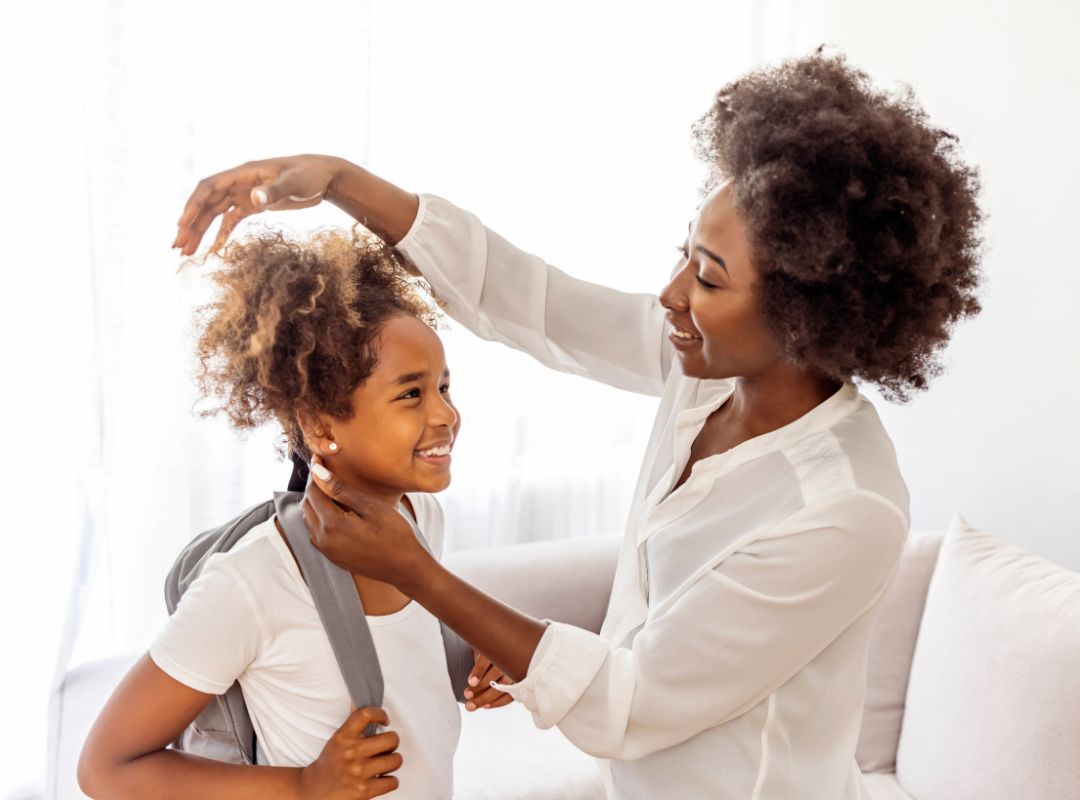
Middle school is when feeling peer-pressured really escalates. I want to teach my daughter a few go-to phrases for her to use in situations that she wants to get out of that feel natural to her, such as a humor-based deflection. I’ll also let her know she can always use me as a scapegoat to get out of something and say, “I texted my mom, and she said no.” Setting boundaries about what she is and is not comfortable with early on is essential in maintaining healthy friendships.
“She can always use me as a scapegoat to get out of something and say, ‘I texted my mom, and she said no.’”
In addition to teaching her about resisting peer pressure, it’s also important to me that I teach her to not be the one pressuring. If someone says no or seems uncomfortable, it’s time to move on from the idea instead of continuing to push.
How to stay organized and manage time
So far, my daughter hasn’t been assigned much homework in elementary school. I know once she hits middle school that will change, and I want to make sure she has the tools to succeed on balancing multiple assignments and longer-term projects.
I want to provide her specific initial guidance on how to stay organized. Once she learns some objective tactics, like using a planner, she can experiment to see what works best for her. We will initially go through filling out a planner with assignment due dates, test and quiz dates, and days/times for activities and appointments. I’ll talk about some other ways to keep the information organized, such as using checklists and color-coding. We will also go through her school backpack together for the first few weeks to clear out and organize papers on a regular basis.
Learning how to complete assignments on time with minimal stress also has a bit of a learning curve. We will talk about creating a consistent after-school routine and learning how to estimate how long homework assignments will take. For example, an essay is going to take longer than a worksheet, so more time in the evening may sometimes need to be factored in.
How to use her devices responsibly
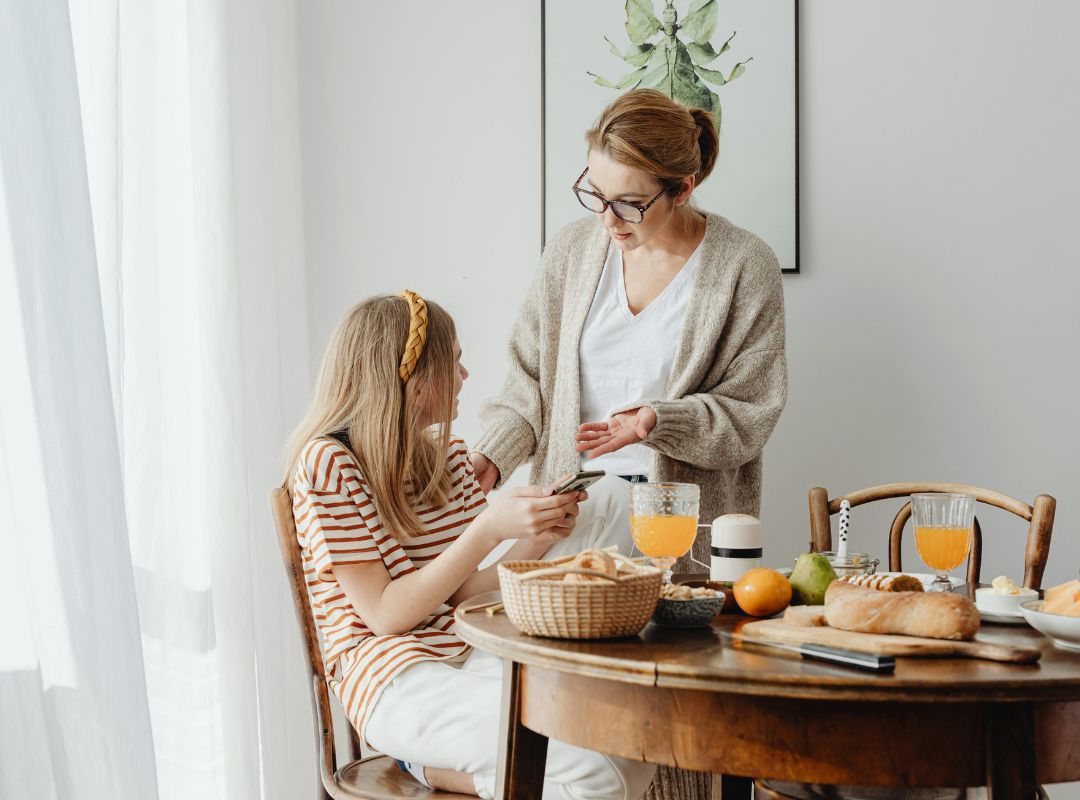
Learning about responsible cellphone and safe social media use for a pre-teen is totally new terrain for me because these things didn’t exist yet when I was that age. My daughter has a phone so she can get in contact with us when needed but has parental controls for screen time and downloading apps and isn’t able to search the Internet freely.
She doesn’t have any social media accounts yet but has already asked about setting them up for Snapchat and Instagram since “other people already have them,” but I’ve said no. I’m sure once she’s in the halls of a middle school these requests will get more frequent, but I plan on continuing to say no to requests to be on social media until she’s 16, as recommended in The Anxious Generation book. I want to give her some freedom while protecting her confidence and mental health.
Since she already has a phone, I do want to be sure to hit lessons on digital responsibility hard because the stakes can be so high between cyberbullies, predators, and scams. We’ll be sure to go over staying kind in group texts, keeping contact to known individuals, and escalating anything concerning to an adult. And reinforcing the fact that anything she sends in a message (pics or text) can live forever—and be forwarded to others.
How to take care of her body
Beginning puberty is eternally awkward, so I want to provide as much support and guidance as possible to minimize how brutal it can be. I know she’ll probably call me “cringe” for pointing this out, but I plan to talk about:
- Showering daily/after sweaty activities
- Applying deodorant
- Washing her face well and managing possible acne or other tween skincare woes
- Handling menstruation and how to use pads, tampons, period cups, and menstrual underwear
Preparing for menstruation is obviously a big topic for middle school girls, and I don’t want her to feel nervous about what is going to happen, so we will put period supplies in her backpack.
How to build her confidence
Middle school can feel like a popularity contest much more than elementary school. From my experience, this is when kids start to notice what might make them different, and self-consciousness can escalate. I want my daughter to know that she should feel good about what makes her unique, such as her sense of style or hobbies—and to feel confident about these qualities. We should celebrate and lift each other up, and I want her to be known as one that cheers on others.
According to the strength-based parenting philosophy, kids can build confidence by doing something they enjoy and are naturally good at. I will help her explore her interests to find clubs, sports, and activities she loves. Once she’s found something she’s passionate about, I want to teach her tools for resilience, discipline, and accountability, such as honoring her commitment to continually show up and making time for practice.
How to handle disappointment and mistakes
Our middle school is fairly large and has a long list of extracurricular options. For me, these years were the first time I had to “try out” to be a part of things, and it may be the same for her. Learning how to handle the disappointment of a tryout not going well is important because I don’t want her to get discouraged about future opportunities. I want her to know achieving perfection isn’t the goal—what matters is bouncing back and moving forward.
“I want her to know achieving perfection isn’t the goal—what matters is bouncing back and moving forward.”
Classes will get more advanced as well, and with that comes more opportunities for mistakes. However, I want her to know that mistakes are an important part of learning because it informs what she needs to do to improve for the next opportunity. I want to teach her not to focus on the bad grade if it happens, but on what she can learn from the feedback to get a better one next time. Does she need to make more time to study or change the tools she is using to study? Does she need extra support in the subject from a tutor?
Preparing myself for the middle school transition
Not only is middle school a milestone for my daughter, it’s a milestone for me as well. This is the first time I’ll have one of my children roaming the halls of a junior high and the first time I’ll have the responsibility of teaching them how to handle increased independence. These are important, lifelong skills that translate to success in adulthood.
Middle school will still have its tough moments for both of us, even if we’re well prepared. I want her to know that no matter how tough things get, I am always on her side and can lend a helping hand, hug, or listening ear.
I also want to give myself grace as I navigate these tougher conversations with a burgeoning adult for the first time. Pre-teens and their moms will sometimes disagree, and that’s OK because I know I am making decisions in her best interest.

Brigette Marshall, Contributing Writer
Brigette is a mom of two little girls and works full-time in project management, both at home and in the office. She loves book clubbing, antique shopping, watching documentaries, and convincing her husband to cook gourmet meals for her.
