


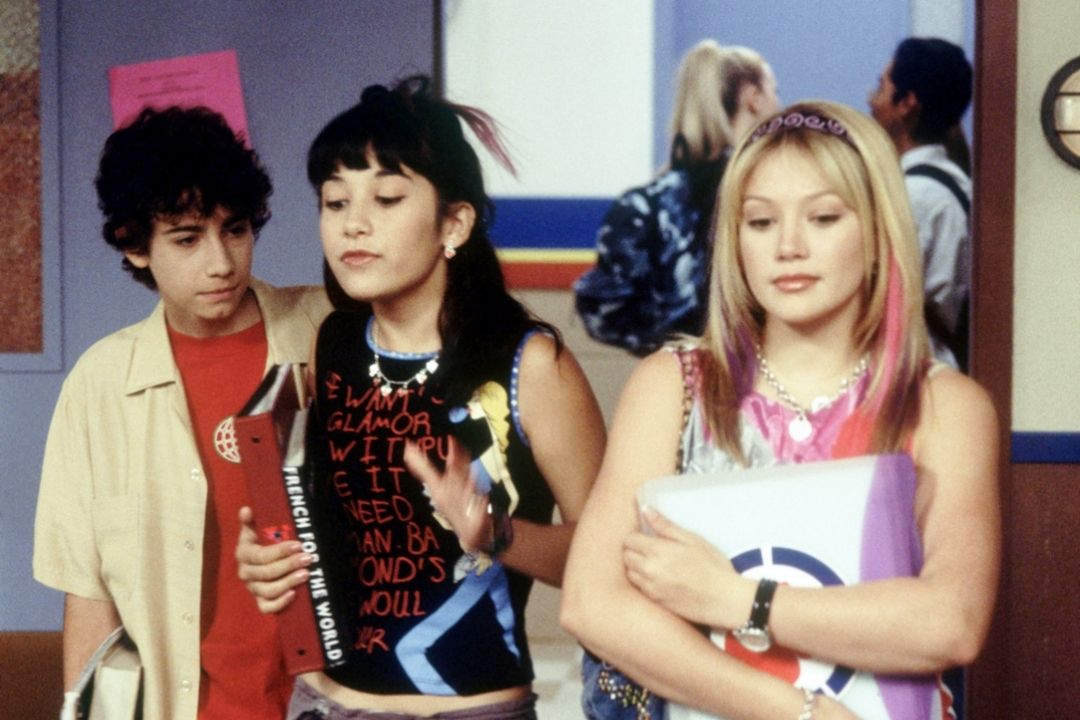
When I was 14, I called two boys on my landline phone to ask them to go to a dance with me—they both said “no.” I had braces, blackheads, and a poor attempt at ‘The Rachel’ haircut from Friends, so I don’t blame them now. The rejections were a formative, awkward tween experience I recently recalled to my two daughters, ages 10 and 13. “We don’t even have dances,” lamented my middle school tween, “I wish we did.”
Every day, I’m reminded that my Gen Alpha tweens are living in a different world from the one I grew up in. But, one thing I’ve noticed in my 13-year-old lately? She seems upset about how technology has affected her childhood and friendships. She’s come home from school frustrated that her friends only want to talk about Roblox instead of actual experiences. Both my tweens appear almost wistful for the analog life I grew up with. Turns out there’s a word to describe this feeling of nostalgia for something you’ve never experienced: anemoia.
Could today’s tweens actually want the opportunity for awkward school dance moments? Or do those moments exist now only in our memory, as Rose said in Titanic? What do kids lose when they seem to skip the transition between kid and full-blown teenager? Here’s a peek into what tween life looks like today.
You May Also Like:
- The Best Gifts for Hard-To-Please Tweens
- I’m Parenting Like It’s the Early 2000s—Here’s How
- I’m a Millennial Mom—and I Want My Girls to Experience a ‘Now & Then’ Summer
Where did the tween stage go?
Economist and author of the acclaimed book, The Anxious Generation, Jonathan Haidt, would likely propose that we started to lose tween culture during the shift from a “play-based childhood” to a “phone-based childhood.” As an elder millennial, I witnessed the shift firsthand. For example, I watched girls a few years younger than me ask boys to dances over AIM—a much softer blow if it was a “no” than my landline experience.
With the rapid evolution from AIM to cellphones to smartphones, kids in their tween years are having more and more of these formative experiences online than in real life. Not to mention the exposure to (and unethical targeting of) online content not meant for kids their age.
“Increasingly, the borders of childhood and adulthood have swollen to meet at the edges—these key transitory years swallowed up,“ wrote Cassandra Dimitroff in a RUSSH article aptly titled, “Tween Culture is Dead.” “The modern tween is performing adulthood before they’ve had the chance to rehearse it—their interests algorithmically curated, their idols are marketing experts, their innocence turned aesthetic,” she wrote.
However, a new report from YPulse counters what the company called the “panic narrative” (that screens have replaced everything else) doesn’t hold up when looking at their data, collected from a representative sample of Gen Alpha tweens (ages 8-12) across the U.S. and Canada. Tweens may have their own devices and be on at least one social media platform, but they still play outside, love board games, and have hobbies. Plus, the majority (93 percent) watch TV, movies, and videos with their family.
Signs of declining tween culture
Fewer tween-focused media and brands
TGIF sitcoms, Nickelodeon, and the Disney Channel were TV staples growing up. Now, the tween media includes “brain rot” and online tween influencers. So much of the storytelling has been replaced by quick attention grabs, and shows for the tween audience don’t seem to last.
For example, Netflix cancelled one of my daughters’ favorite shows, The Baby-Sitters Club, after two seasons. It was one of the few shows we equally enjoyed, sparking conversations about relationships, puberty, and growing up. One Vulture article hit on the feeling, “the end of The Baby-Sitters Club is disappointing because so few series fill its specific niche: stories about pre-teen girls that don’t over-sexualize or infantilize them.” The show’s creator, Rachel Shukert, put it more bluntly in the article, ”It seems like girls are expected to go straight from Doc McStuffins to Euphoria.”
“It seems like girls are expected to go straight from Doc McStuffins to Euphoria.”
Beyond the lack of tween shows, online media replaced magazines, and online shopping replaced mall visits. My personal tween-favorite publications, American Girl Magazine and YM, ceased publishing in 2019 and 2004, respectively. Teen Vogue left newsstands more recently, in 2025. Tween fashion brands like millennial favorite dELiA*s closed in 2014, Limited Too became the Zillennial favorite Justice in 2008, a brand that later shuttered stores in 2021. Claire’s declared bankruptcy in 2025.
So few fashion stores still cater to tweens/teens, save for maybe select Athleta Girl and Abercrombie Kids locations. As a result, tweens wear grown-up styles from stores like Aeropostale, American Eagle, and PacSun—which, tbh, we are in my family, too. Meanwhile, YouTube influencer hauls stoke overconsumption way outside of their tween budgets ($89 Pink Palm Puff sweatshirts and $40 Sephora products, anyone?) Tweens today still love to shop, but, as they’d say, the mall isn’t it anymore. According to the YPulse data, every shopping decision “starts in a feed,” which tweens share with their parents to purchase (this data point is certainly true in my household).
“Every shopping decision starts in a feed, which tweens share with their parents to purchase.”
The awkward stage doesn’t look awkward anymore
Tweens today also drink more water, seem to have fewer skincare problems, and don’t get to high school with braces—key hallmarks of the tween awkward stage. And even if they get a zit, they’re proud to cover it with a star-shaped sticker. These would appear to be positive changes. At the same time, however, 10-year-olds have multi-step skincare routines. And low self-esteem in tween/teen girls is considered a current mental health crisis.
“Tweens today also drink more water, seem to have fewer skincare problems, and don’t get to high school with braces—key hallmarks of the tween awkward stage.”
The proliferation of front-facing phones and the fear of being filmed doing something embarrassing has led to them self-policing how they look and behave. They don’t get to experience the carefree fun of our tween years. They’re watching other people doing cool/funny/embarrassing things online, instead of doing it themselves.
Case in point, my daughter’s middle school hosts “parties” instead of traditional school dances. It sounds like the school is creating a lower-pressure situation for the kids in theory. But I imagine no one works up the guts to ask a crush to slow dance (there’s no slow dance music nowadays!). They’re not getting the opportunity to practice moments that initially feel uncomfortable and awkward—and to learn they can survive them.
It turns out, this “fear of cringe” is a real thing that’s affecting their older Gen Z siblings into adulthood. Failure feels too hard to process, too humiliating, and has the potential to be too public. A healthy fear of embarrassment is normal. “What’s not normal,” psychologist Erica Rozmid shared in an article on YahooLife, “is the constant misery of trying to sidestep embarrassment altogether.”
“Fear of cringe is a real thing that’s affecting their older Gen Z siblings into adulthood.”
Add to it the concerning rise of AI relationships, where having a digital girlfriend or boyfriend feels way easier than putting themselves out there with another actual human being.

Fewer opportunities to practice life skills needed for their next step
In addition to interpersonal skills, tweens need to learn some practical life skills. They’re not the Gen X and millennial latchkey kids forced to learn how to make Pizza Rolls after school or navigate their way home from the library. Instead, tweens are living with packed schedules, shuttled from school to extracurriculars. According to the YPulse data, they feel the stress of overscheduling more than their parents realize. “Millennial parents have their kids in activities from a young age,” stated the report. And the majority of tweens say they wish they had more free time for unstructured play and time with friends—not just more time on screens.
Yet even if they had more time for play or responsibilities, times have changed. Parents hire babysitters with college credits, so a 12-year-old without a driver’s license is also losing out on the initial work experience many of us had.
They can stream whatever show or movie they’re in the mood to watch (without commercials!). AI gives them answers to anything at their fingertips. They don’t have time to be bored or have the patience to persevere when things get challenging. Without some practice when they’re younger, and the stakes are lower, are they going to be equipped for the pressures of high school and beyond?
What is the same about today’s American tween life?
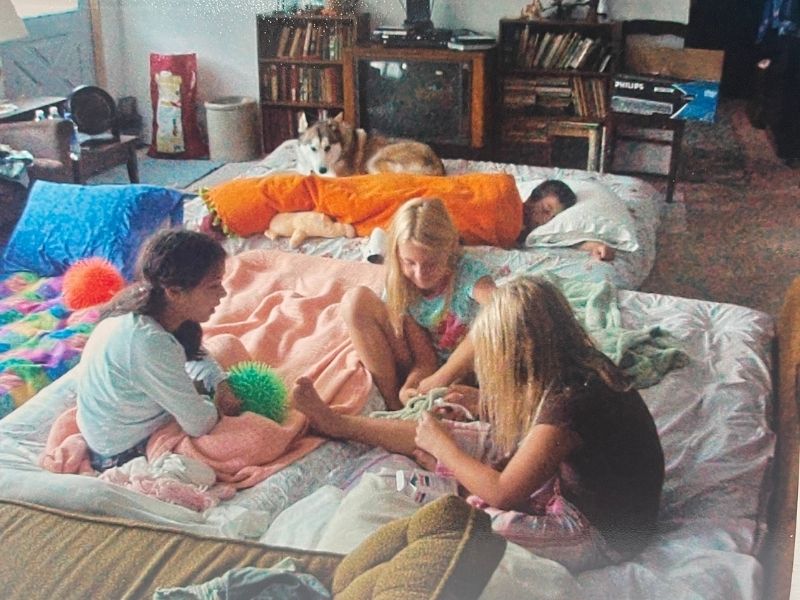
Tweens today may look older and more polished on the outside, but they’re still kids on the inside. They love stuffed animals (see: Jellycats and Squishmallows), and 92 percent play with toys, with board games being the most popular, according to the YPulse data. They still learn secret handshakes and dance routines on the playground or at sleepovers, even if they’re finding them on YouTube and TikTok first. Tweens still collect cute/ugly little things; instead of Trolls and Beanie Babies, it’s Labubus, Dumplings, and Nee Doh. Pokémon cards are still popular, too.
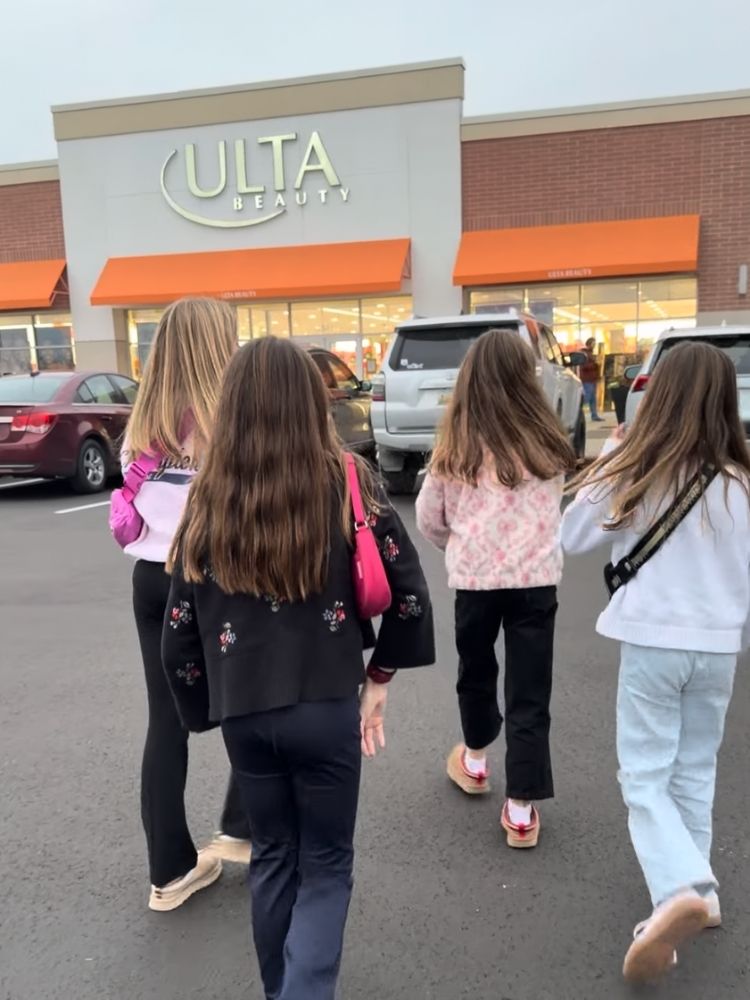
Many of the tween girlies still love to sample beauty products, but they’re doing it at Sephora and Ulta instead of Bath & Body Works. They have celebrity and schoolyard crushes, play M.A.S.H., and fold paper fortune tellers. They make friendship bracelets and love to yap with their besties. And they still feel left out—even if it’s now due to the tween group chat.
Nearly every tween is a gamer, but instead of SEGA, Super Nintendo, and Game Boy, it’s Roblox, Nintendo Switch, and PS2. According to data from YPulse, 99 percent of tweens (ages 8-12) play video or mobile games, or both. Video games “aren’t just entertainment, they’re where friendships happen and virtual worlds function as genuine social spaces.”
Can the magic of tween life return?
I’m an optimist, and I say, cautiously, yes, the awkward magic of the tween life can return. I’m seeing it as my Gen Alpha kids are living through it right now.
Nostalgia for the ’90s and early 2000s is at an all-time high. Tech companies are finally being held accountable for the harm done by their platforms. The Tin Can corded phone for kids was backordered at Christmas, and talked about in all my mom group texts. The Anxious Generation gave parents a blueprint for delaying the adoption of smartphones and social media among tweens. Schools have banned smartphones, smartwatches… and maybe, soon, Chromebooks too?
My 13-year-old leaves her Apple Watch charging on purpose so she can go “be a kid” with the neighbors without the constant buzzing of notifications. My 10-year-old is watching reruns of Jessie, Hannah Montana, and Lizzie McGuire instead of YouTube vlogs. Maybe the tween life is already making a comeback.
Final thoughts from a mom of tweens
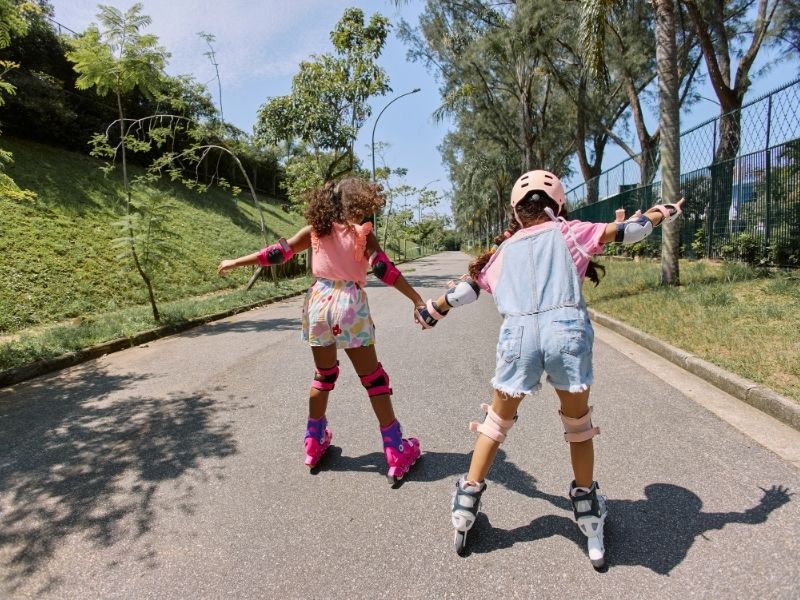
I hope that my kids will feel freer to embrace the awkwardness of their tween years than their Gen Z counterparts did. I hope they have memories of neighborhood bike rides, basement dance routines, and maybe even prank calling their crush (if their crush has a Tin Can, too). Like everything else in life, the tween years are fleeting. Growing up comes way too quickly. I want them to enjoy this special in-between time—even if they can’t shop at Limited Too.

Kathy Sisson, Senior Editor
Kathy Sisson has been a key contributor in the editorial parenting space for eight years, not only as a full-time editor at The Everymom but previously as a freelance writer for top parenting sites, including Scary Mommy, Motherly, Parent Co., and more. As an editor at The Everymom, she has produced hundreds of articles on a range of parenting topics, reviewed dozens of family-focused products, interviewed leading experts in the children and parenting world, and created viral parenting social media content. A mom of two, she is committed to sharing the honest, helpful, and often humorous stories of motherhood.
