


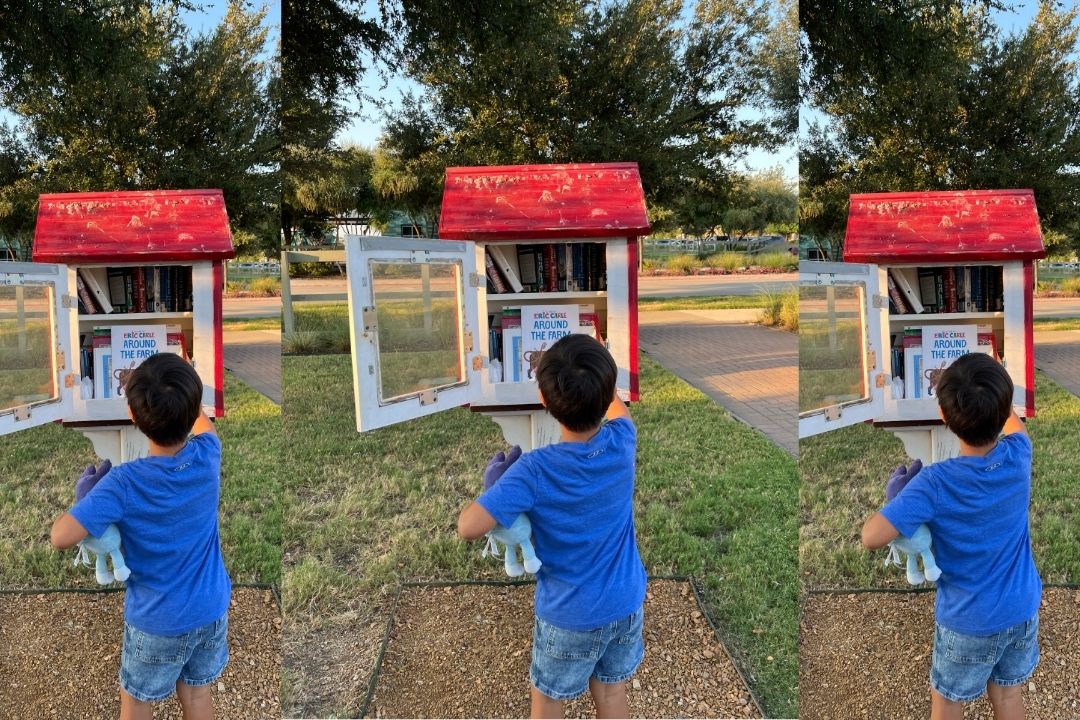
My 8-year-old isn’t ready for the “big leagues” of long kids’ chapter books, but she’s moving out of early readers. So, what’s a mom to do? As both her personal librarian and a recent author of my own middle-grade book, I’ve spent a lot of time thinking about this tricky in-between stage when kids aren’t quite ready—or willing—to tackle a 250-page novel. Still, goodness forbid you hand them a book they deem “babyish.”
I reached out to literacy expert Kathryn Starke and middle-grade book expert Afoma Umesi of Reading Middle Grade, as well as Kate DiCamillo (yes, *the* author of Because of Winn-Dixie, The Tale of Despereaux, and more!) and Abby Hanlon, author of the fabulous Dory Fantasmagory series, to help us navigate the leap. They shared what makes a good chapter book, how to know when your child is ready for one, and a few favorites at every stage.
Below, you’ll find our best chapter books for kids organized primarily by age and genre, plus expert advice for finding the right fit for your reader. After all, readers are like snowflakes—no two are exactly alike.
You May Also Like:
- My Kids Are Obsessed With Audiobooks: Here Are 31 of the Best by Age
- ‘The Baby-Sitters Club’ Turns 40: How to Introduce the Iconic Series to Your Kids
- 47 Books to Read With Kids Before You Watch Their On-Screen Adaptations
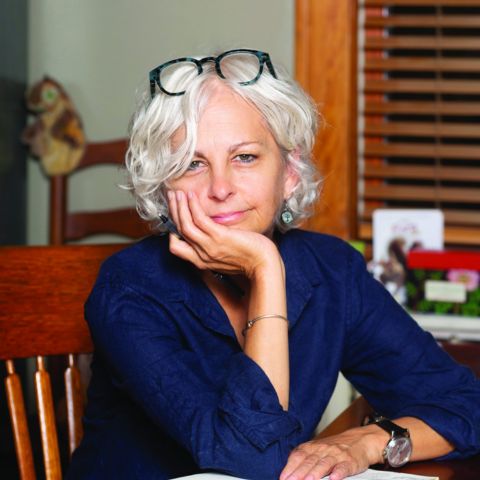
Kate DiCamillo, #1 New York Times Bestselling Author
Kate DiCamillo is a New York Times bestselling author most well-known for her debut novel, Because of Winn-Dixie—as well as her countless other picture books, chapter books, and novels.
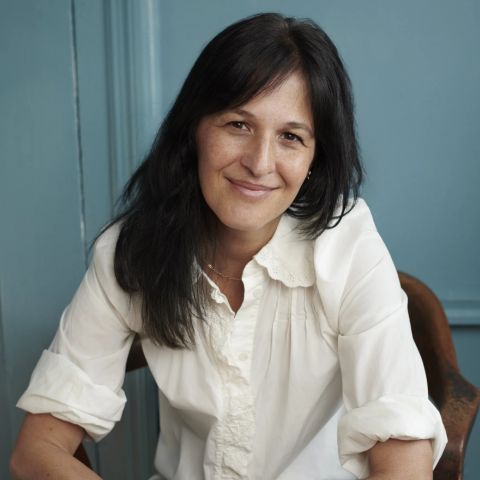
Abby Hanlon, Bestselling Author and Illustrator
Abby Hanlon is the author and illustrator of Dory Fantasmagory, a series of bestselling chapter books for kids that have sold over 2 million copies. The series has won numerous awards, including the Golden Kite Honor for Fiction.

Kathryn Starke, International Literacy Consultant and Reading Specialist
Kathryn Starke is a reading specialist, author, keynote speaker, adjunct professor, and the founder of Creative Minds Publications. She is the author of six books, including Amy’s Travels, which is used in schools in over 20 countries.
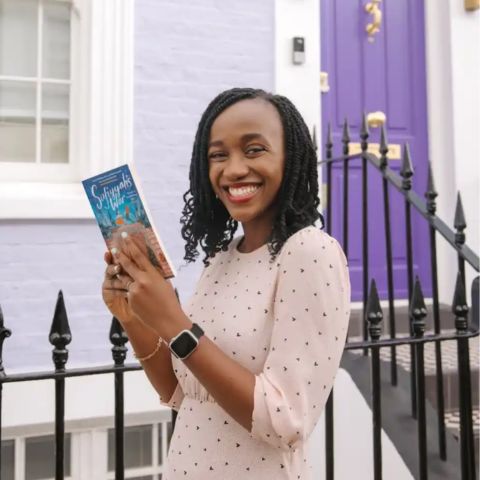
Afoma Umesi, Founder and Editor of Reading Middle Grade
Afoma is the founder of Reading Middle Grade, where she writes book reviews for kids of all ages, especially ages 8 to 14. She’s passionate about helping all kids—even reluctant readers—find a book they love.
How to Choose a Chapter Book for Your Child
Because, as DiCamillo told me, what kids need during this in-between stage is pretty simple: engaging characters, engaging storylines, and books that make them feel confident.
Books are like shoes, not one-size-fits-all. Reading ability, interests, and attention spans influence whether or not your child decides they want to read a book. It can feel frustratingly unpredictable as a parent when your child falls in love with one book while completely ignoring another. Here are a few things our experts said to keep in mind as you’re picking books.
Consider Their Age
Age recommendations are a starting point, but as with all things developmental, kids don’t arrive on a tidy, pre-fixed schedule. Starke says second grade is often when children begin leaping, but some are ready in first grade while others aren’t until third grade or beyond. As a mom, I’ve found this to be very true, especially when factors like dyslexia can make a child’s reading journey look different from their peers.
Thus, the whole “age” thing is just a helpful guideline, not a hard-and-fast rule.
Consider Their Reading Level
Being able to read words on a page, called decoding, is very different than actually understanding a story. The recipe for whether a book is a fit, as Starke puts it, is simple: consider their ability to ‘decode’ a phrase or word, their comprehension, their stamina, and their interest.
One easy check? Ask your child to tell you about what they’re reading.
Also, don’t get too hung up on Lexile scores, which measure a student’s reading ability, or other measuring sticks. Sometimes, a child’s interest and engagement are the true indicators of what they’re capable of.
Consider Their Interests
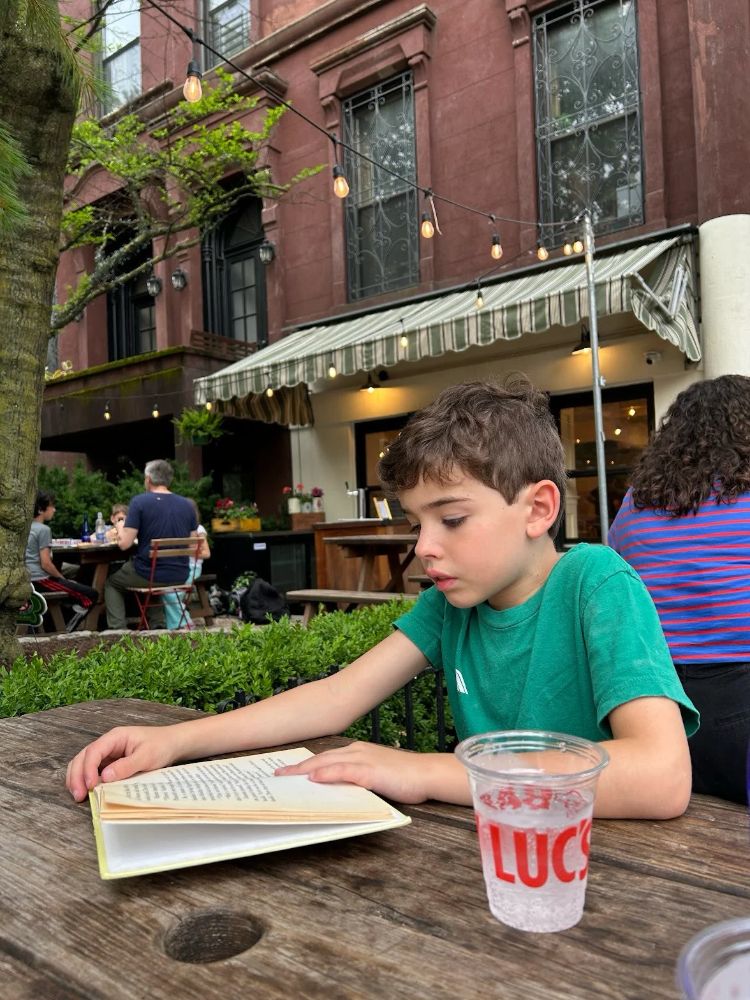
Starting with your kids’ interests is the best way to boost their reading. “I don’t believe in prescriptive reading lists,” Umesi says. The right next book depends on what they actually want to read. Sometimes, Umesi says, a so-called “reluctant reader” just hasn’t found the right book yet. A trip to the library or bookstore can work wonders.
Consider Whether They’ll Read Independently
There’s also no stone-written rule that kids need to read a chapter book entirely on their own. Try taking turns reading paragraphs or pages, or let your kid narrate their favorite character while you do the rest. Or, as Hanlon suggests, let beginning readers handle the speech bubbles in highly illustrated books while parents read the surrounding text.
Also, why stop reading to your kids as they age? I still read nightly to my 13-year-old. It’s our bonding time. We choose a book we’re interested in, and it often opens up deep conversations.
“Try taking turns reading paragraphs or pages, or let your kid narrate their favorite character while you do the rest.”
Don’t Be Afraid to Read Below or Above Grade Level
My oldest son loved humorous comic books in elementary school, so he gravitated toward books like Dog Man and Calvin and Hobbes (the best books for kids who love comics!) Rest assured, he grew up to be fully capable of reading longer books, too, like the Percy Jackson and Harry Potter series.
“Follow the reader. Don’t make the reader follow you,” DiCamillo says. “They will move on when they are ready to move on … Reading is a journey of the mind and the heart and not a race to a certain reading level.”
Never underestimate the power of rereading either. Both Hanlon and Umesi say there’s real merit in kids returning to beloved books. Hanlon says she’s heard from families whose children have read Dory Fantasmagory five, 10, or even “a thousand” times. With each reread, kids can pick up story details they may have missed the first time.
These are the Best Books for Kids
As a mother, I’ve learned that the best chapter books are the ones my kid actually wants to read. I also want my children to choose books within their ability or just above it, without becoming too overwhelmed or encountering subject matter that isn’t age-appropriate.
The next time you’re looking for your kid’s next great read, I hope you’ll keep DiCamillo’s wise advice in your pocket: “Every reader is on a journey. Let them explore as they want to. Don’t dictate what they should be reading next. Celebrate the fact that they are reading.”
“Every reader is on a journey. Let them explore as they want to. Don’t dictate what they should be reading next. Celebrate the fact that they are reading.”
Best Chapter Books for 5- and 6-Year-Olds
When it comes to chapter books for 5- and 6-year-old kids, the shorter, the merrier. Chapter books are for children ready to move past picture books and early readers. At this stage, they tend to have brief chapters, pictures sprinkled throughout, familiar vocabulary with a few more complex words, and a bit of white space. Those illustrations are especially helpful. Hanlon calls them “life rafts to get through the lines of text.”
Don’t worry if your child isn’t ready to read a chapter book independently. Starke says some kids are ready to make the transition as early as first grade, while others aren’t ready until third grade. Parents can read aloud, take turns reading with their child, or read together. The goal at this stage is to build the skills, stamina, and confidence to get there eventually.
Top Picks for 5-and 6-Year-Olds
Ages 5–8 | Realistic fiction | Early chapter book
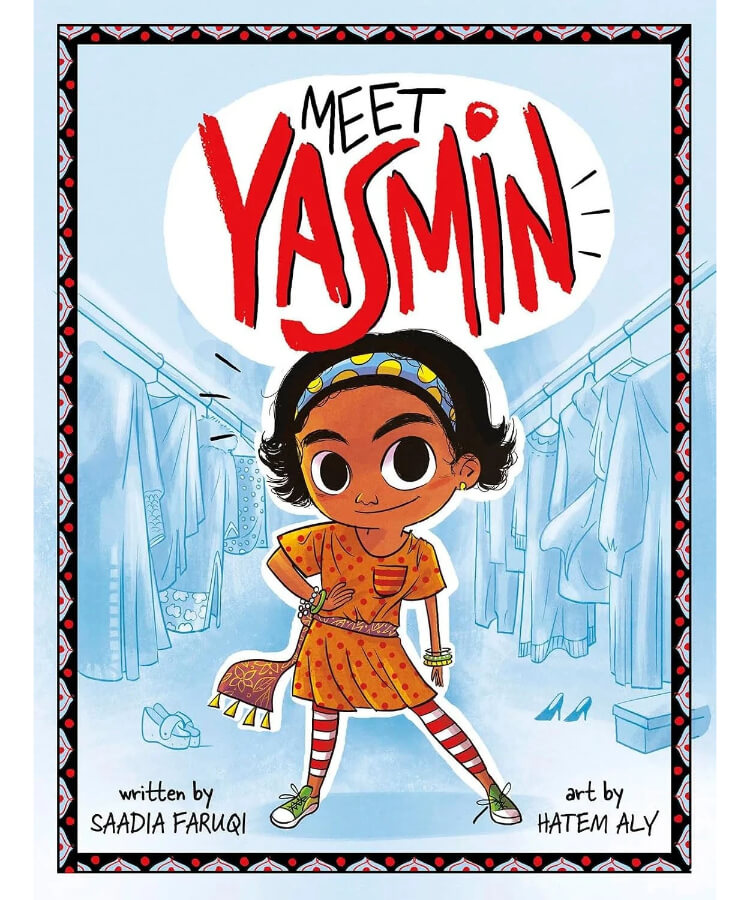
Yasmin, a spirited second grader, uses creativity and a little help from her Pakistani American family to solve everyday problems. Colorful illustrations, short chapters, and an approachable amount of text make this one a win-win—both Hanlon and Umesi like this series, with Hanlon specifically calling it a solid entry-level choice.
Ages 5–8 | Humor/ animal fiction | Early chapter book series
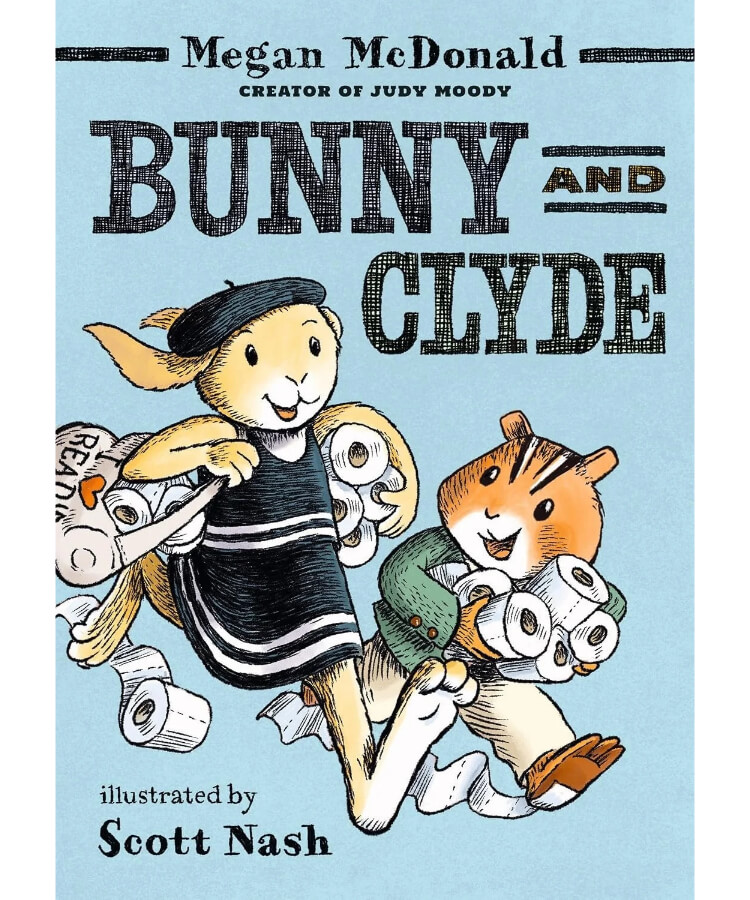
Bunny and Clyde are two would-be bad guys, but their attempts at mischief never go according to plan. This is a funny option for kids who want a “big kid book” without feeling daunted, thanks to manageable chapters and, yes, the illustrations. Hanlon says this one works well in this transitional stage.
Ages 5–8 | Family/realistic fiction | Early chapter book series
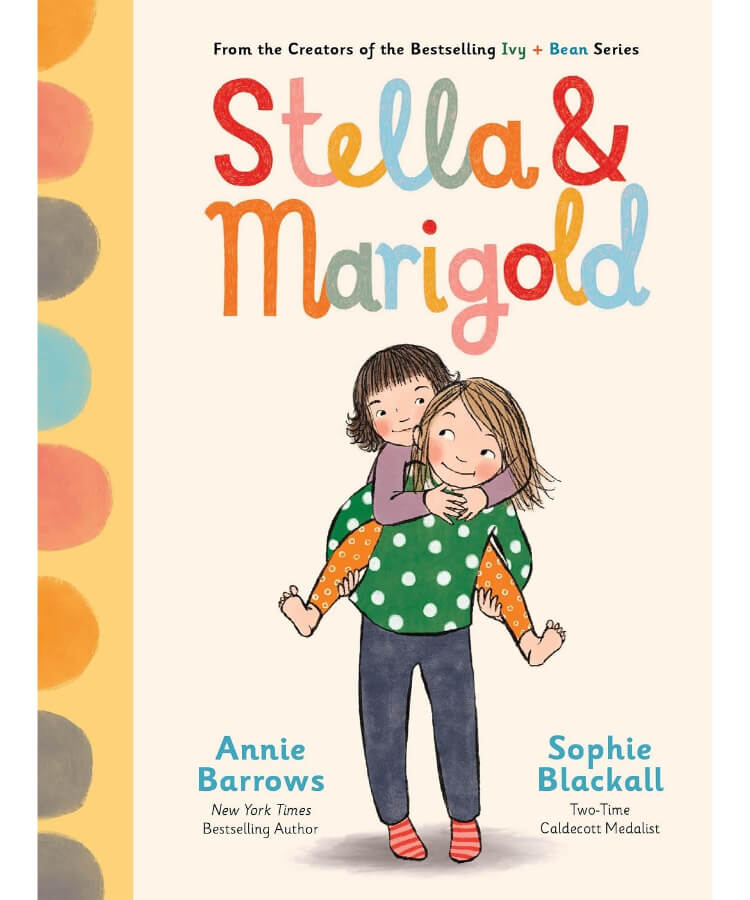
Sisters Stella and Marigold will entertain you thoroughly with their everyday, relatable shenanigans. This laugh-out-loud series is all about family life and imagination, with illustrations from the legendary Sophie Blackall and episodic storytelling that allows readers plenty to enjoy without being text-heavy. Hanlon calls it “beautiful and charming.” I call it the perfect book for an impromptu backyard tea party, like the one my daughter and I had when we first fell in love with it.
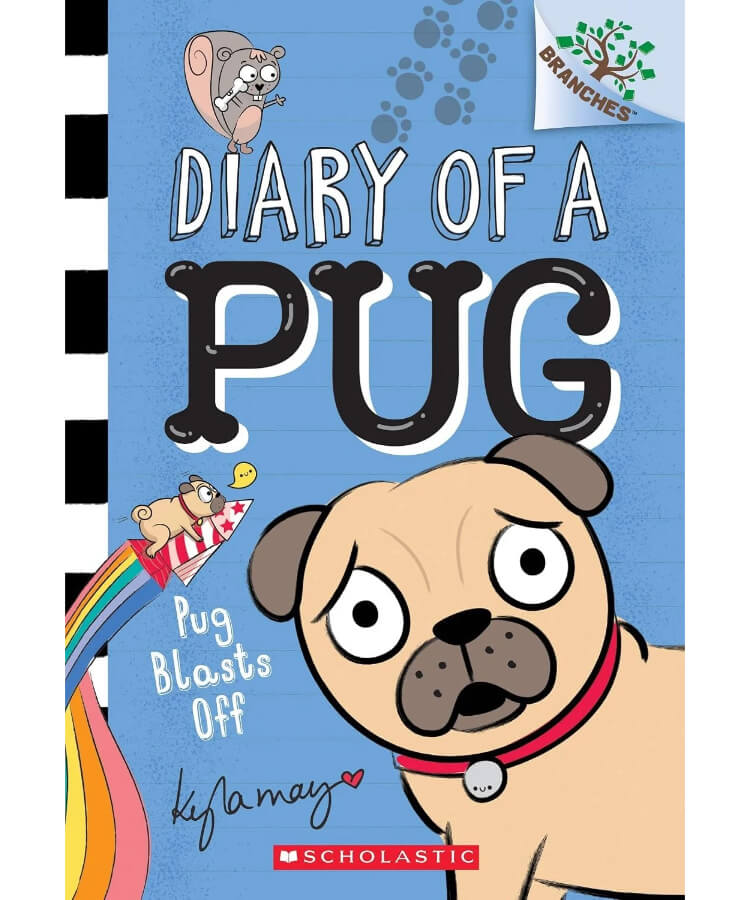
Ages 5–7 | Humor/animal fiction | Early chapter book series
An expressive pug named Baron von Bubbles (Bub for short) is an expressive dog who goes on everyday adventures with his owner, Bella. It’s told in a diary format, with a generous helping of humor and illustrations. Umesi chose this one, also pointing out that Scholastic’s Branches line is a particularly useful place to seek out books for newly independent readers.
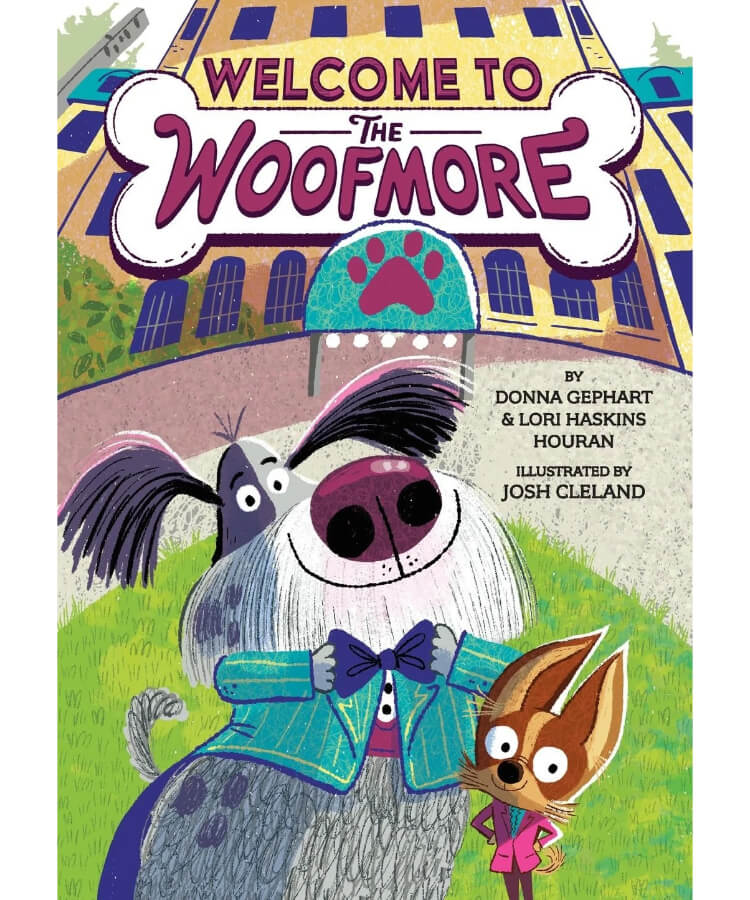
Ages 5–8 | Humor/animal fiction | Early chapter book series
At the Woofmore Hotel, almost everyone is a dog, leading to canine chaos. It’s another silly premise with short chapters and illustrations that promises to delight young readers. Umesi named this one a newer series she recently found for this age group.
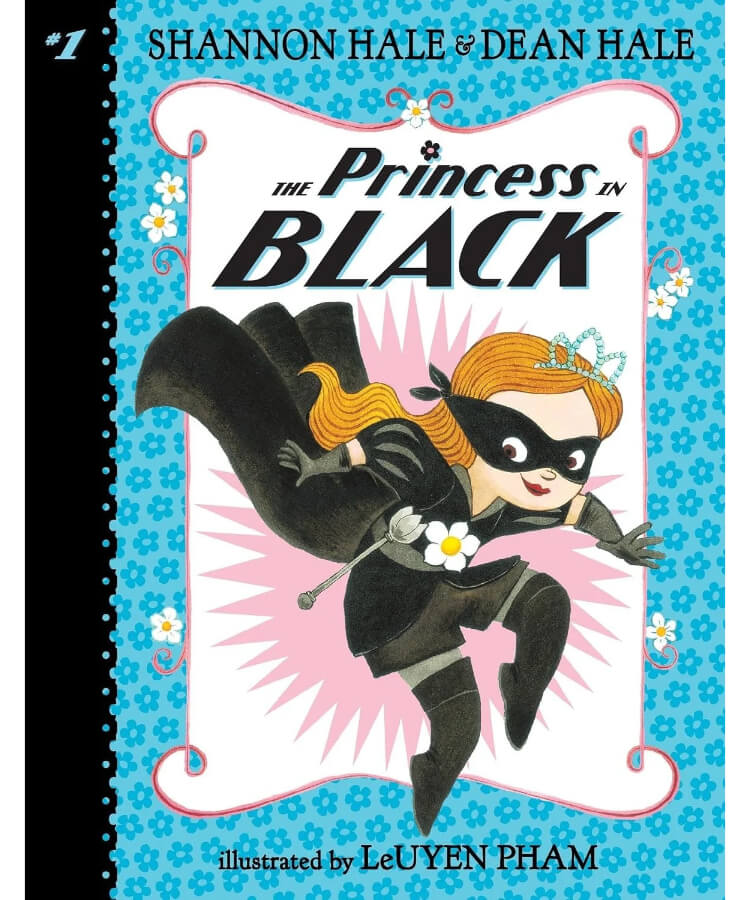
Ages 4–7 | Fantasy | Illustrated chapter book
Princess Magnolia is sipping on hot chocolate and scones when the monster alarm sounds. Unperturbed, Princess Magnolia sets to work, as stopping monsters is what she does best. This is a humorous, action-packed series for young readers who want a not-so-prim princess.
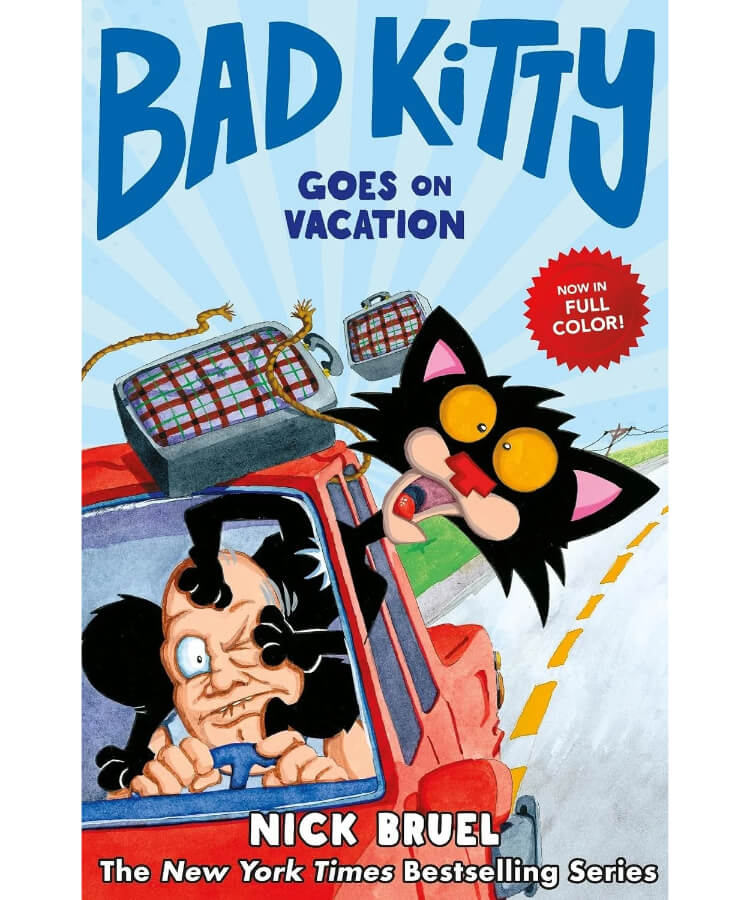
Ages 4–8 | Humor/animal fiction | Early chapter book series
Bad Kitty is a rather opinionated cat whose feline antics drive this highly illustrated series. It’s packed with jokes, wordplay, and visual gags for new readers, and it’s been a longtime favorite among this age group, shares Starke.
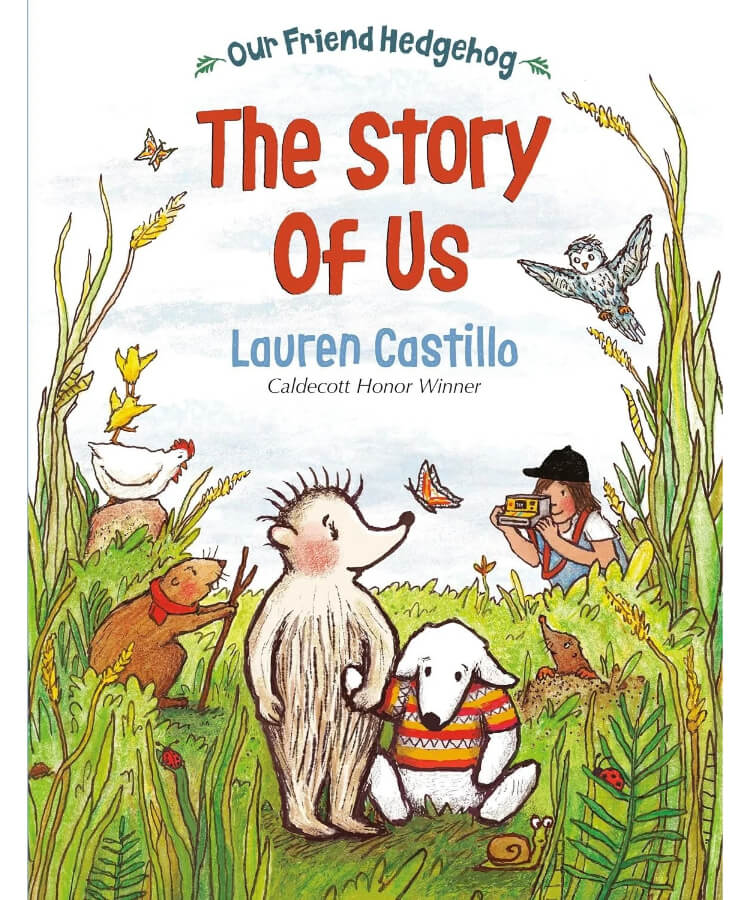
Ages 5–9 | Animal/friendship | Earl chapter book series
When Hedgehog’s best friend, Mutty, goes missing, Hedgehog bravely ventures outside the comforts of home and meets new friends along the way. Its gentle adventure, friendship story, and illustrations make it an inviting first chapter book read. Plus, DiCamillo gave this one her blessing.
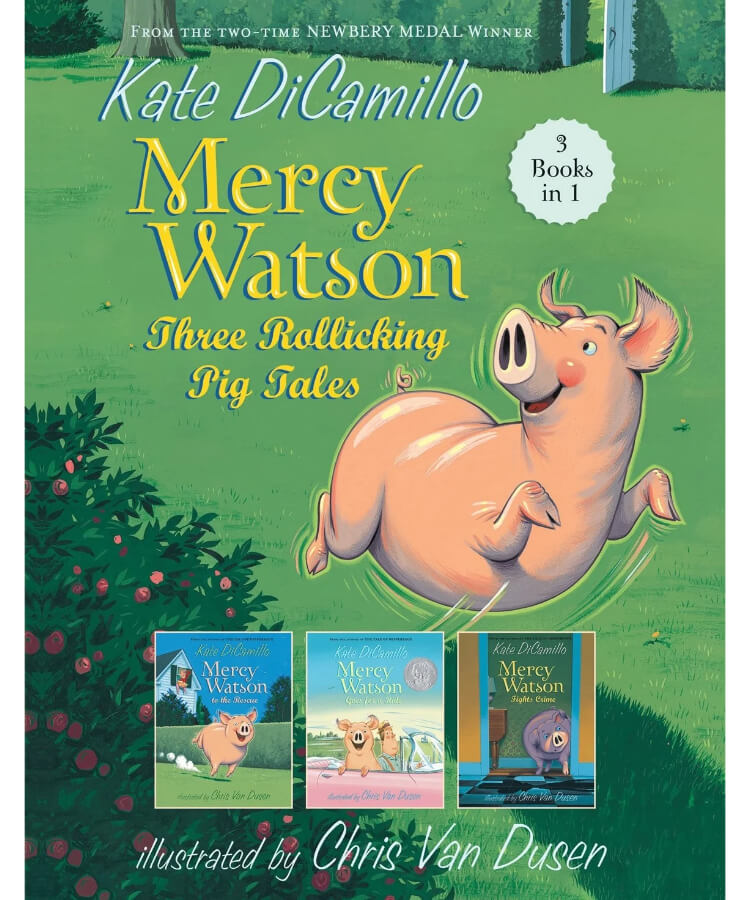
Ages 5–8 | Humor/ animal fiction | Early chapter book series
DiCamillo told me that when she first sent Mercy to her agent, the agent responded, “I don’t know what this is, but I love it.” Her publisher had a similar reaction. Today, librarians, teachers, and booksellers recognize that the series filled a much-needed gap between early readers and novels. And as a mom who has read this series aloud repeatedly, I give it two soaring thumbs up.
Mercy Watson, a toast-loving, accidentally trouble-making pig, lives with the adoring Mr. and Mrs. Watson. Mercy and her family often find themselves in one outlandish predicament after another. The books in this series are short, lively stories that often have my children and me rolling with laughter, and the colorful illustrations match that energy.
Best Chapter Books for 7-and 8-Year-Olds
By ages 7 and 8, many kids are ready to dive into longer stories and more complicated plots, but that doesn’t mean they are eager for a kids’ chapter book that looks (to them) like a million pages.
“For kids who are learning to read, page count is everything,” Umesi says.
At this age, interests can also become one of your best tools for choosing what comes next, so we broke down this list by genre.
Funny Chapter Books for 7- and 8-Year-Olds
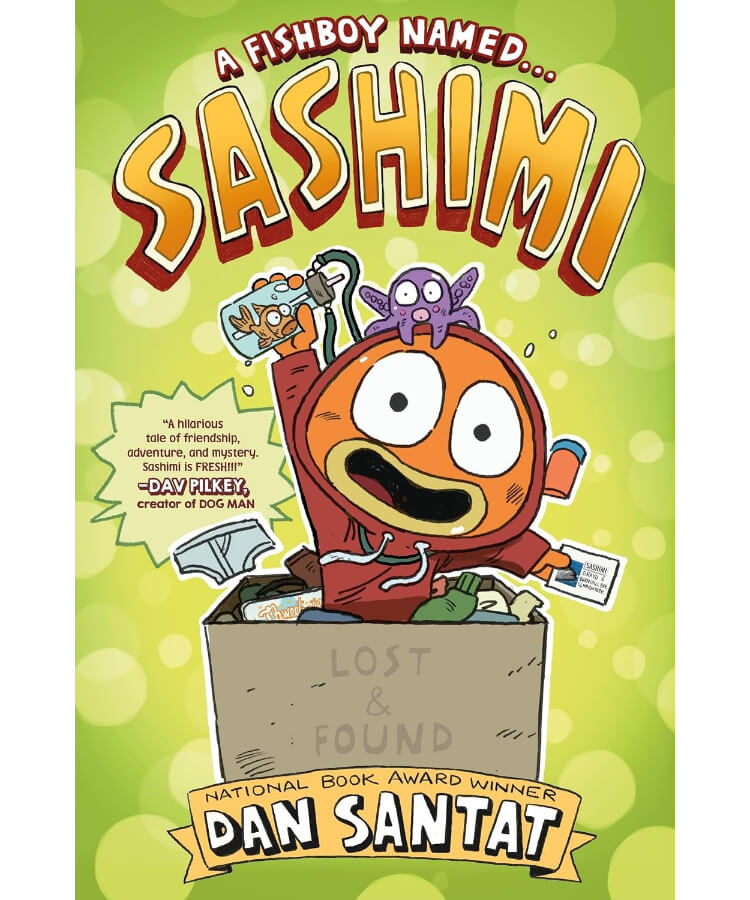
A graphic novel from Caldecott Medalist Dan Santat? Yes, please! This one is about a friendly fishboy who heads to elementary school, where he plans to “blend in” with the humans. Umesi named this as one of her recent funny favorites for readers ages 6-9. Santat is also a favorite of mine, so I was excited to learn of this newest book from him.
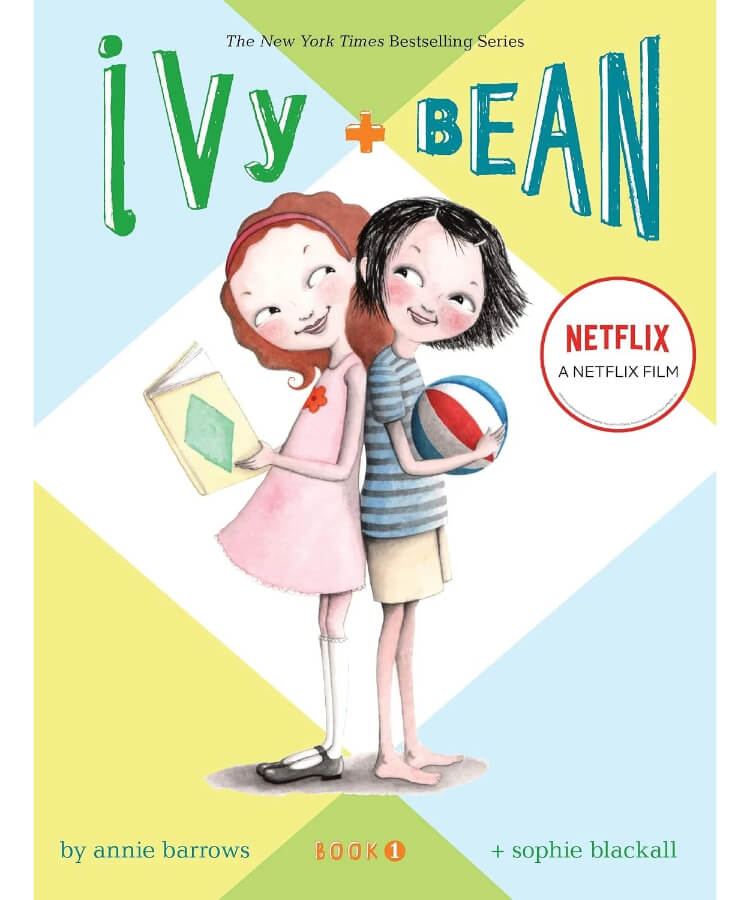
Ivy and Bean don’t exactly seem like kindred spirits, thanks to their very different personalities. But that’s precisely what makes for entertaining fodder when they strike up a friendship. This one’s short with lots of personality. We can thank DiCamillo for suggesting this one on our list.
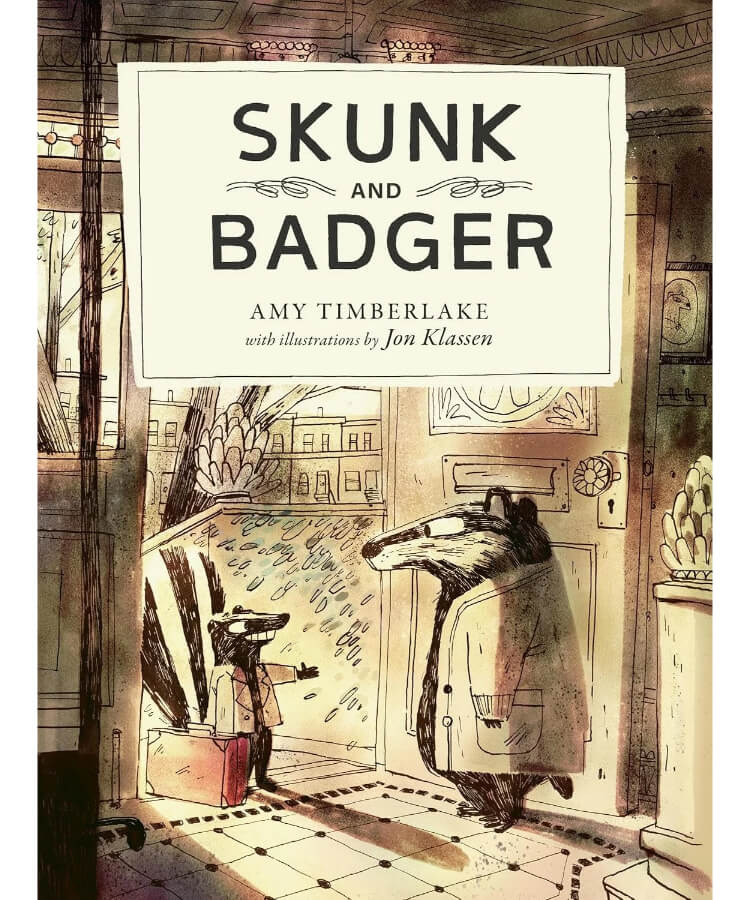
This quirky book about a badger and skunk who find themselves in a roommate situation, with chickens to boot, is full of sophisticated humor, making it a great read-aloud. My son and I laughed our way through this one. I still remember reading it to him on a road trip on the backroads of Montana–it’s the sort of story that stays with you.
Fantasy and Adventure Chapter Books for 7- and 8-Year-Olds
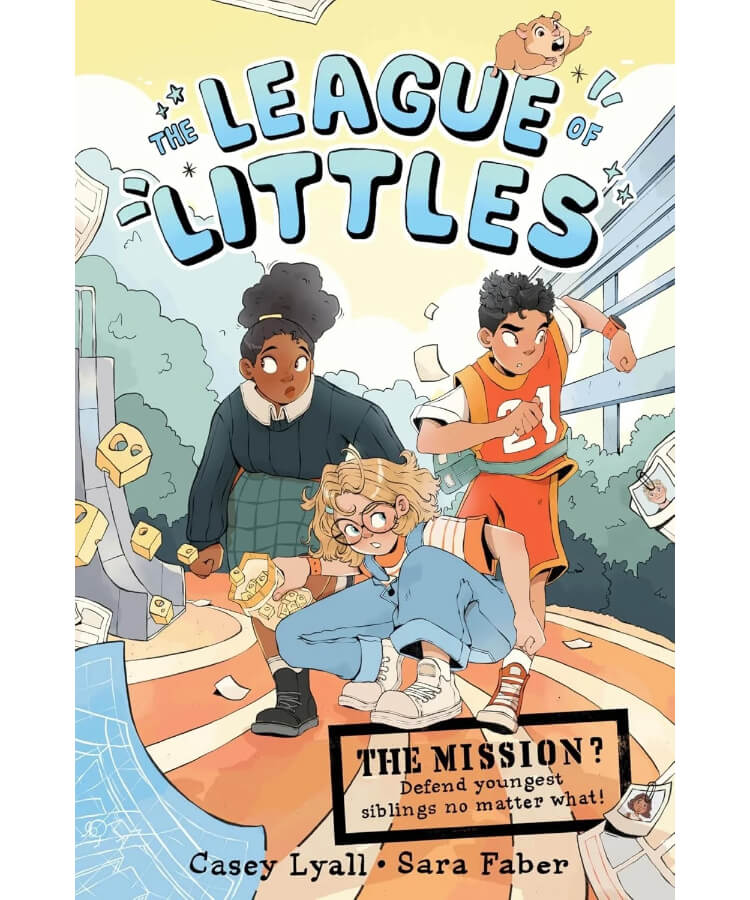
This graphic adventure follows younger siblings tired of being underestimated as they form their own secret organization. Umesi says this one is a great graphic pick for ages 6-9, especially for kids intimidated by too much text.
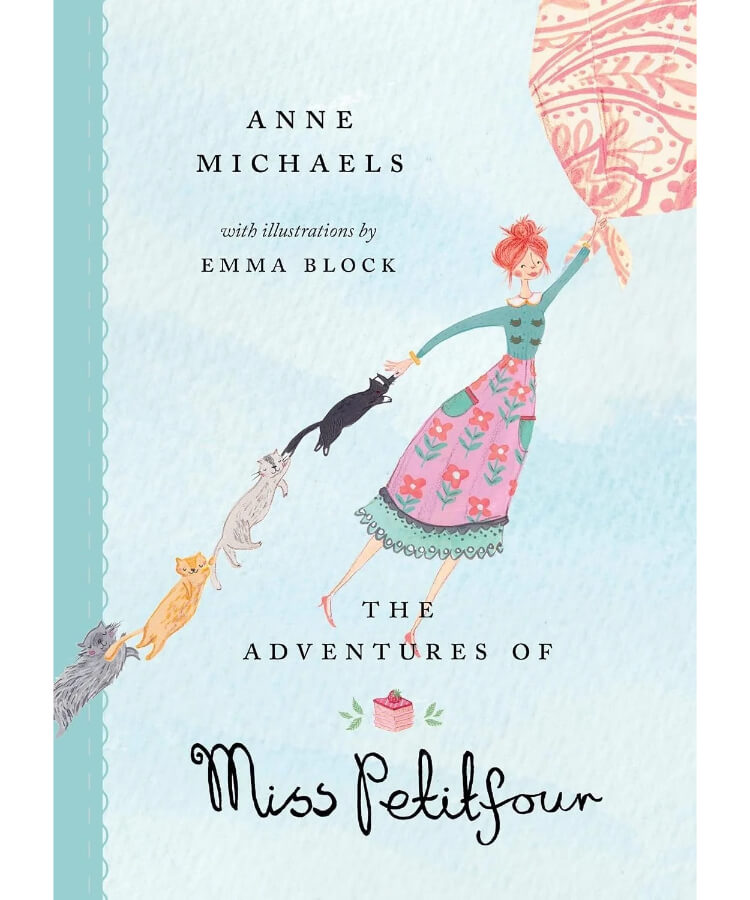
Miss Petitfour travels by tablecloth, carried away on the wind’s whimsies, accompanied by her many cats. Whimsical and full of lovely, colorful pictures, this one feels like a modern-day classic. My 8-year-old daughter and I enjoyed this one as a read-aloud and added it to our permanent collection.
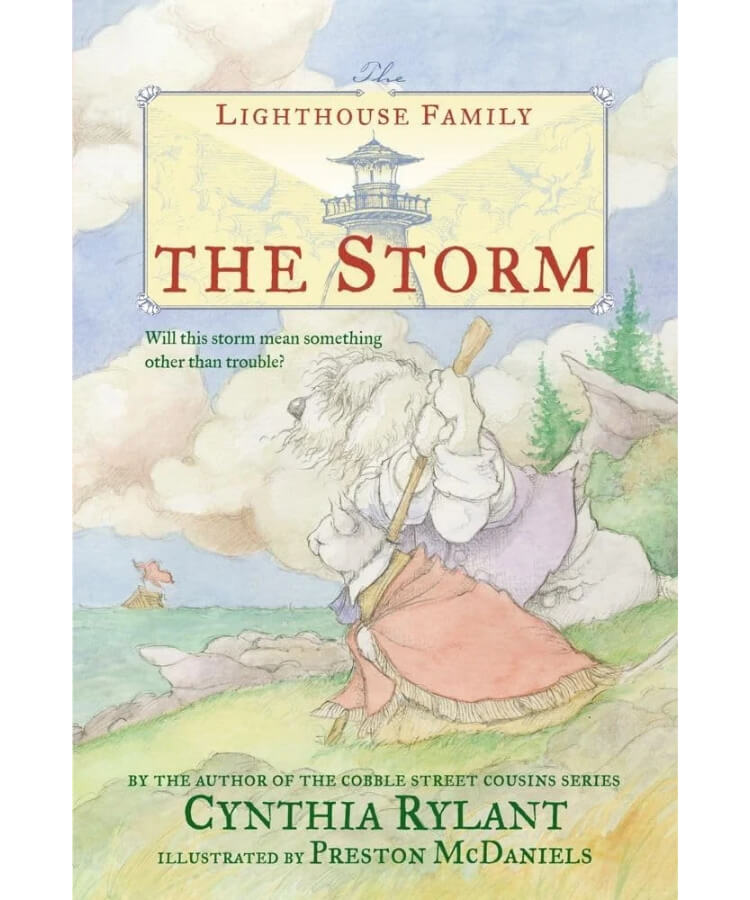
A lone lighthouse keeper and a shipwrecked sailor create an unconventional family when they adopt an orphaned family of mice. Gentle adventures, short books, and the illustrations by Preston McDaniels make this a favorite first series in our family.
Mystery Chapter Books for 7- and 8-Year-Olds
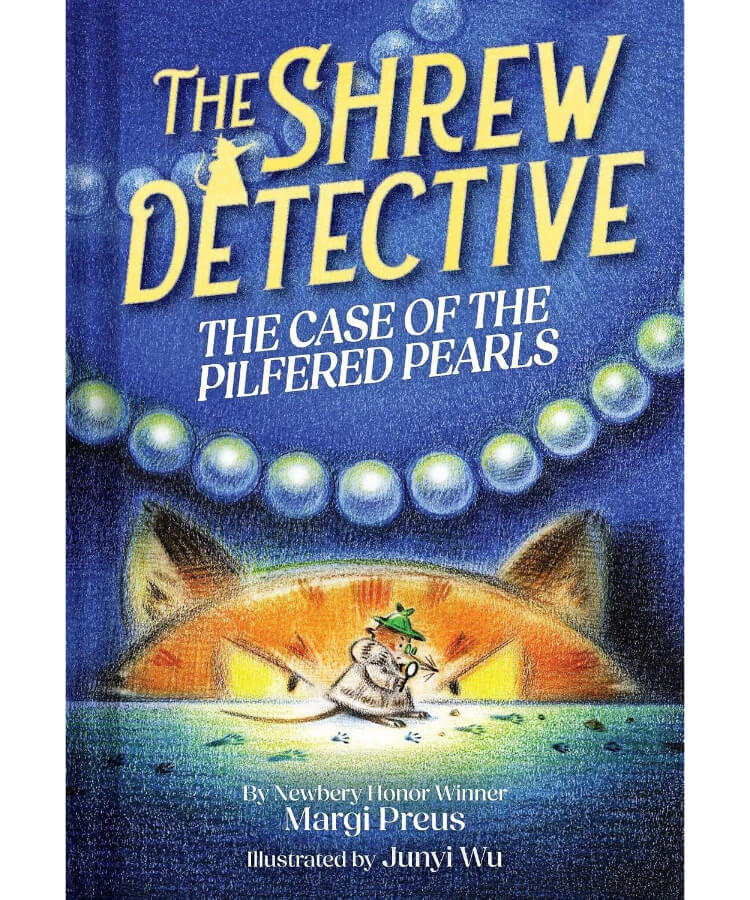
Minerva Shrew has a mystery to solve when pearls disappear from the house where she and the other animals live. This one is on Umesi’s list. My daughter and I recently finished it too, and we had so much fun guessing at the ending.
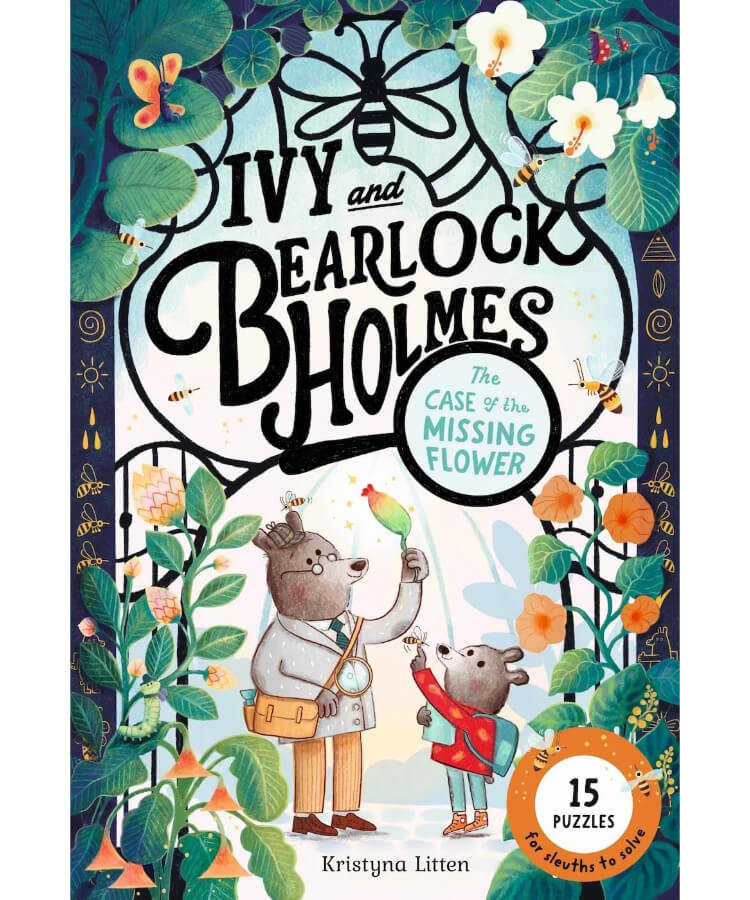
This cozy, fully illustrated mystery series is a delight for newer readers. The mysteries are around every corner, with interactive puzzles to solve every few pages—ideal for a first-timer to the genre.
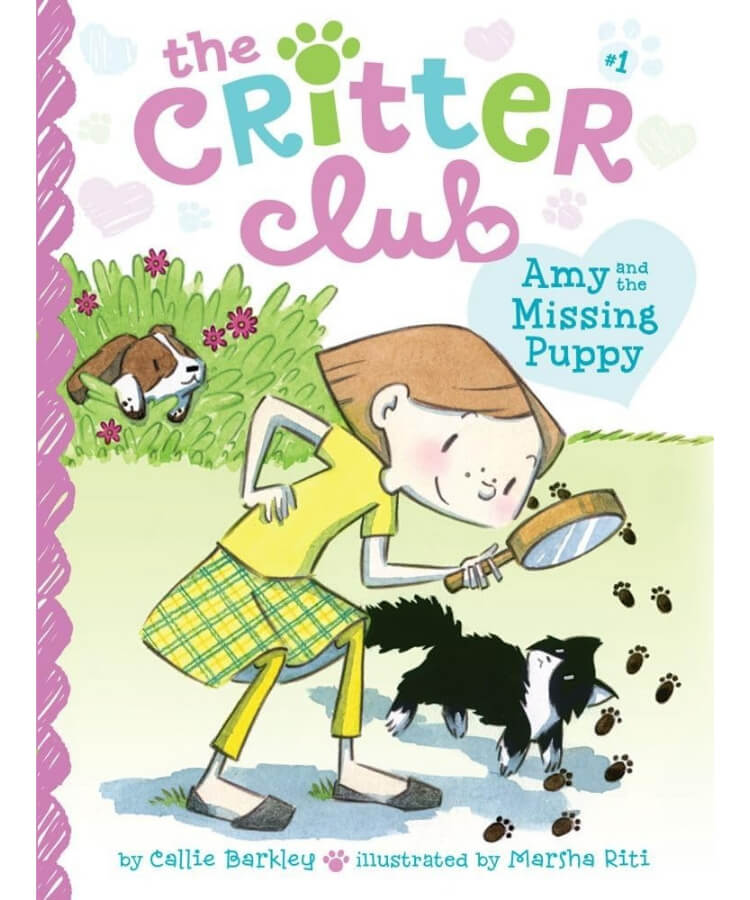
Four friends must work together to help animals in their community, as mysteries and problems abound. Umesi gave this one the green light for the age group. I’d say it’s definitely the time when animal friendship stories are at their peak popularity.
Realistic Chapter Books for 7- and 8-Year-Olds
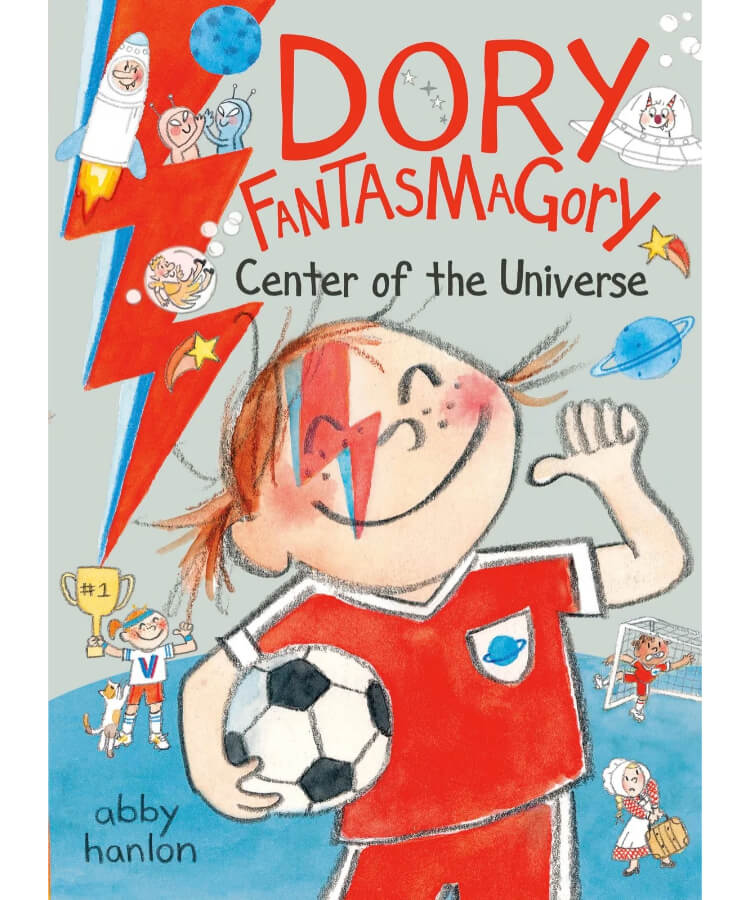
Dory is a hoot. I love how imaginative, spunky, and downright hilarious she is. And relatable. This book works well as a starter chapter book, thanks to short chapters, first-person narration, speech bubbles, and vocabulary familiar to elementary-age kids. I once listened to Hanlon, a former first-grade teacher, describe her author journey on a podcast, and I was immediately sold on her as a person and as an author who “gets kids.” This series is such a favorite in our house.
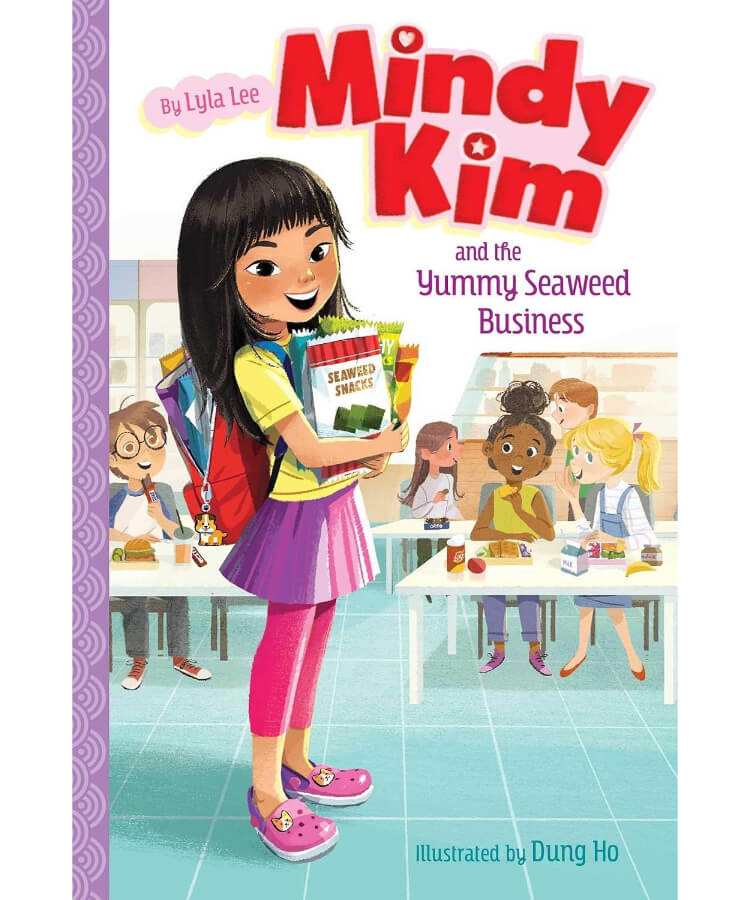
Mindy navigates school, friendship, and family life, while also sharing aspects of her Korean American culture. Umesi also added this one. It’s a short, illustrated book with relatable elementary-school problems.
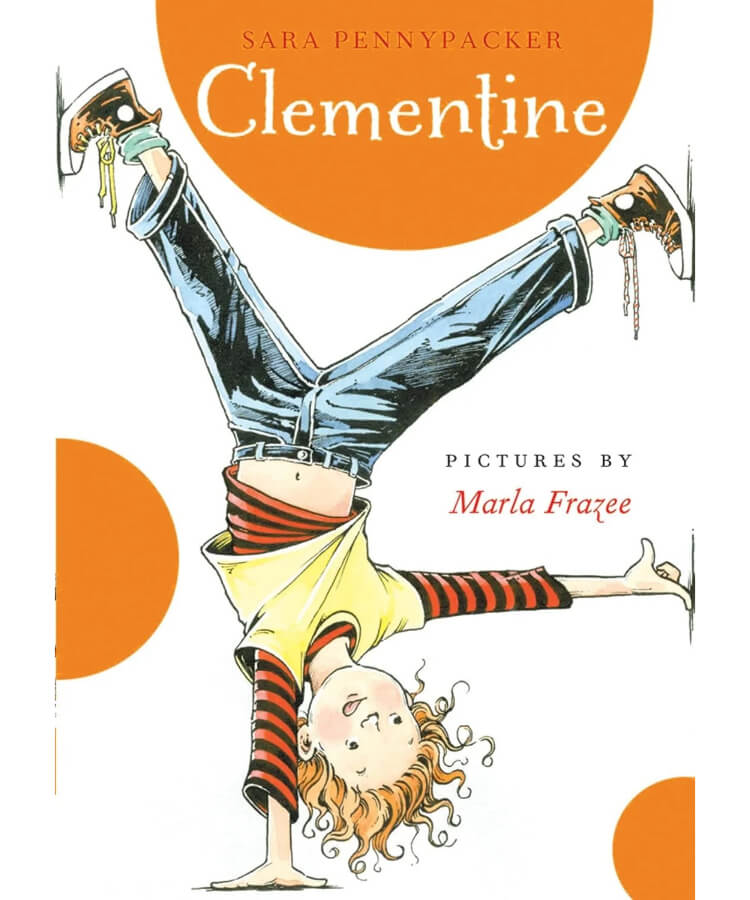
Clementine is an exuberant third-grader with a talent for getting into trouble, even when the poor dear is just trying to be helpful. Funny and warm, with school, family, and friendship at the core, it’s my pick for a book from an 8-year-old’s perspective.
Chapter Books for Reluctant 7- and 8-Year-Old Readers
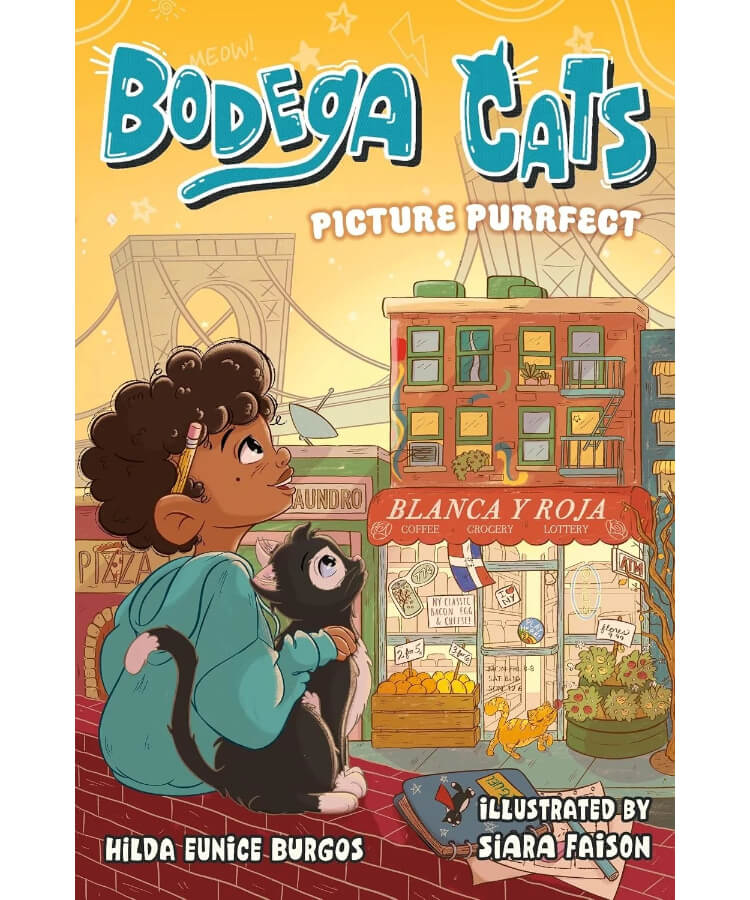
A funny illustrated series about cats who inhabit New York City bodegas, mixing animal antics with neighborhood and family stories. This is another Umesi pick, and because it’s a humorous animal story for 8-year-olds, I say, easy win!
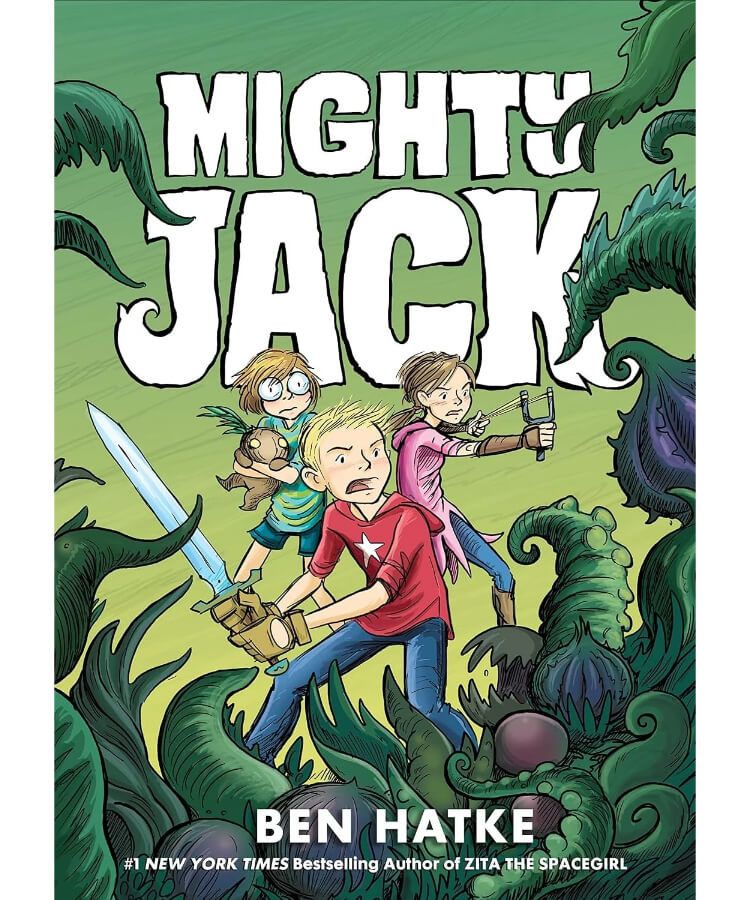
A graphic novel series that riffs on Jack and the Beanstalk, but with aliens and alternative worlds, of course. Fast, visual, and very adventurous, this one was a big favorite with my son for years.
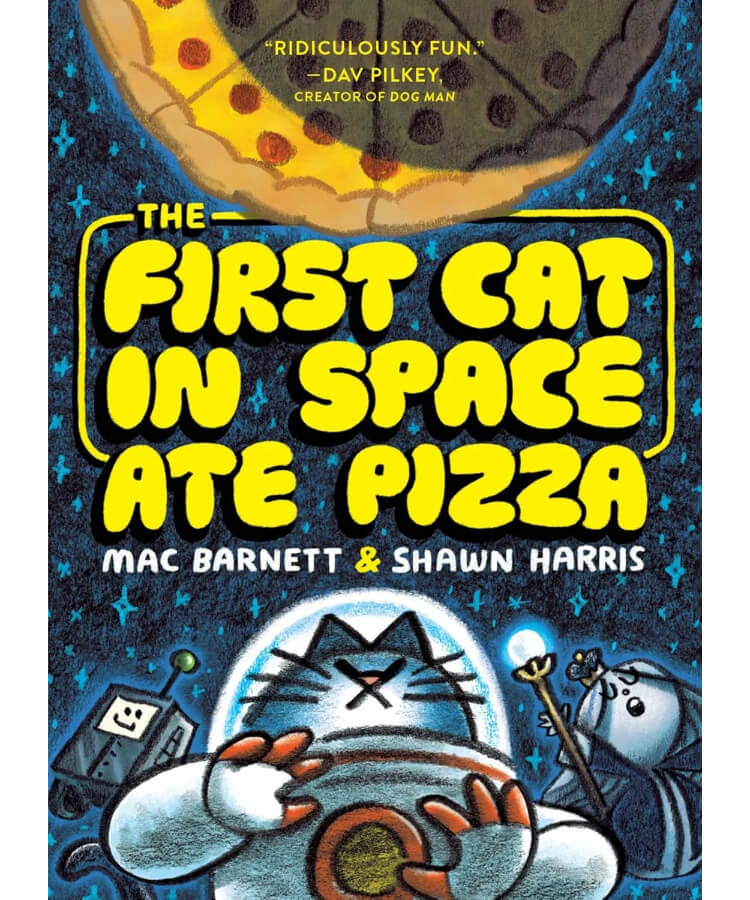
A cat in space? A toenail trimmer trying to find its purpose? An evil paperclip? The premise practically does the reluctant-reader work for you. I mean, this graphic novel series had my family chuckling out loud. Witty banter abounds, with colorful, action-packed sequencing.
Best Chapter Books for 9- and 10-Year-Olds
By fourth and fifth grade, page count and plot start to expand when it comes to kids’ chapter books. But don’t feel bad if your child isn’t interested in bragging to their friends about page counts just yet. Remember that interests and reading stamina still vary considerably.
Funny Chapter Books for 9- and 10-Year-Olds
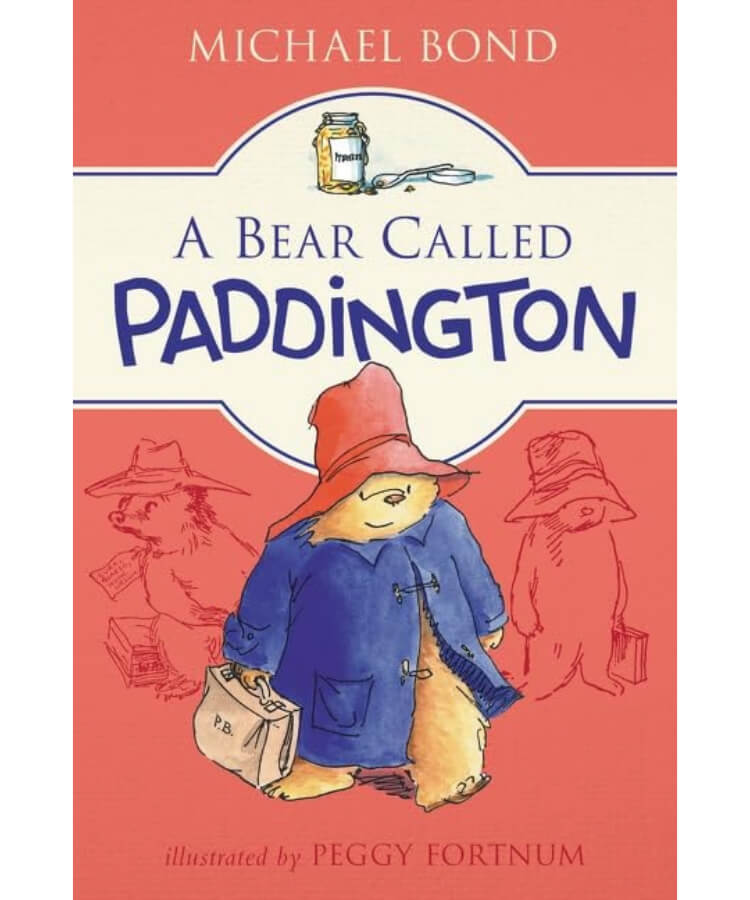
A polite bear from Darkest Peru arrives in London and is graciously welcomed into the Brown family. His best intentions routinely produce chaos, but nothing a little hard stare can’t fix. DiCamillo recommends this one, as each chapter tells its own story. My daughter has repeatedly listened to the series’ audiobooks on Hoopla, and it’s a true and utter delight.
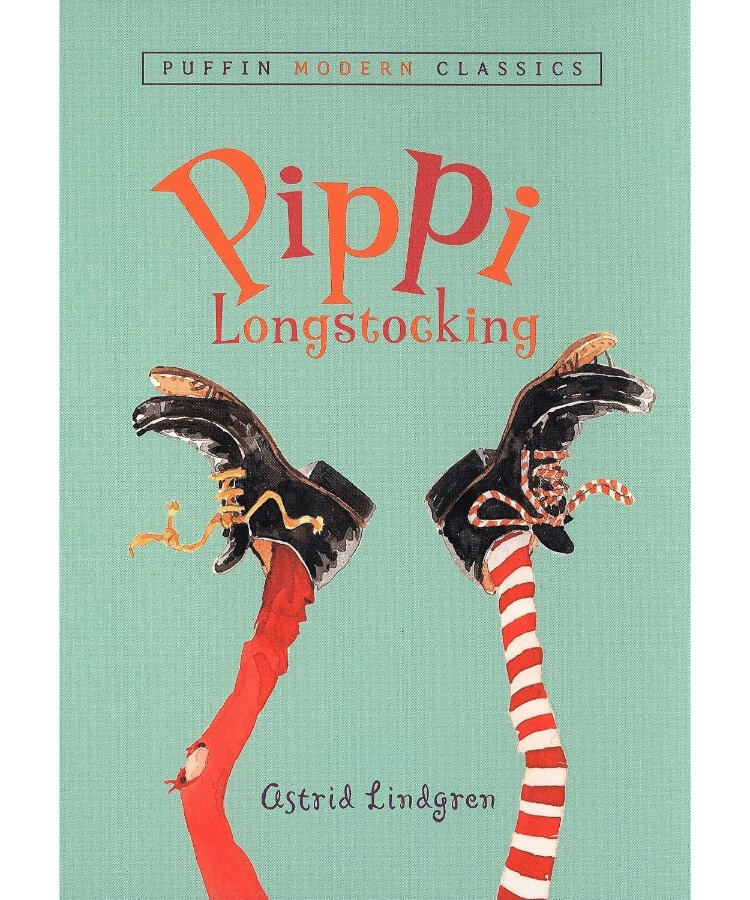
Pippi takes care of herself. She has her own house (Villa Villekula), her own horse that she boards on her front porch, and lives by her own zany rules. This fantastical, absurd read is a Hanlon pick, especially as a read-aloud or audiobook. Since my daughter is on her thousandth time listening, I second that.
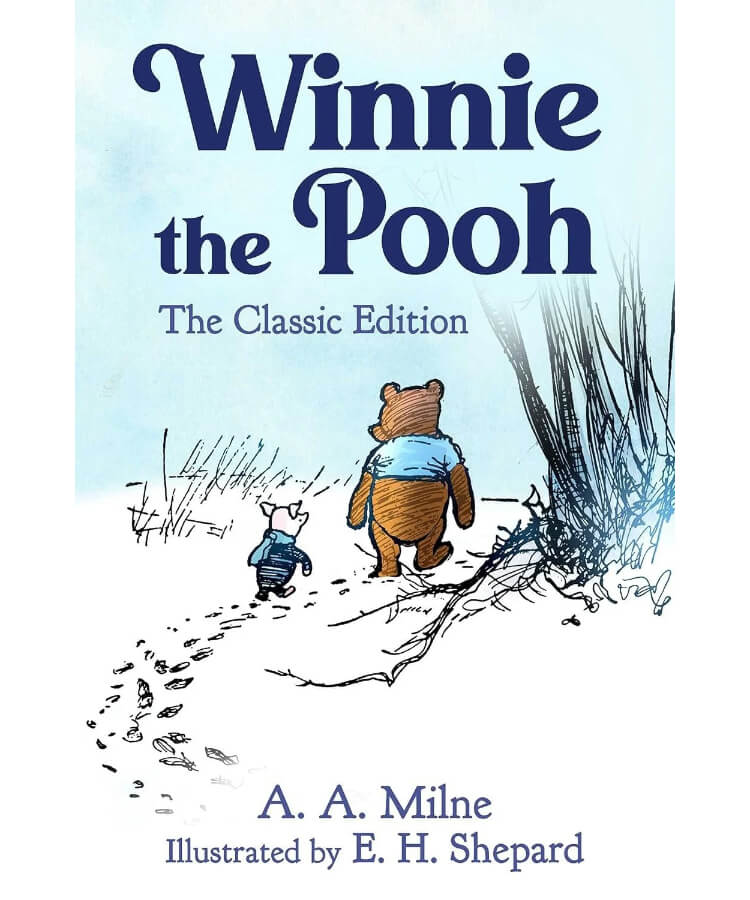
Pooh and his friends of the Hundred Acre Wood are beloved classics for a reason. Honey, Heffalumps, and humor keep the stories humming with charm and gentle spirit. Introducing each of my children to Pooh has been a delight.
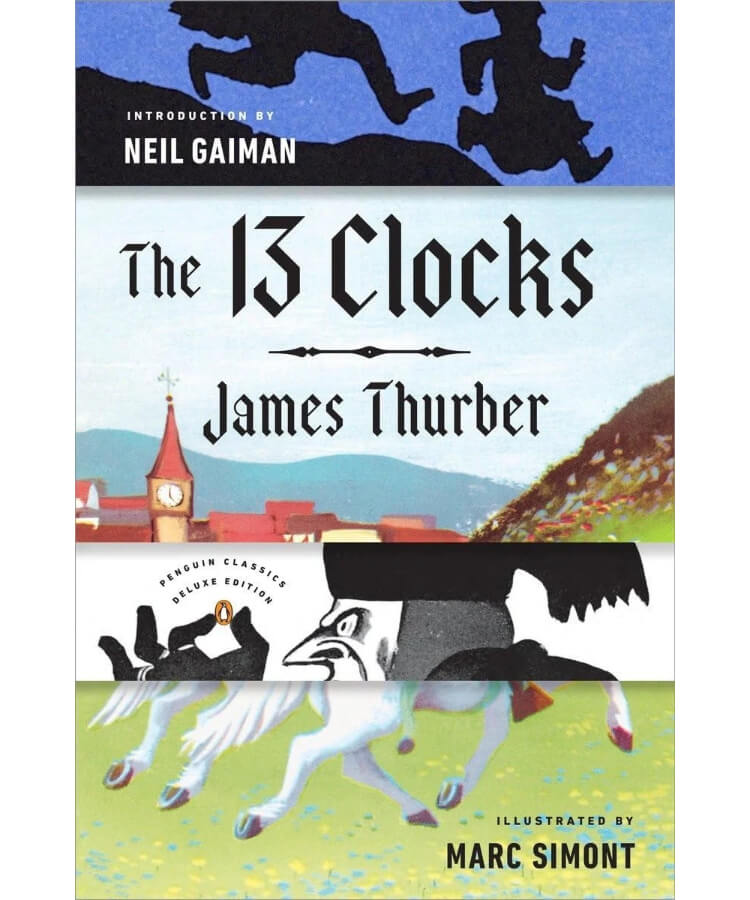
In this one, there’s a wicked duke, an impossible quest, and a princess and a prince in disguise. It’s a fairy tale that’s both clever and totally bizarre. Short but linguistically packed, I enjoy this one for kids like my oldest, who are into absurd humor.
Fantasy and Adventure Chapter Books for 9- and 10-Year-Olds
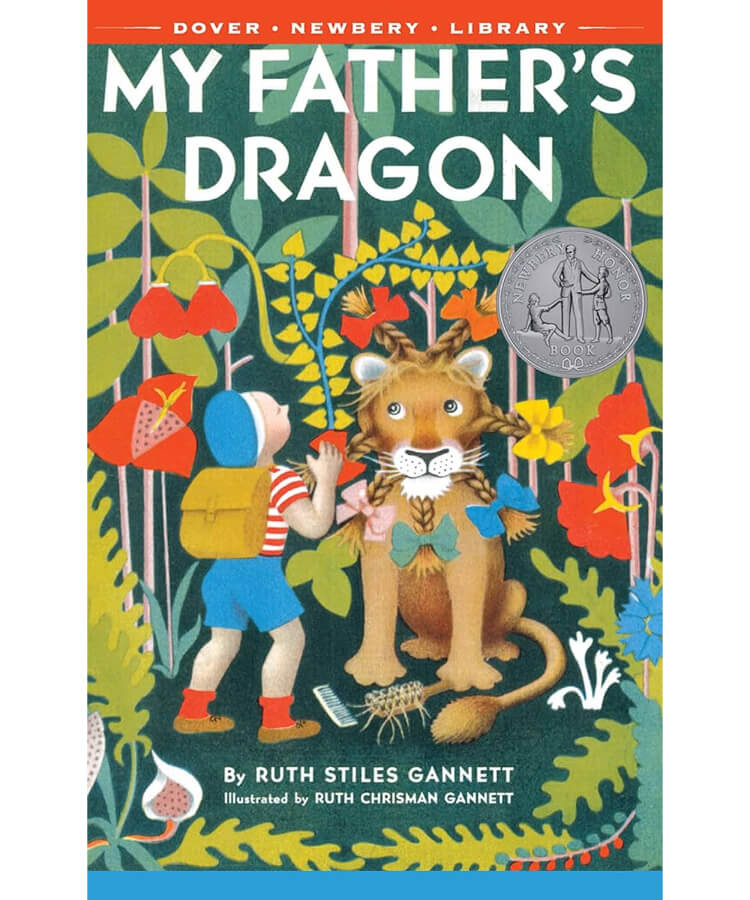
A boy named Elmer Elevator runs away to Wild Island to rescue an imprisoned baby dragon. (Yes, it’s absolutely not based on a true story.) It’s a story of outsmarting your foes, and it makes for a perfect first adventure read. DiCamillo put this one on her list, and goodness, I do, too.
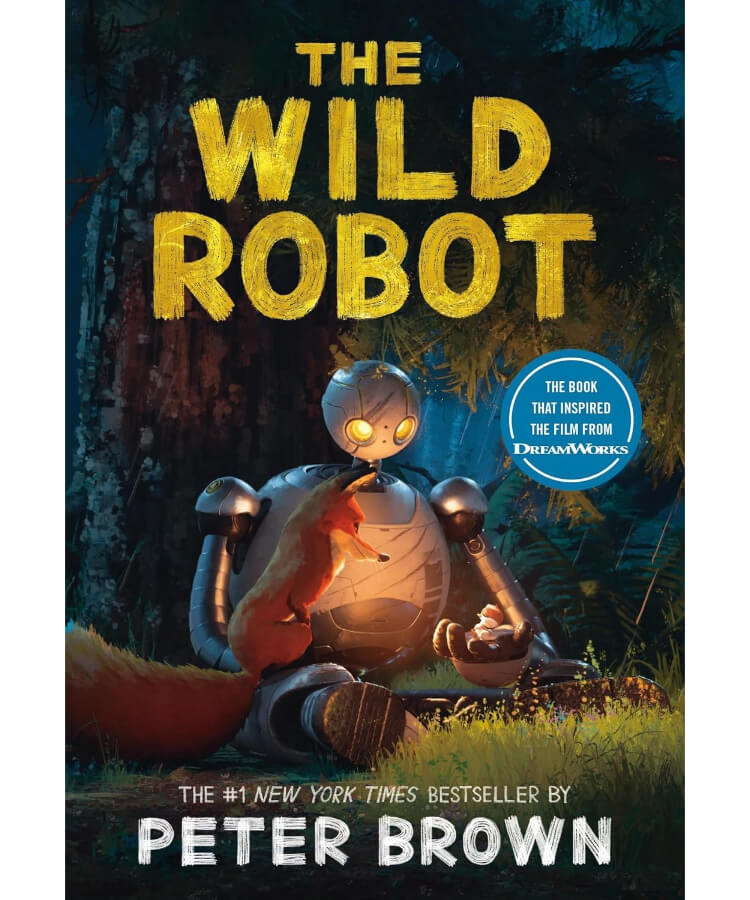
Roz, a robot, somehow ends up on a wild island and must learn to survive by befriending the local animals, who see her as a pesky intruder. With accessible prose, short chapters, and deep questions about family, nature, and belonging, this popular series is an easy yes.
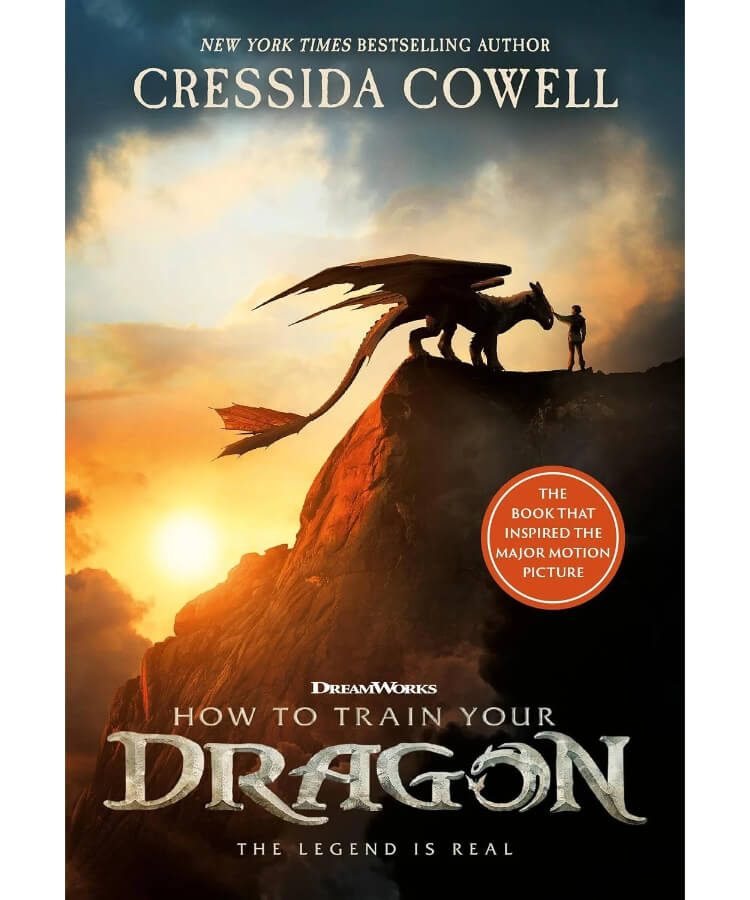
Hiccup is not your obvious Viking hero, but aren’t those the best kind? The books are funny, scrappy, and a lotta bit epic. This series is a must for adventure-seeking readers, and the audiobooks are fabulous, too.
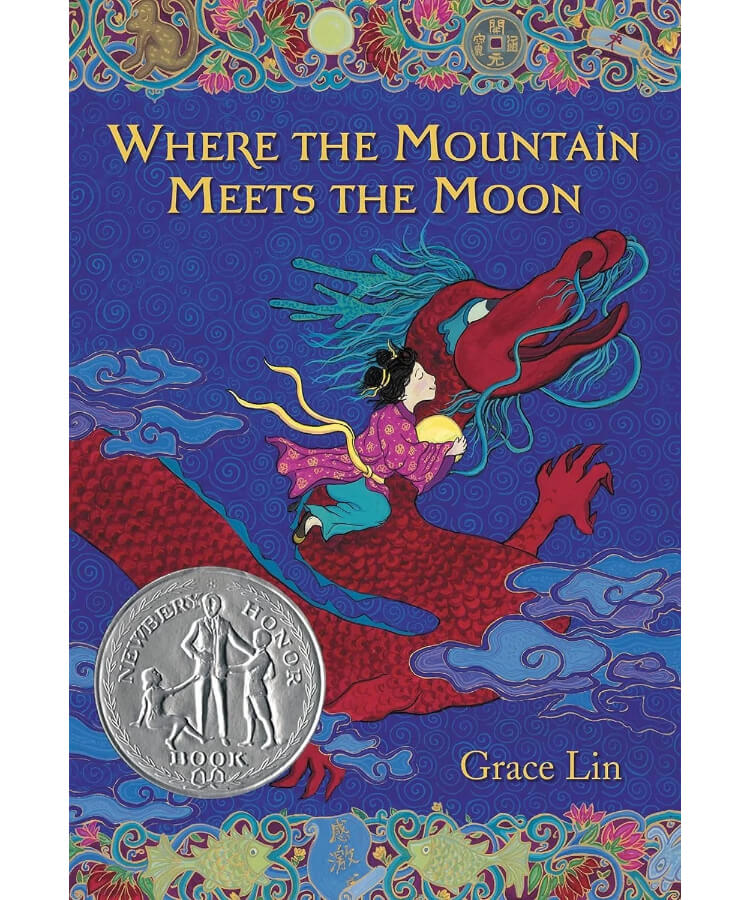
Winning a Newbery Honor award in 2010, Where the Mountain Meets the Moon follows a young girl and a dragon on their quest to find the old man in the moon, a mystical character who is said to have all the answers to life’s mysteries. Gripping and beautifully told, Lin’s novel introduces the magic of Chinese folklore with heart, friendship, and longing.
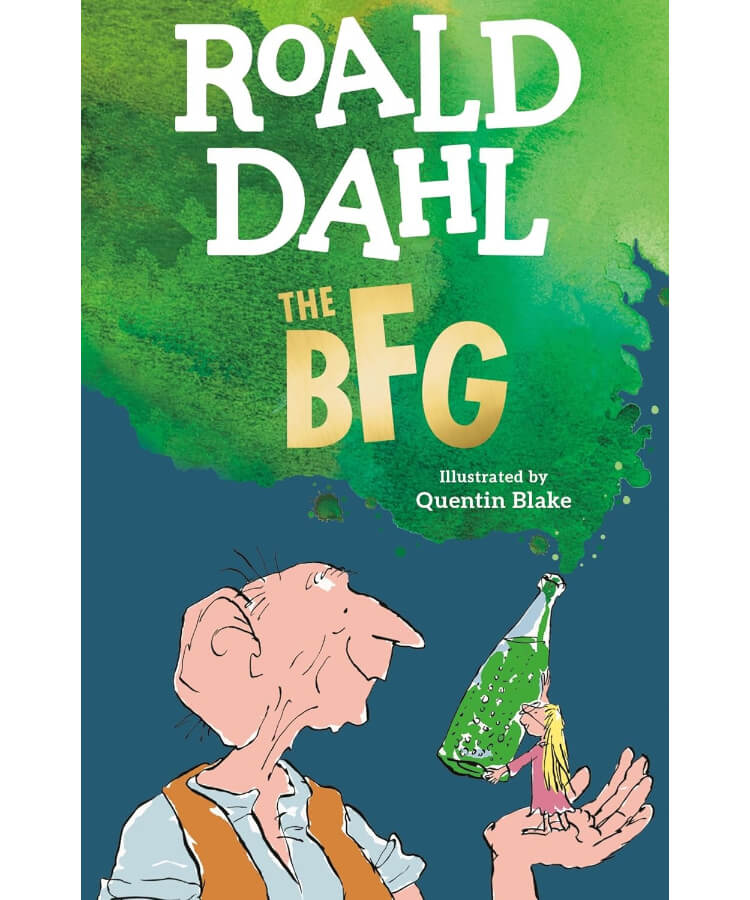
A young orphan named Sophie finds herself in cahoots with a Big Friendly Giant, and teams up with him to save the world from its mysterious child-eating monsters. Aside from the first chapter’s creepy midnight abduction, this 1982 classic is full of playfulness, warmth, and giggle-till-you-can’t-breathe humor.
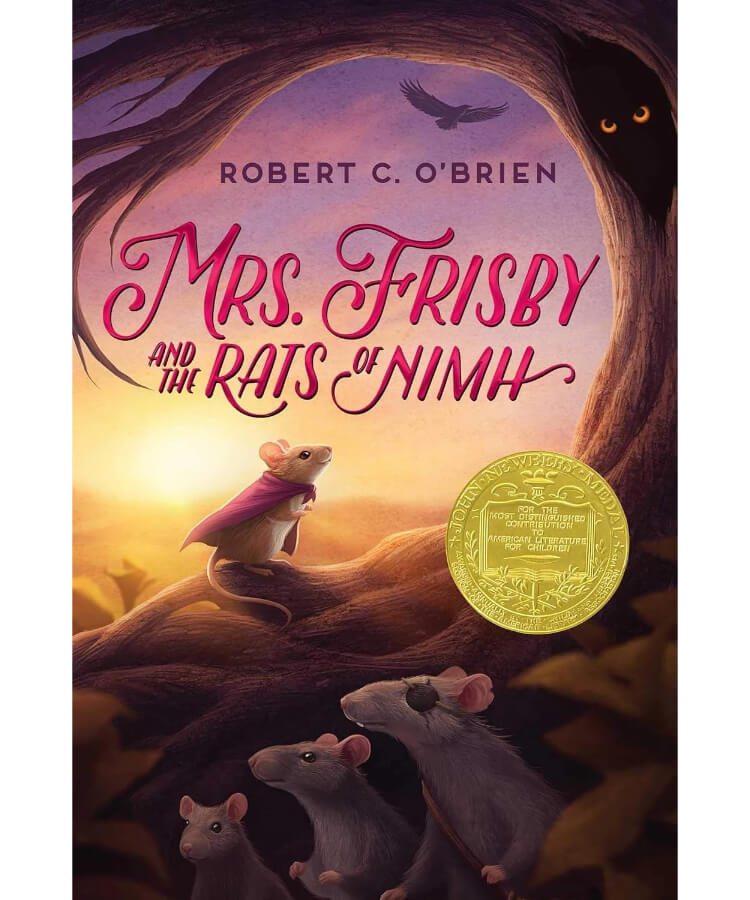
Mrs. Frisby’s young son is too sick to move from their home before the farmer’s plow arrives, putting her in a life-or-death dilemma. Hopelessly, she turns to the nearby mysterious colony of highly intelligent rats for help. This Newbery classic is one that begs to be read aloud.
Mystery Chapter Books for 9- and 10-Year-Olds
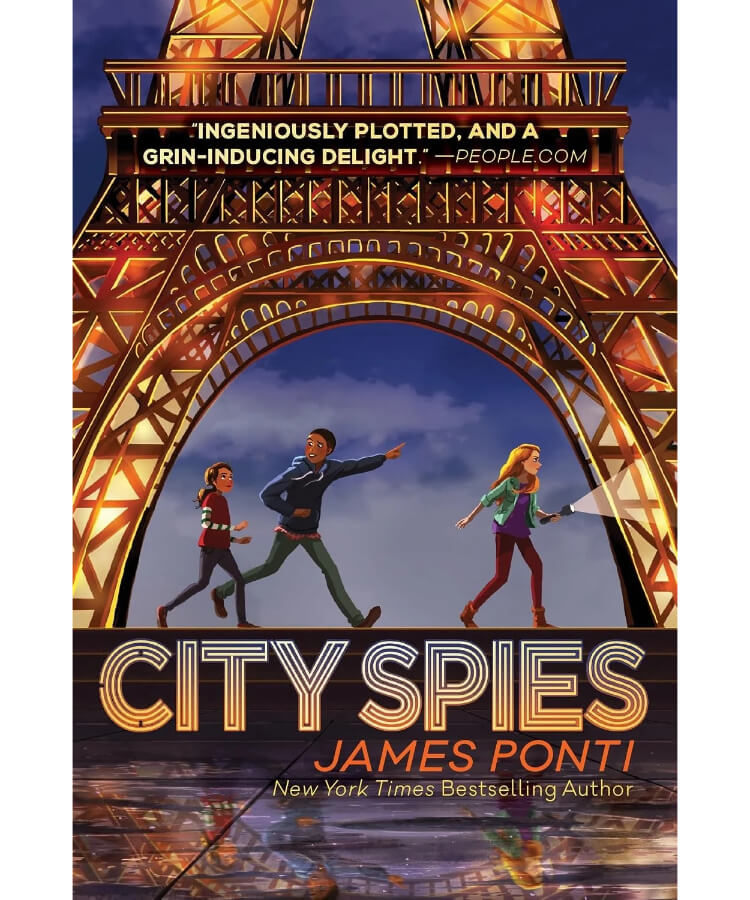
A group of kids from around the world is recruited by MI6 and trained as young spies. Codes, international missions, family, and cliffhangers is like our youth’s Agent Cody Banks, but in book form. It’s longer, but the page-turning pacing keeps young readers engaged.
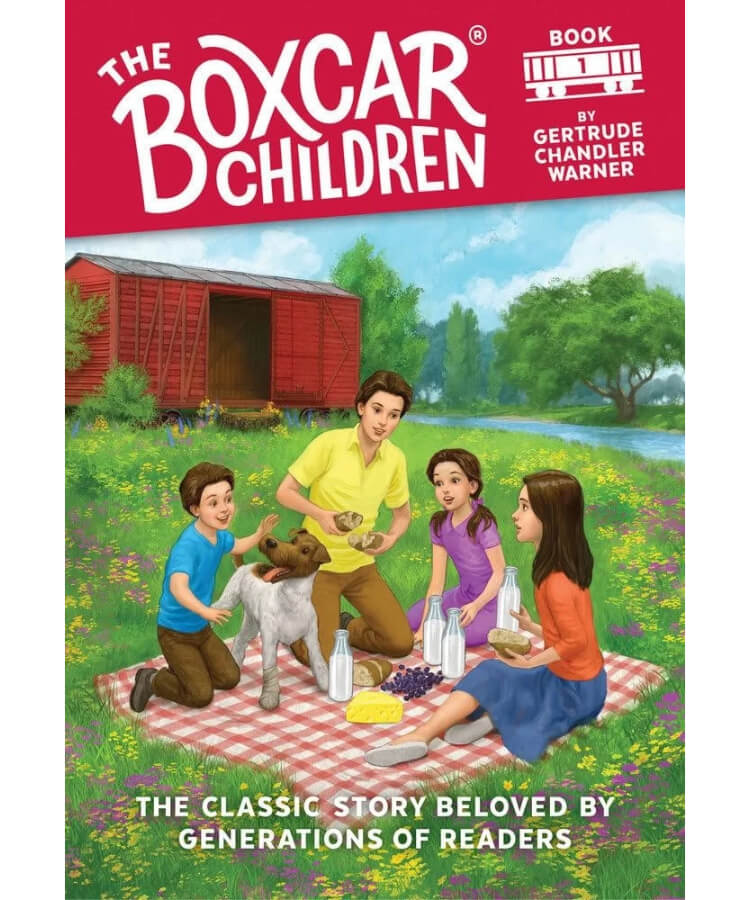
Four orphaned siblings make a home for themselves in an abandoned boxcar, which (naturally) leads them to become amateur mystery solvers in later books. I prefer the classic first title to the rest of the series, but hey, it’s straightforward prose, plus there are a gazillion books in this series to keep your kid thoroughly entertained, if they get hooked.
Historical Fiction Chapter Books for 9- and 10-Year-Olds
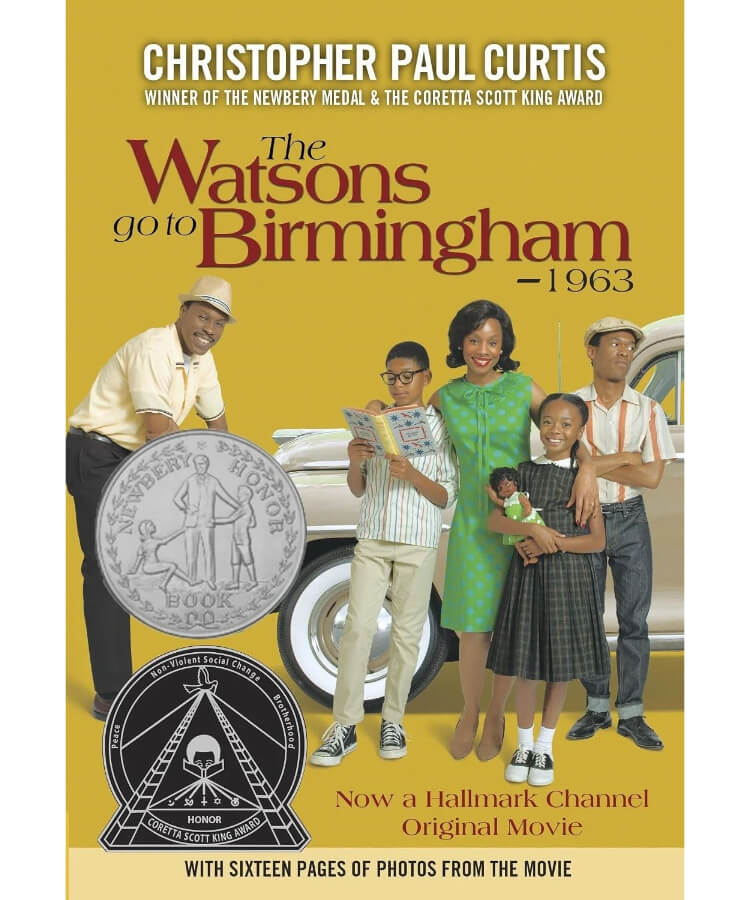
A Newbery Honor and a Coretta Scott King Honor book, Curtis’s first novel shares the funny, tragic story of a family road trip set during the Civil Rights Movement. This one is an important read.
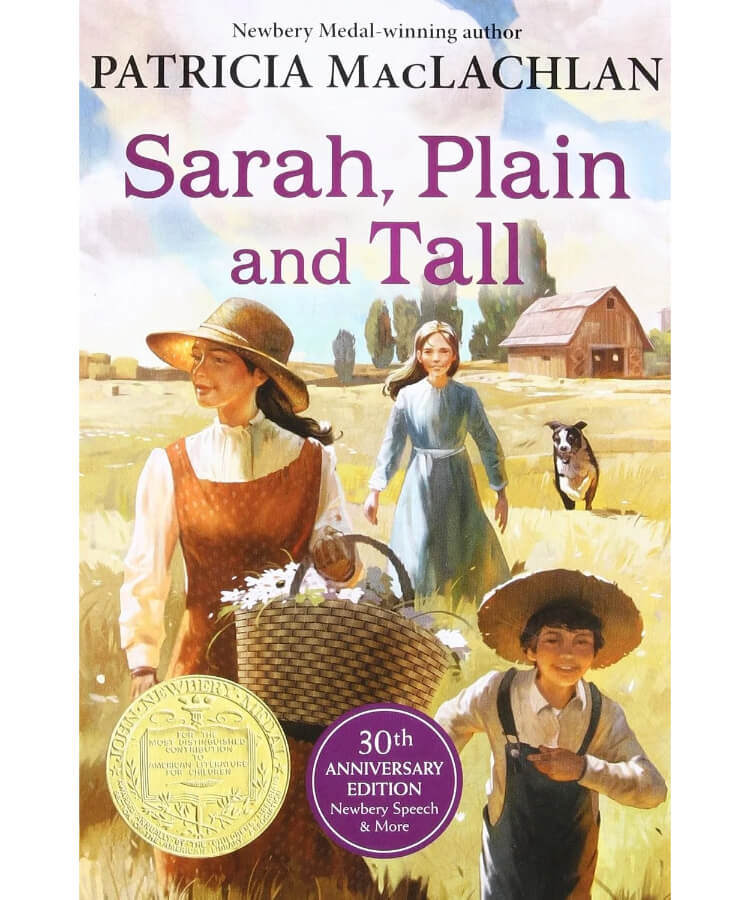
Anna and Caleb cannot wait to meet Sarah, who comes from Maine to answer their widowed father’s advertisement looking for a wife. Will this woman who loves the sea become their new mother? It’s a short book with spare writing, but such a beauty. DiCamillo selected it, and I’m glad she did, as my own daughter just finished it with a sigh of contentment.
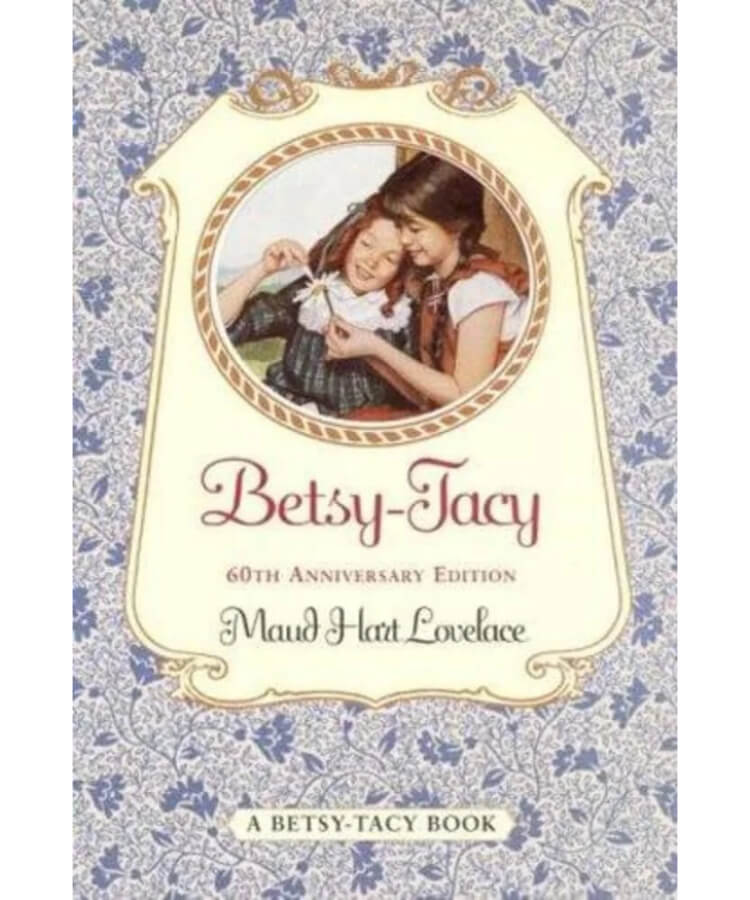
Betsy, Tacy (and eventually Tib) are best friends. Three little girls growing up in turn-of-the-century Minnesota manage to get into plenty of whimsical, funny adventures. The earlier books are geared toward younger readers, but the series grows with your child, all the way to Betsy’s wedding. Personally, I grew up with this series, and it is near and dear to my heart.
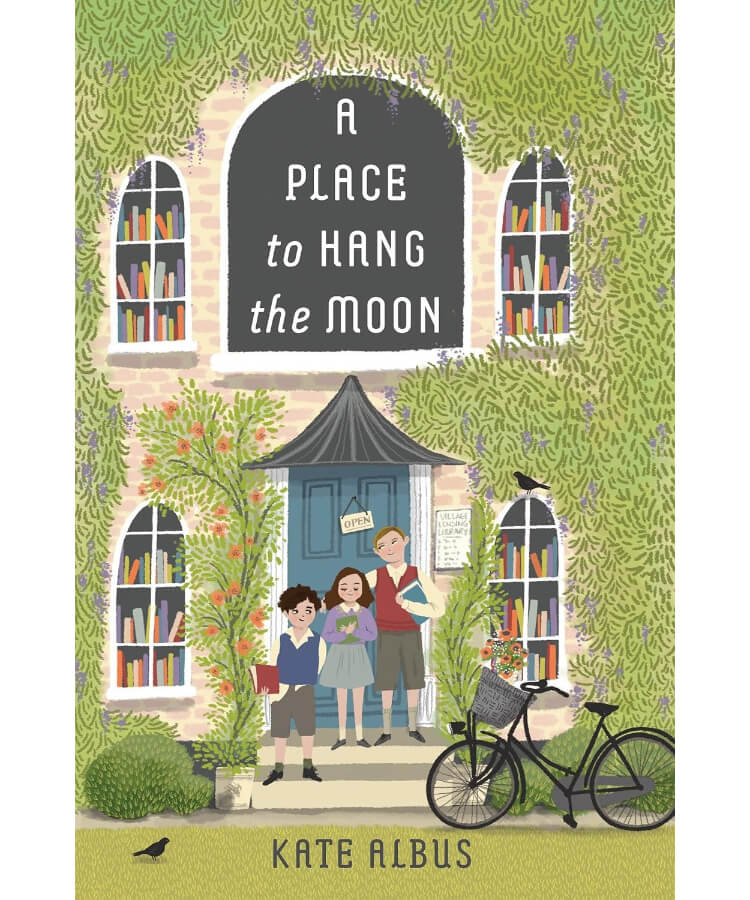
Three orphaned siblings are evacuated from London during World War II, hoping the experience will lead them to a forever family. Instead, they are placed in a not-so-pleasant situation, but there’s plenty of humor and heart to keep the siblings (and the readers) afloat. This one feels like another modern-day classic.
Realistic and Family Stories for 9- and 10-Year-Olds
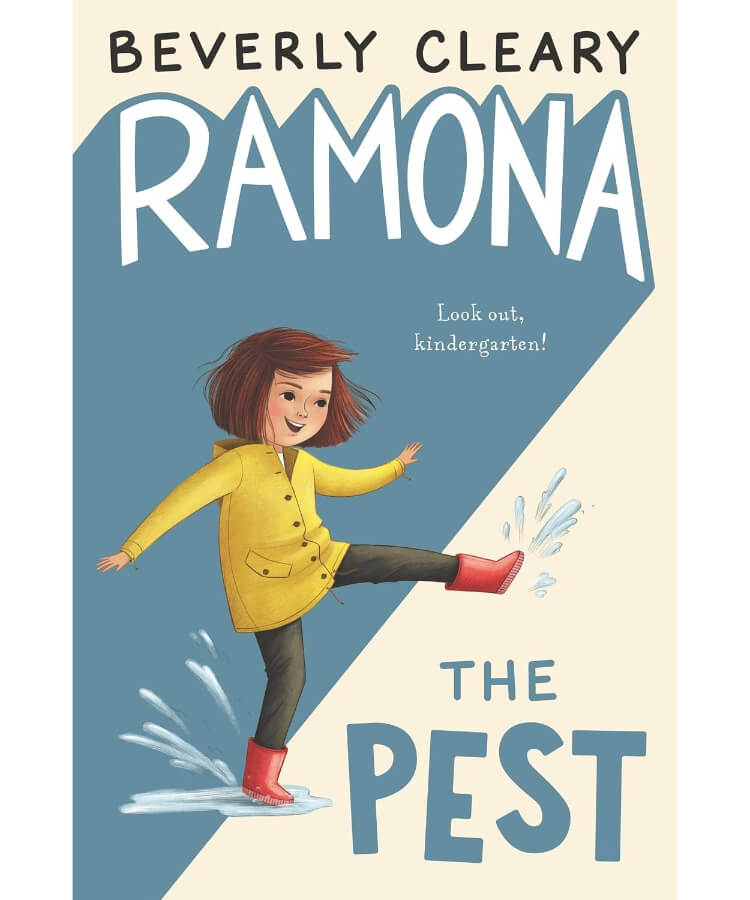
Ramona Quimby is messy, imaginative, emotional, and relatable, even decades after she first hit the literary scene. Hanlon pointed to this one as a read-aloud, and she couldn’t be more right.
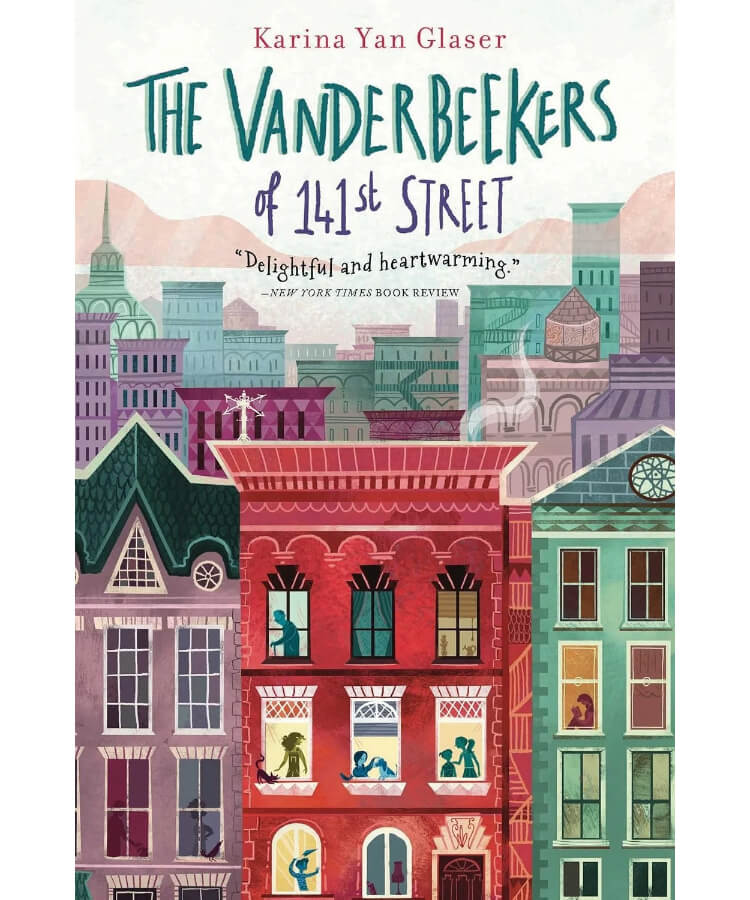
Five siblings learn that their grumpy landlord isn’t renewing their family’s lease on their Harlem brownstone and launch elaborate plans to save their home. It’s a gentler, sweet series that follows a big family with big personalities.
Best Chapter Books for 11- and 12-Year-Olds
Ages 11 and 12 are when readers often swing for the “big leagues,” as they tend to be less intimidated by longer books with more complex plots. But interests and reading stamina still dominate what this age group will actually pick up, so don’t sweat it if they’re still way more into graphic novels than a 12-book series.
As Umesi shared with me, we need to stop viewing graphic novels as stepping stones and value them for their depth, often hiding in plain sight.
Fantasy Books for 11- and 12-Year-Olds
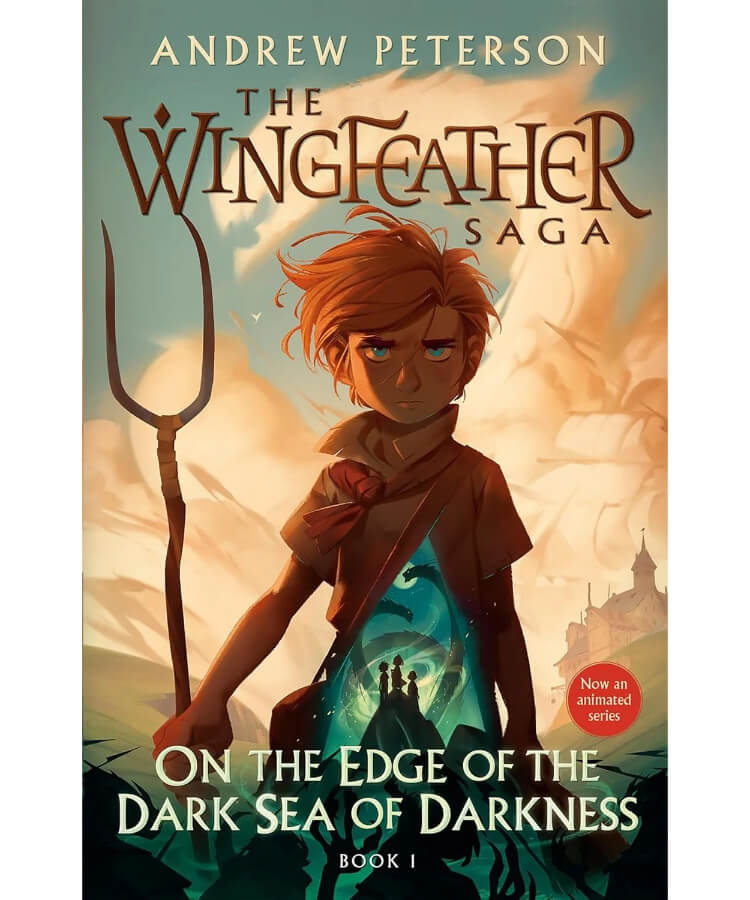
Four siblings are swept up in a sprawling fantasy involving monsters, secrets, kingdoms, and their own family’s hidden history. It’s funny, then increasingly epic and emotionally complex, making this a great series for kids ready for more.
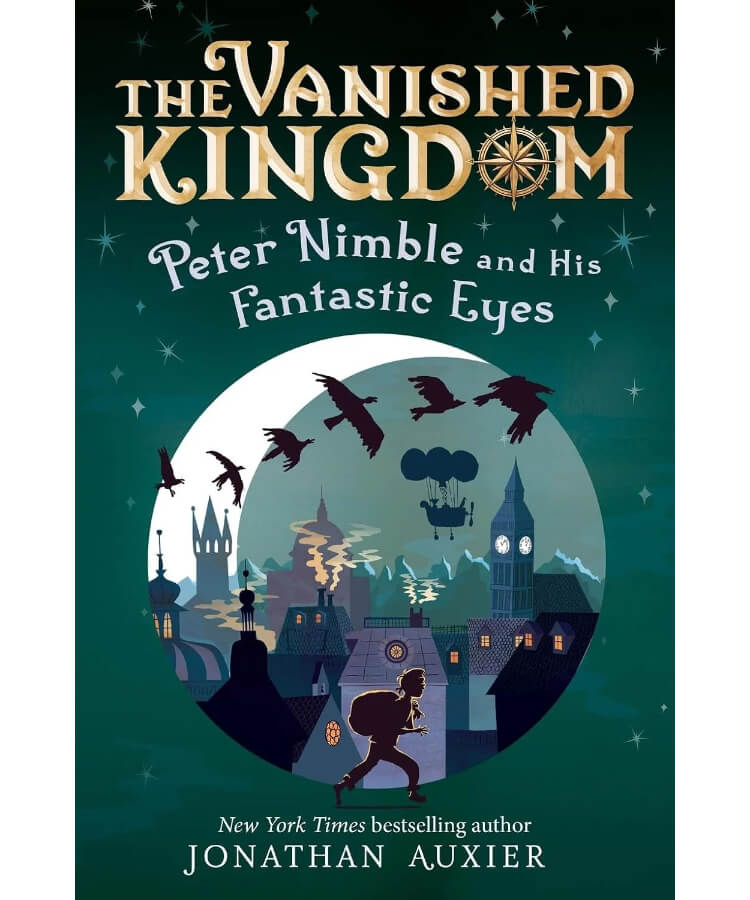
A 10-year-old blind orphan is trained as a master thief in this complex fantasy of twists and turns. This story is beautifully written, but it does become increasingly dark, which is why I recommend it for the older middle-graders on this list.
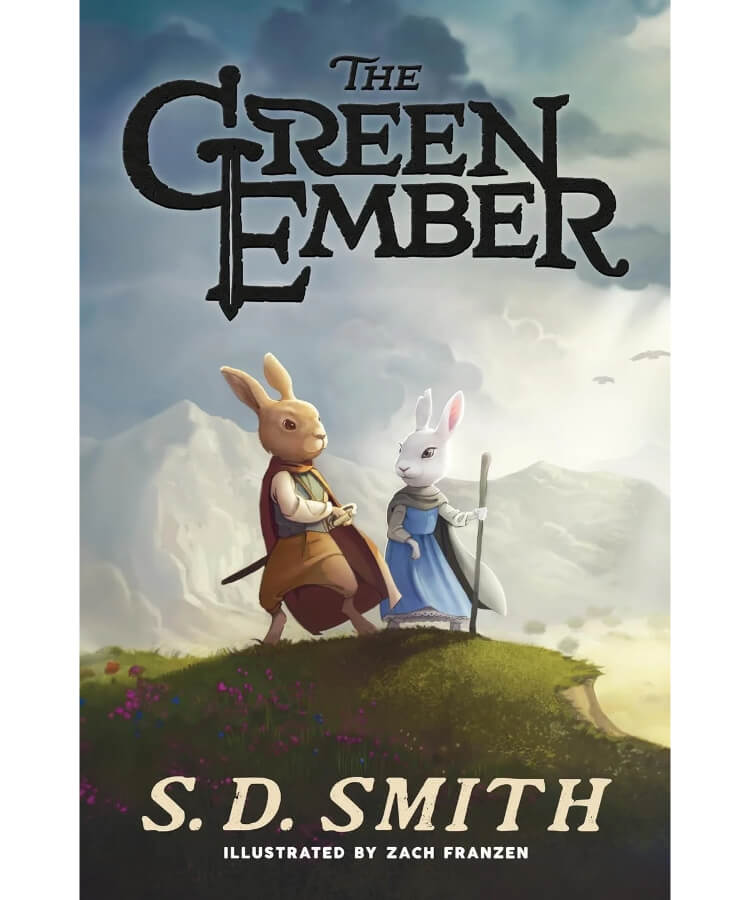
Heather and Picket are rabbits living in a war-torn, fallen kingdom. This dramatic animal fantasy has serious stakes and a bingeable series arc.
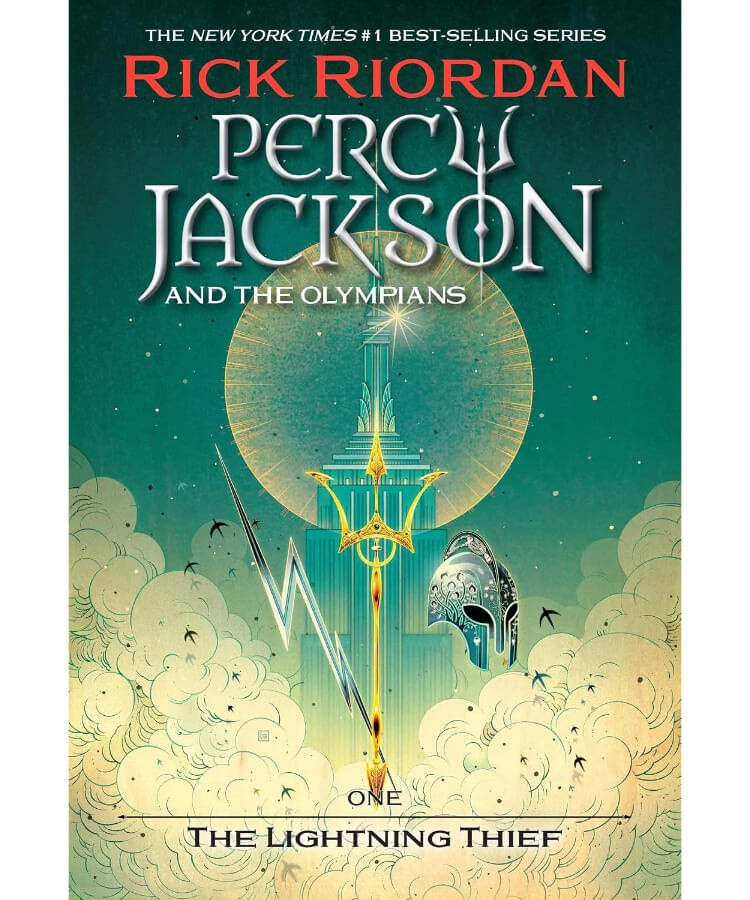
When twelve-year-old Percy Jackson Greek finds out that Greek gods are very much real, and that he’s the son of Poseidon, his life changes fast. On a quest involving monsters, mythology, and a stolen lightning bolt, this fast-paced story is a great gateway into a longer middle-grade series. My oldest devoured these books once he was ready for meatier reads.
Adventure and Mystery Books for 11- and 12-Year-Olds
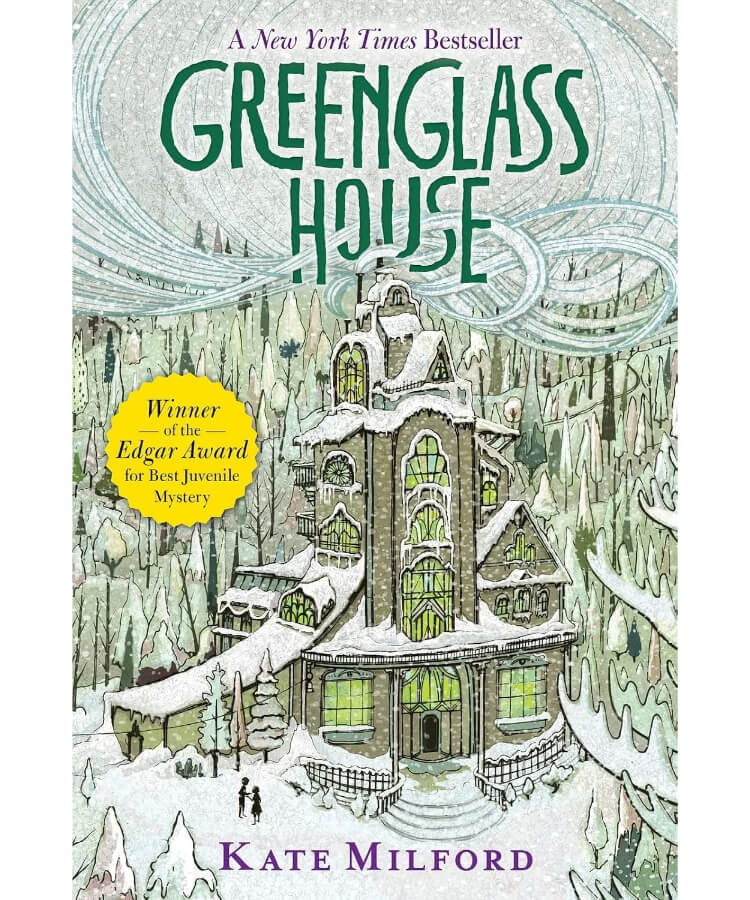
During what should be a quiet winter at his family’s inn, Milo instead meets an unexpected collection of guests that are each carrying secrets connected to the old house. It’s an atmospheric, twisty, and sophisticated novel sure to delight young readers who want more than a straightforward whodunit.
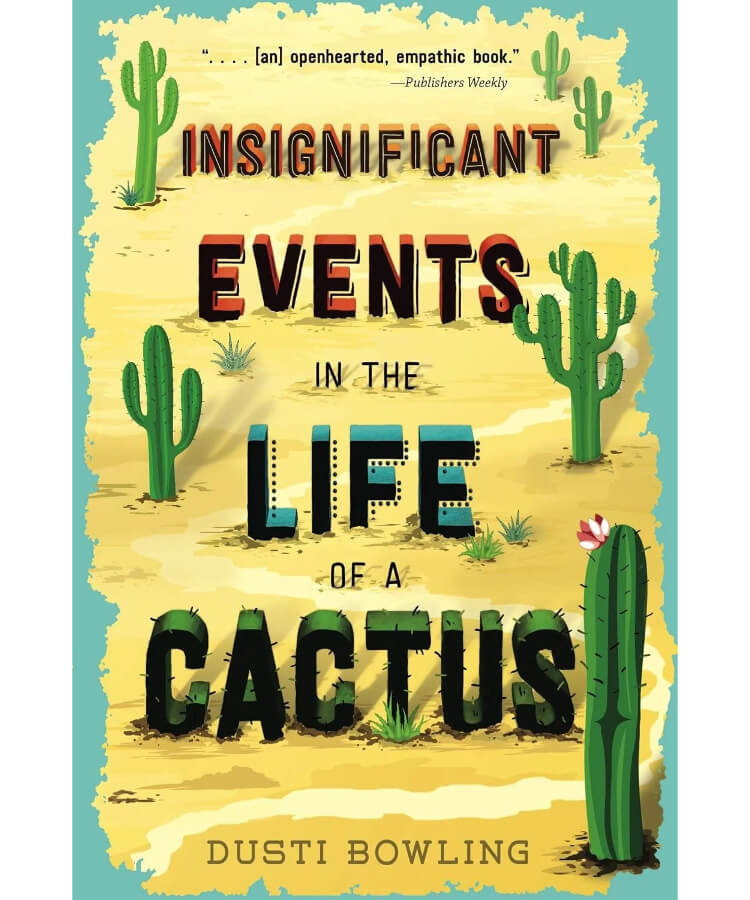
Aven Green isn’t particularly thrilled when her family moves to Arizona to manage a rundown Western theme park, but things start to get interesting when she and her new friends stumble into a mystery. Born without arms, Aven is funny, capable, and unsentimental about her disability. Plus, as an Arizonan myself, I’m always happy to see the desert get some literary love.
Historical Fiction for 11- and 12-Year-Olds
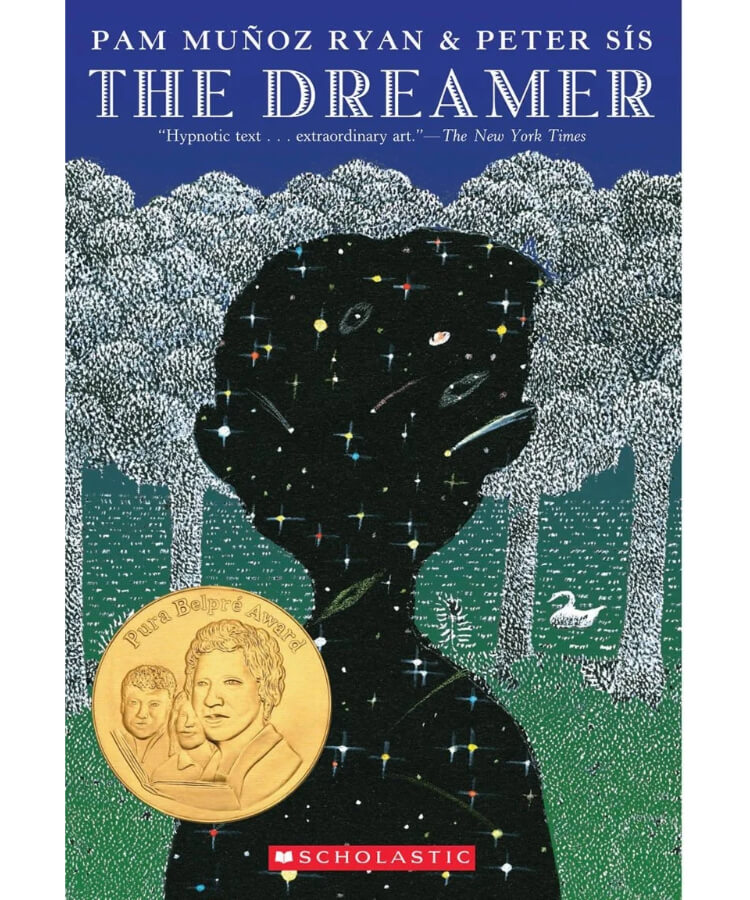
This fictionalized account of poet Pablo Neruda’s childhood is like poetry itself. A slower-paced story, it follows a sensitive, imaginative boy living under his domineering father’s eye in Chile. A perfect read for sensitive children who love beautiful imagery.
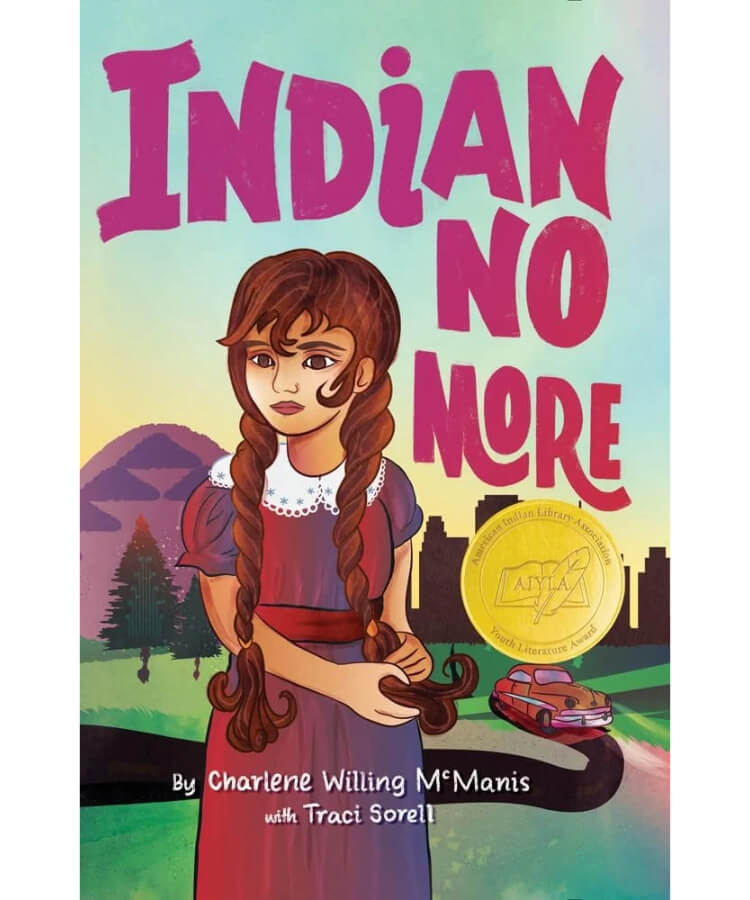
An Umpqua girl’s family is deeply affected by the government’s tribal termination policy of the 1950s in this important novel on an American history subject that doesn’t get enough attention.
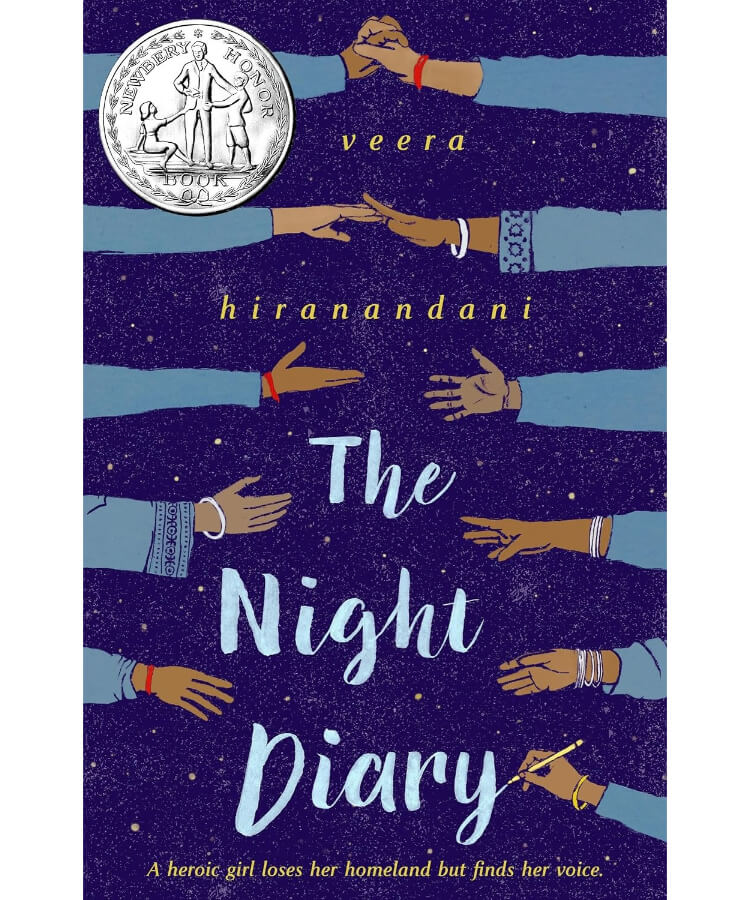
A 12-year-old girl writes letters to her deceased mother as her family is displaced during the 1947 Partition of India. History becomes intensely personal through the experience of becoming a refugee.
Realistic Fiction and Memoirs for 11- and 12-Year-Olds
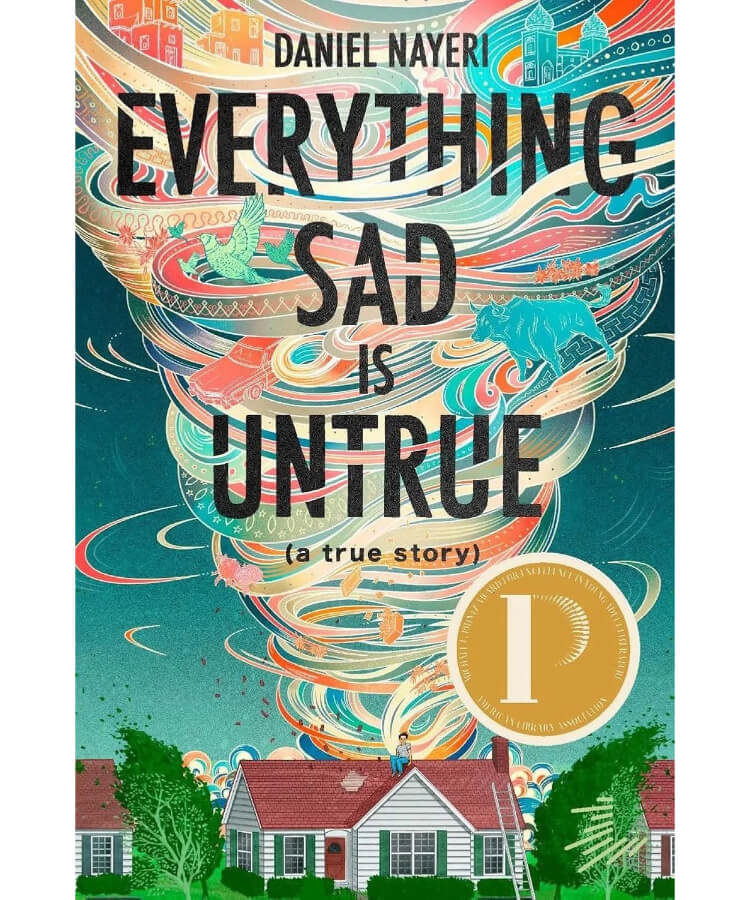
Daniel is a 12-year-old Iranian refugee living in Oklahoma who tells his classmates stories about his family, Persian history, mythology, and his journey to America. Based on Nayeri’s own childhood, I cannot tell you how many lines my son and I had to pause at just to admire their beauty. It’s one of those books ostensibly written for children, but one I’d recommend any adult read, too. Heads up: There is domestic abuse in this one.
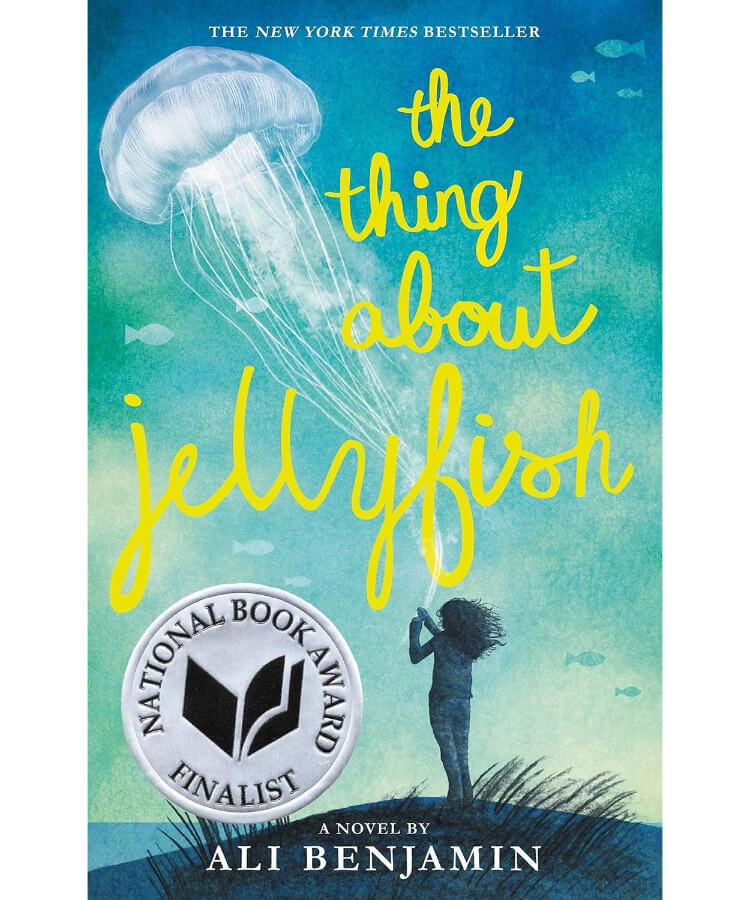
After her best friend dies, Suzy becomes convinced that a rare jellyfish sting must explain what happened, immersing herself in research. Grief, friendship, and science are closely woven in this lyrically powerful story for the more emotionally mature middle-grade reader.
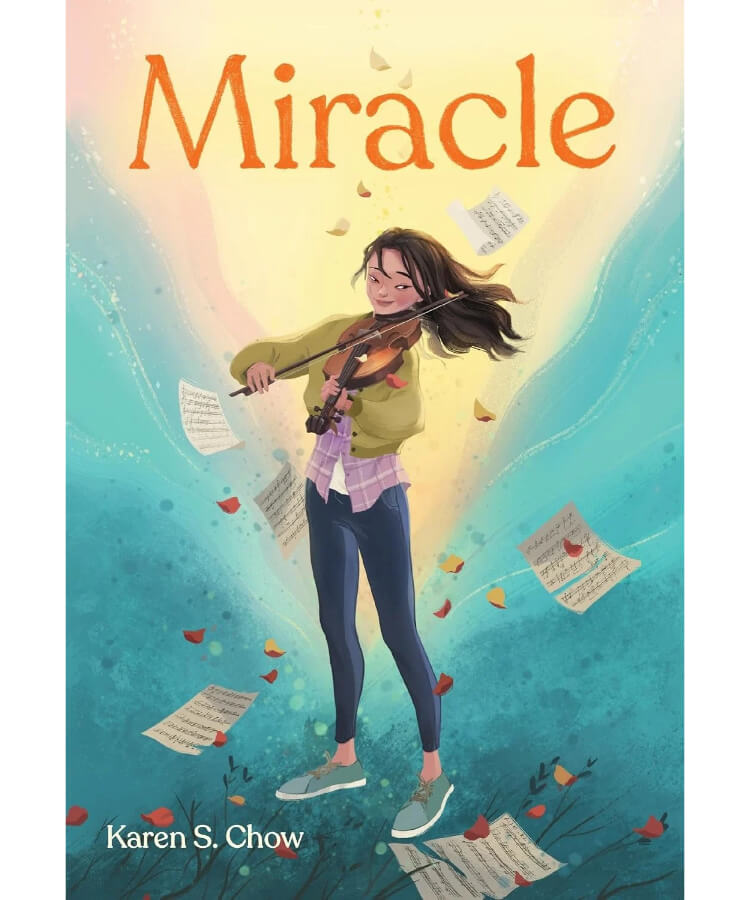
Amie is a violinist. But when her father passes away from cancer, she’s left with complex feelings toward the musical part of her identity. It’s a beautifully written book with themes of grief, creativity, and finding one’s way forward.
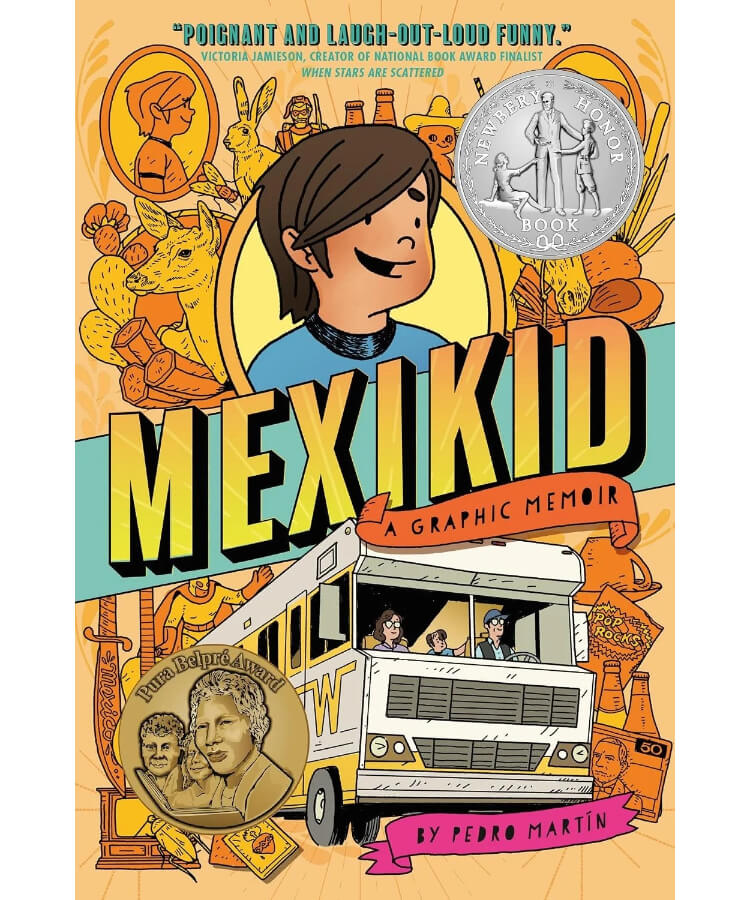
This graphic memoir is based on the author’s experience as a Mexican American kid who goes on an epic family adventure to bring his grandfather back from Mexico to live with his family. Since my own son is Mexican American, he really related to this one. It’s funny, colorful, with strong themes of family and the complexities of belonging to two countries and cultures. A perfect illustration of Umesi’s point about graphic novels.
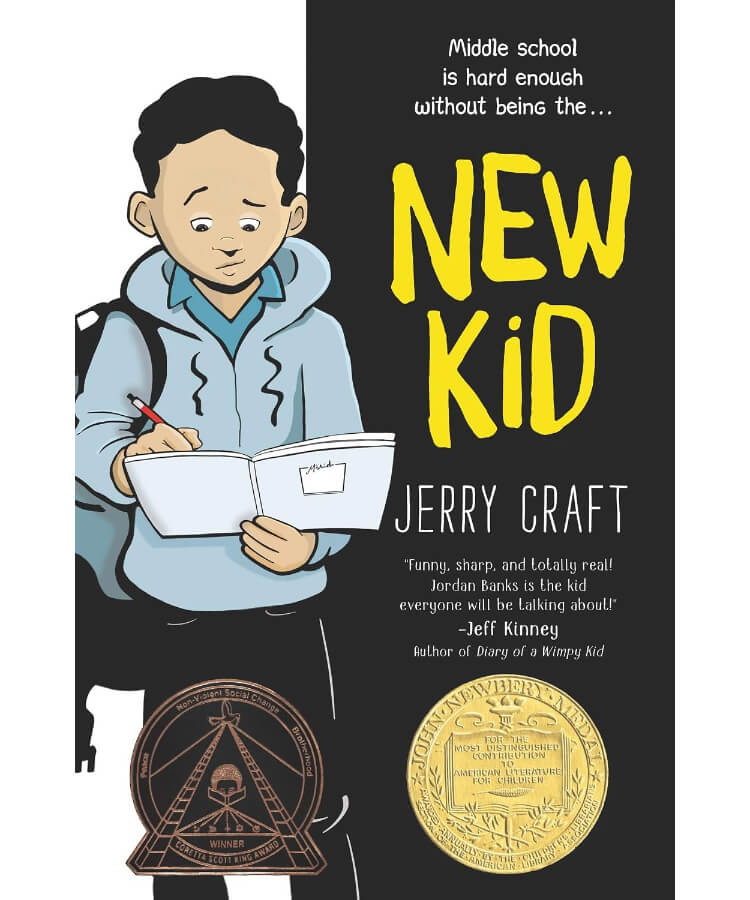
Jordan wants to go to art school, but his parents send him to a private school instead, where he’s one of the only kids of color. With themes of fitting in, friendship, race, and navigating different worlds, this graphic novel also proves Umesi’s stance.
More Challenging Books for 11- and 12-Year-Old Readers
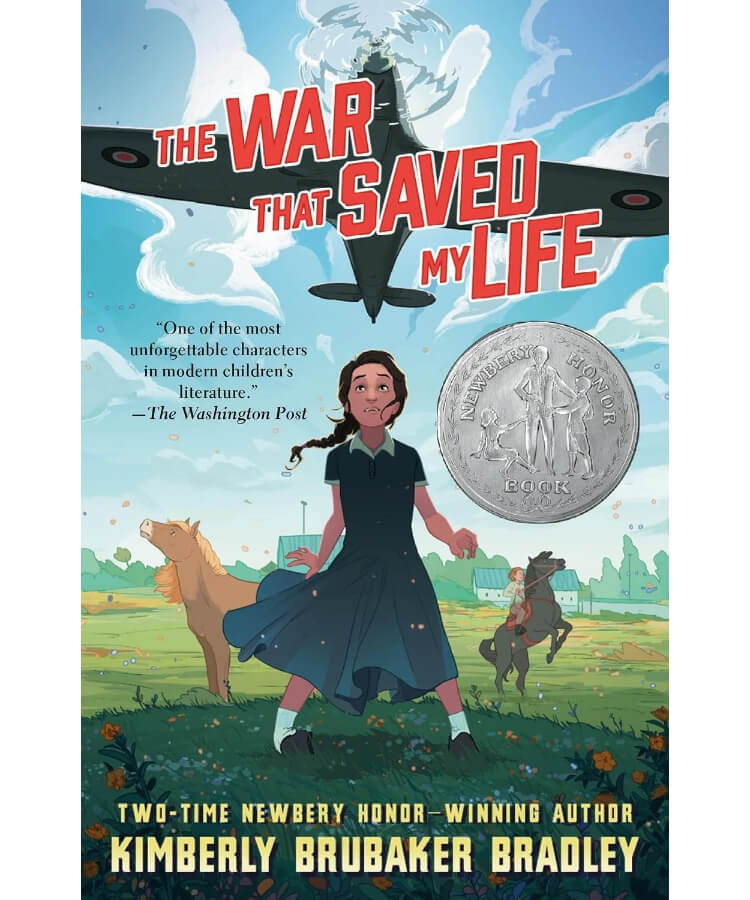
Ada, whose abusive mother keeps her hidden because of her clubfoot, escapes with her brother to the countryside during London’s World War II evacuation. This book is one of my all-time favorites, but it does have some heavier themes of abuse, rejection, and healing that parents may want to scan before handing it to their child. To me, this is a more emotionally advanced pick.
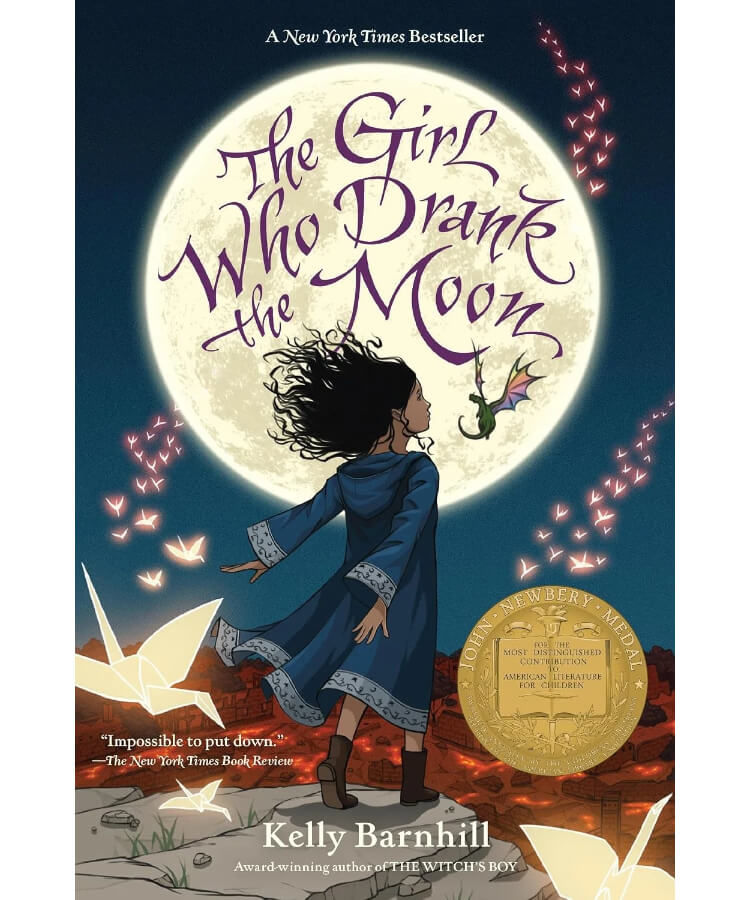
A 2017 Newbery Medal Winner, Barnhill’s The Girl Who Drank the Moon is a sweeping fantasy novel full of mystery, adventure, and dark prophecy. While the plot follows a young girl raised by a strange trio—a 500-year-old witch, a poetry-loving swamp monster, and a pocket-sized dragon—it ultimately teaches you an unforgettable lesson on the power of love in its varied forms.
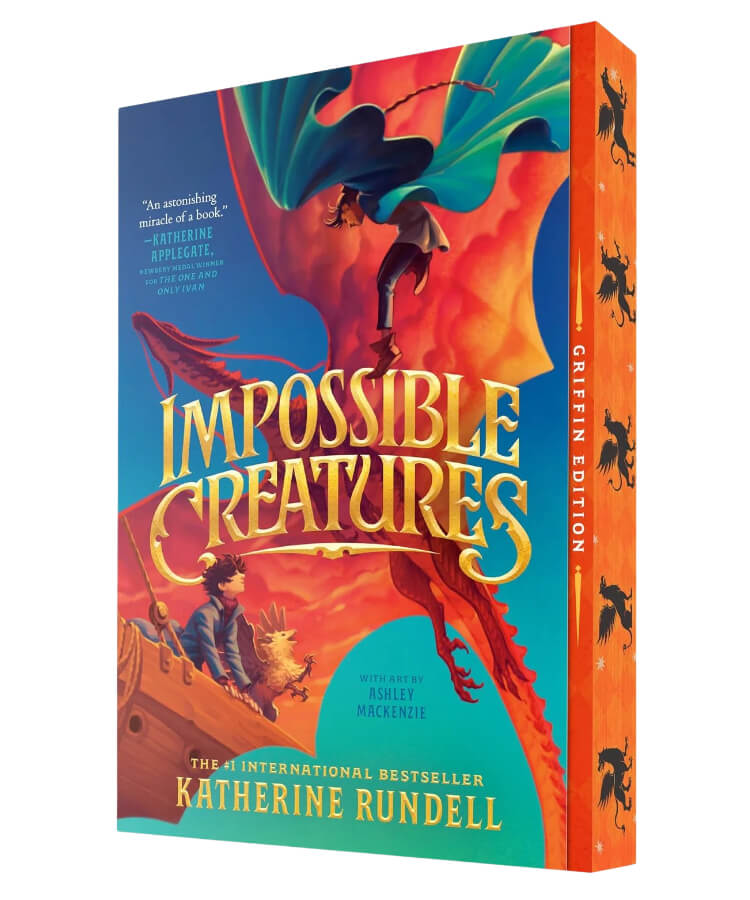
A boy is transported to a hidden world where mythical creatures exist. There, he joins a flying girl on a quest to save the world’s magic before it’s destroyed. It’s a big, immersive fantasy for kids who love a magical world, with an ongoing series, making it a fun addition to your TBR list.
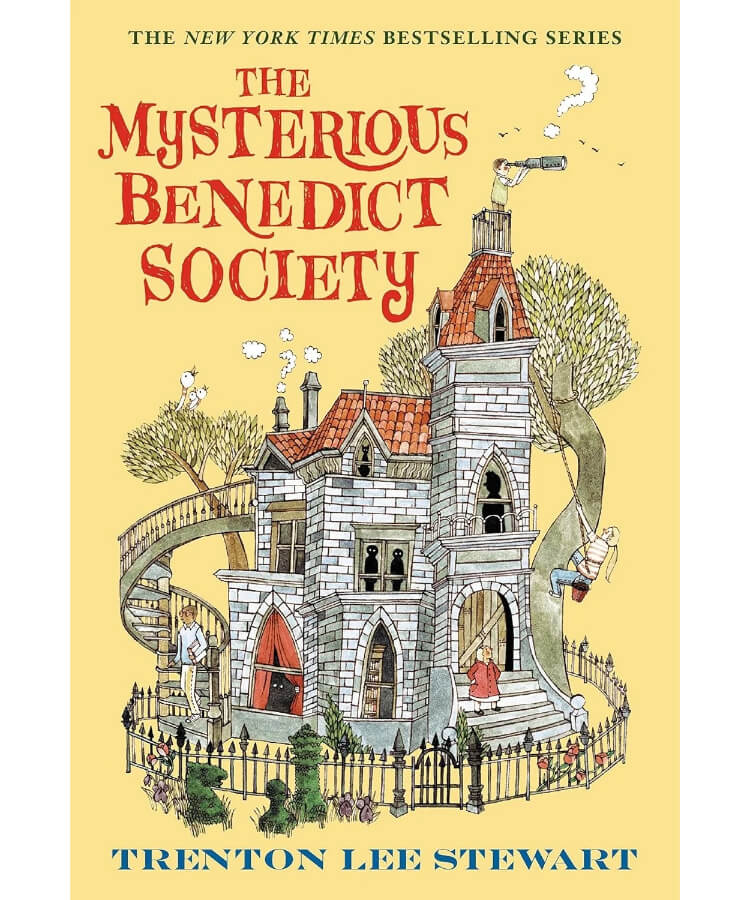
Four unusually gifted children answer a peculiar newspaper advertisement and are sent to stop a mysterious threat. The series is full of puzzles, codes, and quirky characters, but its substantial page count makes it best for readers ready for more.
FAQs
What age are chapter books for?
There’s no universal age. (As an adult, I still enjoy them!) But generally, kids start exploring them around second grade, with some starting earlier or later.
What are the best chapter books for a 6-year-old?
Look for short, highly illustrated chapter books with plenty of white space, such as Yasmin!, Mercy Watson, and Stella and Marigold.
What are the best chapter books for a 7-year-old?
Books at this age often center on a child’s interests, including funny, fantasy, mystery, and heavily illustrated books such as Dory Fantasmagory, A Fishboy Named…Sashimi, and The Lighthouse Family series.
What are the best chapter books for an 8-year-old?
Many 8-year-olds are ready for longer plots while still benefiting from illustrations and shorter chapters. I recommend trying Mindy Kim, The Shrew Detective: The Case of the Pilfered Pearls, Bodega Cats, and The First Cat in Space.
What are the best chapter books for a 9-year-old?
9-year-olds may be ready to tackle longer middle-grade novels in genres like fantasy, mystery, historical fiction, and humor. I recommend trying How to Train Your Dragon, Wild Robot, My Father’s Dragon, and Betsy-Tacy.
What are the best chapter books for a 10-year-old?
Look for books that match your child’s interests and reading stamina, including Paddington Bear, The Vanderbeekers of 141st Street, City Spies, and A Place to Hang the Moon.
What are the best chapter books for an 11-year-old?
11-year-olds can explore longer, more complex fiction, but the best choice still depends on the reader. Try Greenglass House, The Green Ember series, and The Night Diary.
What are the best chapter books for a 12-year-old?
Genres and themes come into play here, but consider Mexikid, Impossible Creatures, Peter Nimble and His Fantastic Eyes, and The Mysterious Benedict Society.
What is a good first chapter book?
A good first chapter book is brief and often heavily illustrated. The book titled Yasmin! is one that Hanlon and Umesi both recommended for transitioning readers. I also adore Mercy Watson.
How do I know if a chapter book is too difficult for my child?
A child may be able to read the words without comprehending what they are reading. That’s normally a strong indicator that they may benefit from a read-aloud or shared reading format.

Kris Ann Valdez, Contributing Writer
Kris Ann Valdez is a mom, children’s book author, and freelance journalist who covers parenting, lifestyle, and science-based topics. Beyond The Everymom, Kris Ann contributes to national outlets such as Good Housekeeping, Parents, and Scary Mommy. She is the author of the middle-grade novel Nathanial and the Worst Project in History of the Fourth Grade and is the creator of “The Guide Girl,” a Substack dedicated to inspiring writers to pursue publication.
