


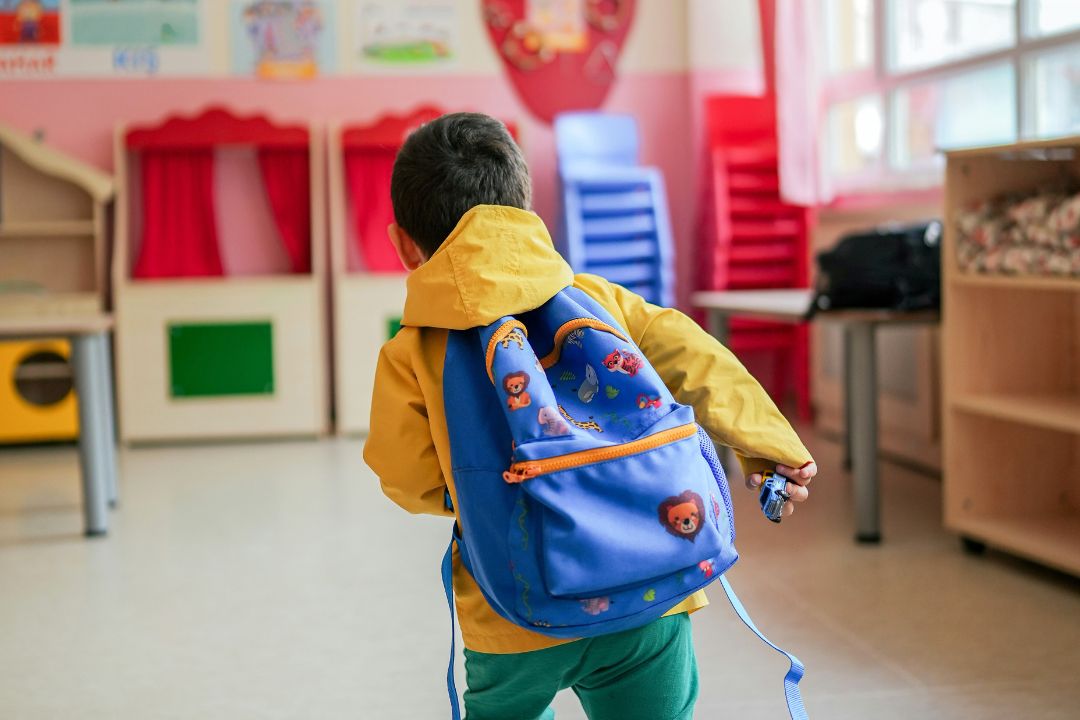
When it was time for my kids to start kindergarten last year, I anticipated that they’d be in for a challenging transition. Since they had only been in a half-day preschool program up until that point, I knew that the longer days would be tiring for them. I knew that learning their way around a new school environment, getting comfortable with an unfamiliar teacher, being forced to become much more independent, and making new friends would all take time. Because I was able to anticipate all this, I spent a lot of time thinking about how to make the preschool-to-kindergarten transition smoother for my kids.
But what I didn’t expect was how hard it would be for me to adjust. And I wish someone had warned me about this part: the preschool-to-kindergarten transition is often harder on parents than kids. It means less daily communication with teachers, more social effort to rebuild a school community from scratch, and adjusting to new norms like drop-off playdates. Here’s what I wish I had known about the preschool-to-kindergarten transition.
You May Also Like:
- The Hardest Part of Starting Kindergarten? Saying Goodbye to Daycare
- First-Time Kindergarten Parent? Teachers Share What to Expect
Preschool-to-kindergarten transition for kids
Here’s the thing: The challenges kids face as they transition from preschool to elementary school are fairly obvious. Parents may not know exactly how their kids will handle the adjustment (pro tip: expect some after-school restraint collapse), but for the most part, they can anticipate that starting kindergarten will be a bit of an ordeal for kids.
Preschool-to-kindergarten transition for parents
But as parents, we are less prepared for our own transition as we send our kids off to kindergarten. That’s why I think it’s important to prepare fellow parents for this—because if your experience is anything like mine, you’ll need to adjust to this new normal, too.
You may feel disconnected
You may feel disconnected during your child’s school day. Preschool meant I got to walk them right up to the door every morning. I knew exactly where they’d go and what they’d do all day. I could shoot their teachers a text at any point if I was worried about something, and they’d send over pictures each week.
One time, for example, one of my children was having a tough time with seasonal allergies, and I was able to pop in mid-day, offer them some comfort, put in their eye drops, and give my other child a quick hug as well.
Kindergarten was a constant reminder that they were growing up
You will need to learn to let go. Preschool felt like I was in constant communication and collaboration with my kids’ teachers. On the other hand, once they entered elementary school? It felt like once I dropped them off in the morning, I was essentially out of the loop until it was time to pick them up.
Because they were navigating a large school (as opposed to a tiny preschool I had visited so many times), I had a hard time picturing them at any given point in the day. That feeling weighed on me. It’s all part of the process of raising kids, of course. As parents, we have to get on board with the idea that we’re bringing them up to become independent adults, and that means letting go (and relinquishing control) a little bit at a time.
“As parents, we have to get on board with the idea that we’re bringing them up to become independent adults, and that means letting go (and relinquishing control) a little bit at a time.”
It got easier as the school year progressed. But even through the end of the school year, I’d feel like I was dropping off my kids each morning and sending them into a black hole of a day where I wouldn’t have all the details. That’s a scary feeling as a parent, especially for parents like me, who never sent their kids to full-day school or daycare and spent the majority of their kids’ first five-ish years with them at home.
Even for daycare parents, though, I imagine this shift will be noticeable: Daycare and preschool teachers definitely seem to have much more frequent one-on-one communication with parents. Elementary school teachers and parents, on the other hand, seem to mostly communicate via class-wide email communication (at least in my experience!).
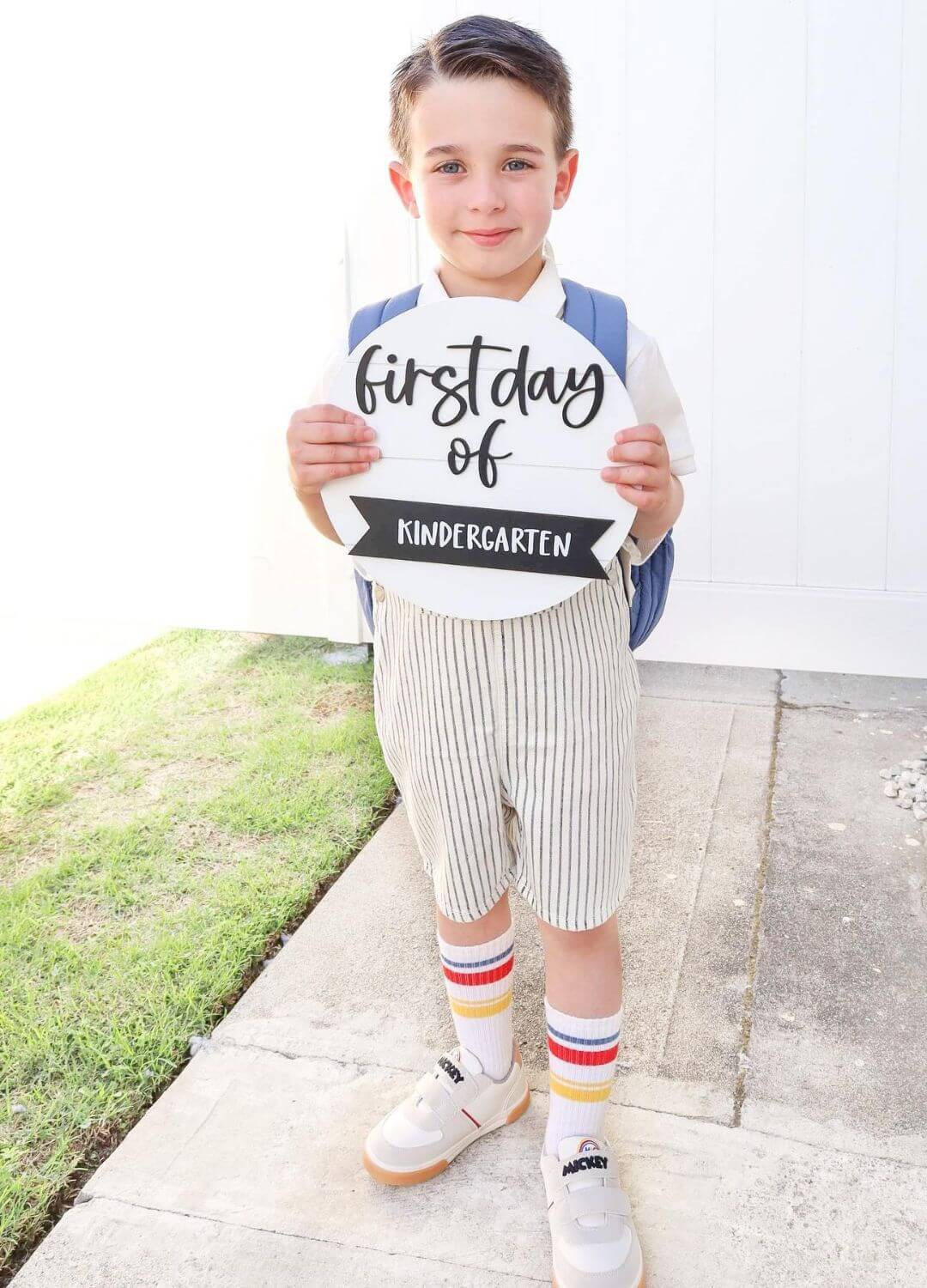
Adjusting to a new school is a family affair
Making new friends is not just for the kids. Of course, kids have to make new friends and grow comfortable with new people when they move to a whole new school. But what I underestimated was how much of a challenge this is for parents, too.
After two years at a small preschool, I knew all the other kids and their families. I felt like I had a social foothold, as did my children.
But when my kids moved to a new school, I was starting from scratch alongside them. Of course, this isn’t exactly a surprise. But I didn’t anticipate how much social labor would go into learning how to navigate this entirely new ecosystem.
Learning about my kids’ classmates, meeting their parents, coordinating playdates, managing birthday party invitations—it was a lot of new information. And then, on top of that, there’s meeting other parents, joining school committees, entering the PTO… Even just finding my way physically around a new school was disorienting.
Worried about small talk? Check out 35 conversation starters with other parents at school.
I had to adjust my expectations and rules for my kids
Discomfort is part of the process. Seeing how much more independent my kids grew during the kindergarten school year inspired me to implement a few more responsibilities to take on at home. But more challenging than that was figuring out my own comfort level with things like drop-off playdates and birthday parties.
In preschool, having parents stick around for those occasions was more of the norm.
In my experience, many kindergarten parties and playdates are drop-off events, which I am still not personally comfortable with. Figuring out that new etiquette and those new norms—and whether or not I’m personally ready to embrace them—has been a real process.

Final piece of advice for new kindergarten parents
If you have a child starting kindergarten, remember: It’s OK if this feels like a massive transition for you, too. People don’t talk enough about how disorienting, overwhelming, and abrupt the preschool-to-kindergarten transition can be for parents. It may feel like you and your children are thrust into this whole new world… and you have to navigate it while moving in separate directions.
The best piece of advice I can leave you with? If you have the capacity to get involved, do it. Being a room parent, volunteering frequently, and hosting all my kids’ classmates (and their parents) for their birthday party were so helpful in helping me learn my way around their new world.
Of course, volunteering frequently at school isn’t always a possibility for parents. I get that. But if you can make a bit of space in your schedule to get involved, your first year as an elementary school parent is arguably the best time to do it.
FAQs about the transition from preschool to kindergarten
Is the transition to kindergarten harder on parents or kids?
The preschool-to-kindergarten transition can be tricky for both kids and parents. Children are entering a new environment, meeting new friends, and learning new lessons and routines. At the same time, parents may struggle with their child’s burgeoning independence, building a new school community, and letting go of the “little years.”
Why do I feel so emotional about my child starting kindergarten?
Kindergarten is the start of your child’s long school career. It’s a big milestone that comes with new excitement and strong emotions—for both kids and parents. Mallory Steele, a kindergarten teacher in Delaware, says, “We are all nervous, your teacher too! We’re all new to each other, and whatever you are feeling is normal.”
How is kindergarten different from preschool for parents?
Preschool typically has smaller classrooms, more one-on-one parent communication, and shorter days. A full-day kindergarten means parents may feel disconnected from their child for a longer period during the day. Additionally, while preschool focuses more on children’s social/emotional growth, kindergarten is when academics and preparation for first grade begin.
How can I make the preschool-to-kindergarten transition easier?
To get ready for kindergarten, teachers and seasoned moms suggest visiting the classroom and meeting the teacher before the first day of school, if offered. Practice independence at home, like putting on their own shoes, opening lunch containers, and washing their hands after the bathroom. Start practicing their new routine ahead of the first day.
Little one heading off to kindergarten this year?: READ: 25 Fun Things To Do With Your Child Before They Start Kindergarten

Zara Hanawalt, Contributing Writer
Zara is a twin mom and freelance journalist with over a decade of experience covering parenting, women’s health, and culture. In addition to The Everymom, she’s written for outlets like Vogue, Marie Claire, Glamour, Cosmopolitan, Parents, Shape, Motherly, The New York Times for Kids, What to Expect, and many others. In her spare time, she enjoys reading, cooking, travel, watching TV, and trying new restaurants.
