


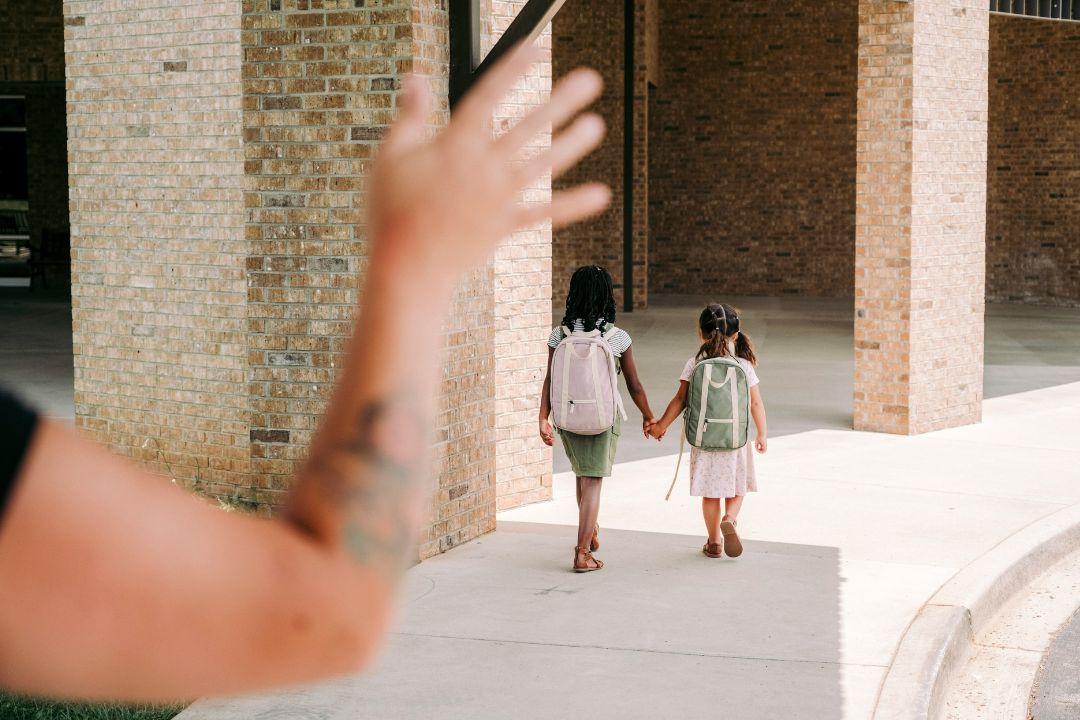
I didn’t expect my child to have back-to-school anxiety—but the signs were all there. The sudden tummy aches before drop-off, the tears at bedtime, the way they clung to me like their life depended on it. As moms, we want school to feel exciting and magical, but sometimes, it just feels overwhelming for our kids—and for us.
If you’re noticing your child struggling with the idea of heading back to school, you’re not alone. School anxiety is more common than ever in 2025, especially with all the transitions kids have faced in recent years. Whether it’s preschool, kindergarten, or a new grade level, that nervous energy can sneak in and make mornings tough.
The good news? There are gentle, effective ways to ease their worries. From building predictable routines to validating their feelings and practicing separation, here’s what’s helped me—and what might help you, too.
Signs Your Child May Be Anxious About School
Back-to-school anxiety doesn’t always show up the way you’d expect. Some kids cry and cling at drop-off, while others get quiet, complain of tummy aches, or suddenly have big emotions over what seems like “nothing.” With my own child, it wasn’t one big meltdown—it was the small, everyday resistance: refusing to put on shoes, saying they were “too tired” to go, or needing me to walk them in every morning, even after weeks of school.
Other signs could be any change in routines. If all of a sudden they’re sleeping in when they were early risers. Or if bathroom habits or eating habits change from one week to the next. These are all normal signs of anxiety in small children. For my kid it was regression when it came to potty training after starting kindergarten. For older kids it could show up as negative self-talk. Every child expresses anxiety differently, but if your gut is telling you something’s off, it’s worth tuning in. Often, these behaviors are your child’s way of saying, “This is too much for me right now.” And once we recognize it for what it is, we can start helping them feel safe and supported.
Start Talking About School Early
In the weeks before school starts, talk to your child about what to expect. Laura Petix, MS, Pediatric Occupational Therapist at The OT Butterfly, advises parents to help children become familiar with as many details about their school as possible. This includes showing them what the building looks like, from the playground to the inside of the classroom. You can see if there are photos on the school website, or better yet, visit it in advance.
“You can even ask your principal to set up a meet-and-greet with your child’s teacher before school starts if you think it would help,” suggested Petix. “Don’t be afraid to ask [if your school doesn’t offer it already].”
If a meeting isn’t possible, you can show your child a photo of their teacher. Then talk about what to expect from the school year.
Angie Rivero, a first-grade teacher based in Houston, Texas, explained that students learn through repetition and that it’s helpful to talk about school repeatedly with children to help them mentally prepare.
“It can feel a bit like you’re a broken record, but the constant repetition can really make a difference on the student’s first day,” said Rivero.
Practical Steps to Ease Back-to-School Anxiety

Have a Trial Run
When Rivero was growing up, her family actually had drills during the week before school started to help her and her siblings prepare. “We would wake up early, as if we had school that day, eat and dress in our uniforms, and walk to the bus stop. It helped us get used to the new wake-up times and get mentally ready for the year.”
In addition to running through the morning routine, you can walk or drive to your child’s bus stop or school with them to practice the commute. That will help you plan, too). Once you’ve determined how long it will take, make a plan that leaves padding for unforeseen hiccups. If you see that the trip is taking 15 minutes door-to-door, get up early enough to leave yourselves 20-30 minutes for at least the first week. That way, if someone forgets their jacket or needs a little extra time to talk through their worries, or if there’s bad traffic, it doesn’t derail the whole day.
Plan for Slow-Moving Mindful Mornings
Petix adds that you can use the morning to guide kids through a few self-regulation strategies. Some of these could even happen in the car. Like listening to calming music or playing a game of “I Spy” to engage the mind.
Beyond that, there are many mindfulness activities to try out with children. Belly breathing—the practice of taking slow, deep, thoughtful breaths for a few minutes—is great. These kinds of habits can help people at any age calm their minds and turn off the “flight or fight” instinct.
Keep Things Predictable
If your child has already been in school, Petix said it’s helpful to use the same supplies. Bring out the lunchboxes, water bottles, backpacks, and clothes that they’re already familiar with for the first few weeks.
“Starting a new class or grade is already full of so many new, unpredictable routines,” she explained. “You want the small daily routines to be as familiar and safe as possible.”
Rivero suggests that for very young children, it can help to put a nametag on them that lists their full names, teachers, and grade levels. That way, any adults they encounter—including support staff like counselors and volunteers—can easily help guide them throughout the day.
Ease Separation Anxiety
If your child has expressed worries about being away from you, Petix recommends packing a photo of you in their backpack. A small note in their lunchbox is another easy connection tool. You could even wear matching bracelets that remind you to think of each other during the day.
At the same time, remember that it just takes some kids time to get used to their new surroundings. A good friend of mine was dismayed when her son initially hated daycare. He cried, it disrupted his sleep, and she momentarily doubted her decision. But within weeks, he was thriving. Having a bad first day or even month doesn’t necessarily mean that your child won’t learn to love school.
“Having a bad first day or even month doesn’t necessarily mean that your child won’t learn to love school.“
One caveat is that if your child is extremely or chronically anxious, it could be an indication that more intervention is needed. Your pediatrician is a good place to start if you have questions or would like a referral to a specialist.
Take Care of Yourself, Too
Children are very sensitive to their parent’s emotions. When you’re having back-to-school anxiety, your kids might sense that and feel uneasy. It’s easy to pour all of your energy into your kids. Remember the metaphor from the airplane safety announcement: “Buckle your life vest before assisting others with theirs.”
If there’s anything you can do to manage your stress, trust that having your emotional needs met will have a positive impact on the whole family. Whether it’s going to bed earlier, seeing a therapist, asking for more help from your spouse/co-parent, or something else.
Rivero urged parents to be patient with themselves and their kids. In her experience, most families tend to have a relaxed structure during the summer. That might make the first days especially hard. “The school days may be tiring at first, and that’s OK. Little by little, they will get used to the school structure.”

Annie Atherton, Contributing Writer
Annie is a mom and writer covering parenting, culture, women, and work. In addition to The Everymom, her writing has appeared in The Atlantic, The Washington Post, the BBC, Insider, Seattle Magazine, The Seattle Times, Travel+Leisure, Romper, and Scary Mommy. She’s particularly interested in questions of how people can design their lives and traditions in accordance with their values.
