

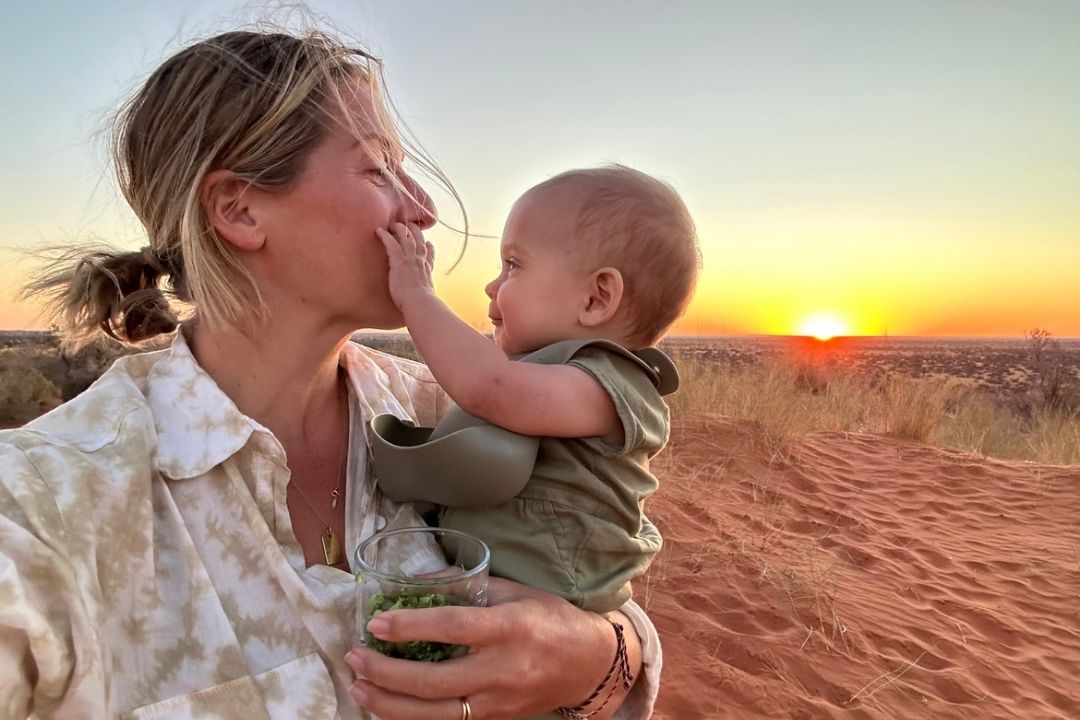
Recently, I reminded my nearly 5-year-old daughter that next month we’d be seeing her favorite animal, elephants, on a family vacation in Kenya. “Really!?!” she exclaimed, totally amazed. Instantly, I launched into my memory of the first time she saw a herd of them when she was 3 and a half. “I don’t remember,” she replied.
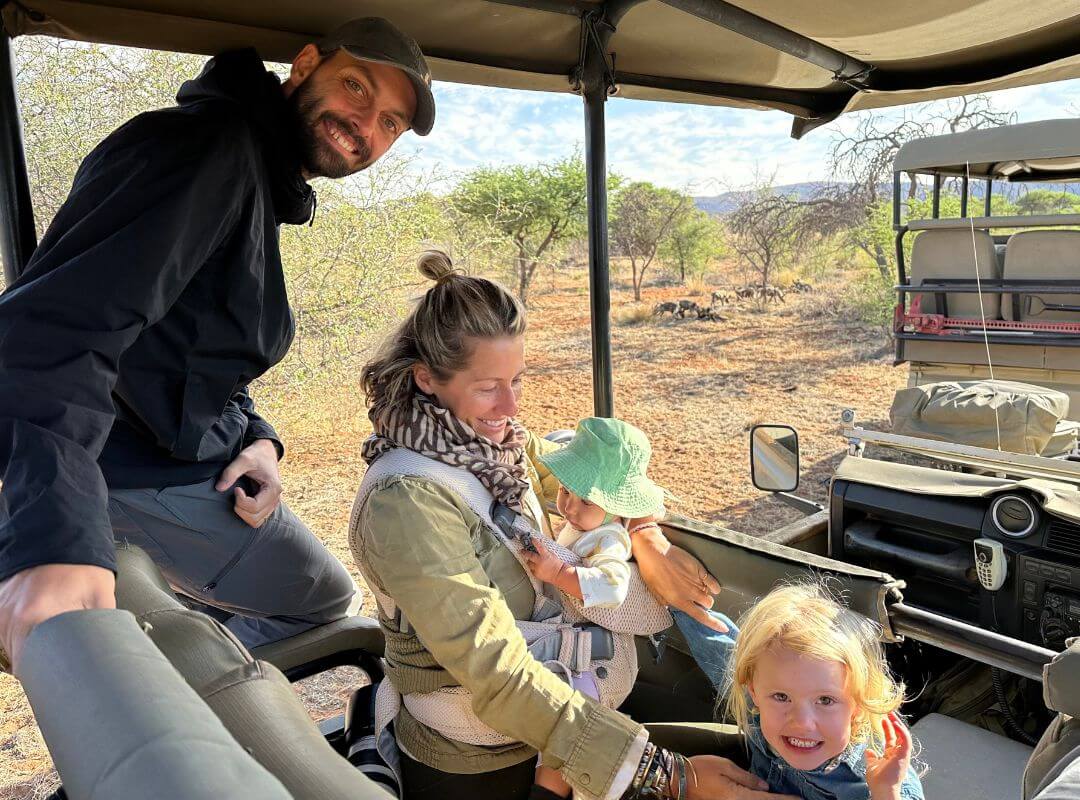
I won’t lie: her brutally honest admission was a tad disappointing. My little girl had been so beyond thrilled, so in awe, and so in the moment—I have videos to prove it. And this is a child who remembers many teeny, inconsequential moments with unsettling clarity. Yet, somehow she forgot real-life elephants. Oddly, she remembers other parts of that South African trip, like being gifted a stuffed giraffe by our guide after she accidentally forgot her best stuffed friend, Paradise the elephant, in the vehicle overnight. Seemingly, there’s no rhyme or reason to her recall, which totally fascinates me.
You May Also Like:
- A Mom Shares Her Best Tips for Flying with Babies and Toddlers
- 7 Hotel Hacks for Traveling With Babies and Kids From a Travel Writer
- How to Create a Family Travel Bucket List for Every Age
What do young kids remember?
Memory is a wacky thing. Science tells us that kids younger than 3 or 4 don’t really form memories—a perfectly normal phenomenon known as childhood or infantile amnesia. When I ask our oldest, Indah, her favorite place in the world we’ve been, she says Japan every time. But having spent just two weeks as a 3-year-old there, it’s hard to tell what impressions have actually stuck beyond her happy association with gobbling shrimp and salmon nigiri (and in the process making her parents very proud).
“Science tells us that kids younger than 3 or 4 don’t really form memories—a perfectly normal phenomenon known as infantile amnesia.”
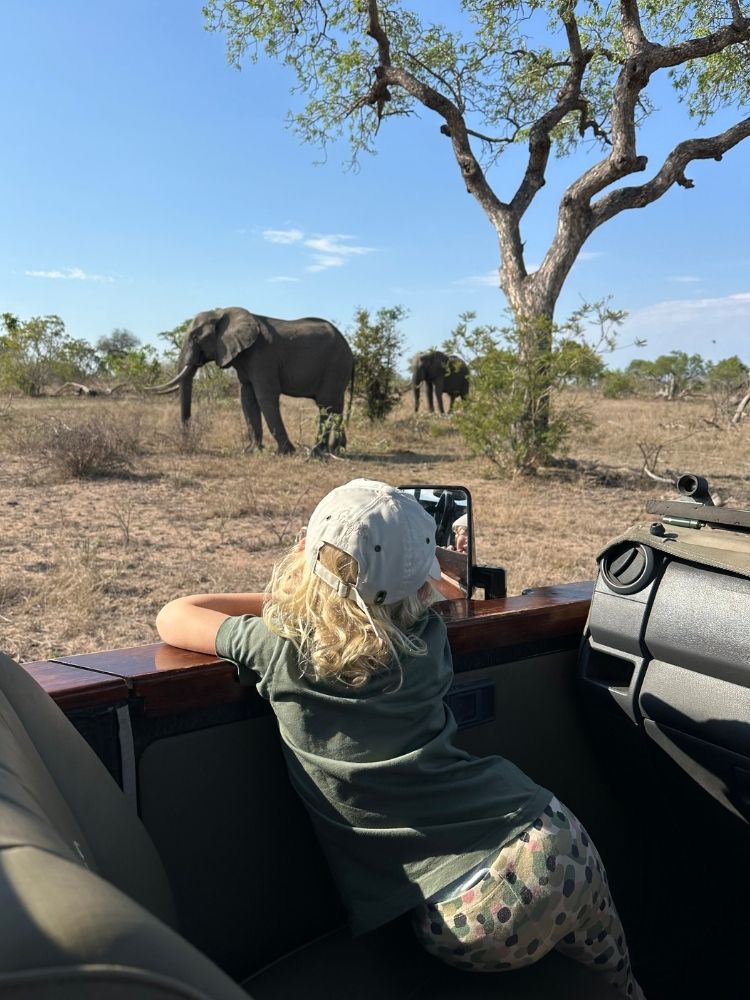
But maybe it doesn’t matter, because that trip constantly left her wonderstruck—one of the most joyful and easily recognizable kid states of all. It was the same last fall when I watched our then–20 month old toddler, Mira, feed herself sweet corn, sample frog legs, and roll balls of sticky rice in her tiny, pudgy palms and pop them in her mouth while dancing in front of a glowing temple in Nan, Thailand. It was one of the most gratifying experiences of my life. She won’t remember a thing, of course, but I will never, ever forget what felt like the most magical melding of my travel writing career and motherhood.
Shifting the mindset on family vacations with young children
Early infancy and childhood are full of things our kids won’t remember later, but that matter. Being snuggled skin-to-skin, being fed, being smiled at, having diapers changed, being read to, being sung to, learning to sit, then crawl, then walk, then run. They won’t remember the first time they really saw the moon, or a sunset, but they’ll likely be mesmerized by them for many years to come.
Their brains are highly plastic and impressionable, so even though we can’t recall early experiences, they affect our behavioral and emotional development in a big way. It’s one of the reasons I think it’s critical to get out there early: to see, taste, hear, and try things, building up a tolerance and even enthusiasm for new flavors, languages, smells, and traditions.
“They won’t remember the first time they really saw the moon, or a sunset, but they’ll likely be mesmerized by them for many years to come.”
Your toddler might be picky at home, but who knows what might happen on the road—it changes every day anyway, you might as well experiment a little. There’s obviously plenty of hassle and cost associated with family travel, but doing so with tiny humans is also absolutely, mind-numbingly incredible, and the benefits way, way outweigh the cons.
Child psychologists and neuroscientists agree. A shift in mindset helps: Think of it not as a vacation when they’re under 5, but as a serious investment into their futures, personalities, and biases (or lack thereof, hopefully!). Plus your personal memory bank, which, to someone as sentimental as I am, is no small thing.
Why I travel with my kids before they remember it
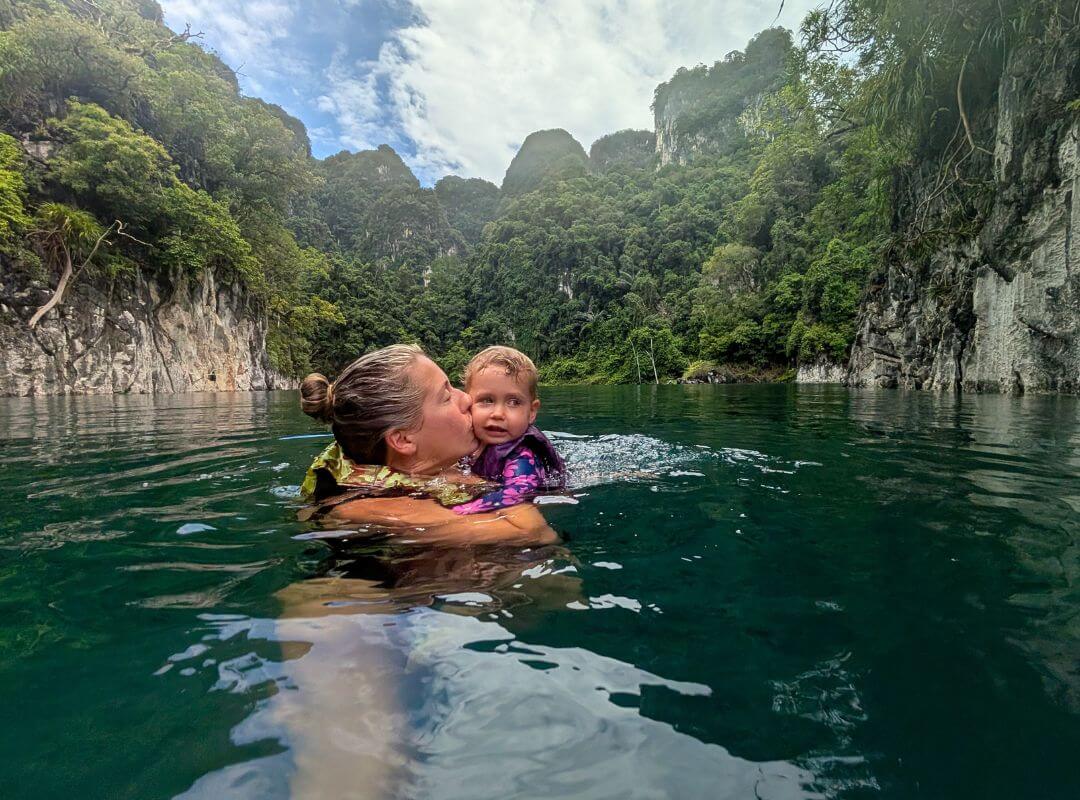
As a travel writer, I’ve incorporated my daughters into almost all my journeys these last five years. I’ve watched as these exploits sparked joy, stimulated their imaginations, taught them new skills, and expanded their minds. In these precious, tender early years, their world views are being shaped—mine right alongside them. They’ve helped me see and experience the planet with fresh eyes and perspectives. Travel lays the groundwork for who they will become and how they’ll interact with others in the future. As I see it, it’s a gift that will keep on giving, making them more interesting, confident, and also, very likely, more loving adults.
We only get so many years before our tiny people are big, grown, and embarrassed to be seen with us. So why would we spend them in the slog of normal life, letting the days meld like Play-Doh into one big blur, when we could be sticking unforgettable pins in our kids’ timelines, marked by places, tastes, and sights that are novel, exciting, and so formative for us all?
It’s actually good for their brains
Between 2 and 3 years of age, toddler brains show immense neuroplasticity, a remarkable thing that increases our ability to learn by helping make new neural connections. Fun fact: Toddlers have twice as many of these, also called synapses, as adults. For them, environmental inputs actually reshape the brain. Travel, especially when novel and atypical experiences are involved, stimulates this process in a big way, resulting in rapid rewiring, intense learning, language skills, and development.
“Travel, especially when novel and atypical experiences are involved, stimulates [making new neural connections], resulting in rapid rewiring, intense learning, language skills, and development.”
Washington State University neuroscience professor Jaak Panksepp discovered two systems of the limbic brain that are especially heightened when a child is traveling away from home: the play system and the seeking system. When activated, they release oxytocin, dopamine, and other happy neurochemicals that help the child’s frontal lobes grow and mature, improving social intelligence and cognitive function.
According to English child psychotherapist Dr. Margot Sunderland, vacations are “brain fertilizers” that can help raise IQ. Family travel, she’s written, can help little ones regulate stress, build concentration, and increase their attention span. “So, spend time exploring together in a new space, and you’re making your child smarter,” she wrote. Sensory development, too, is another huge plus of exposure to new textures, smells, and feelings.
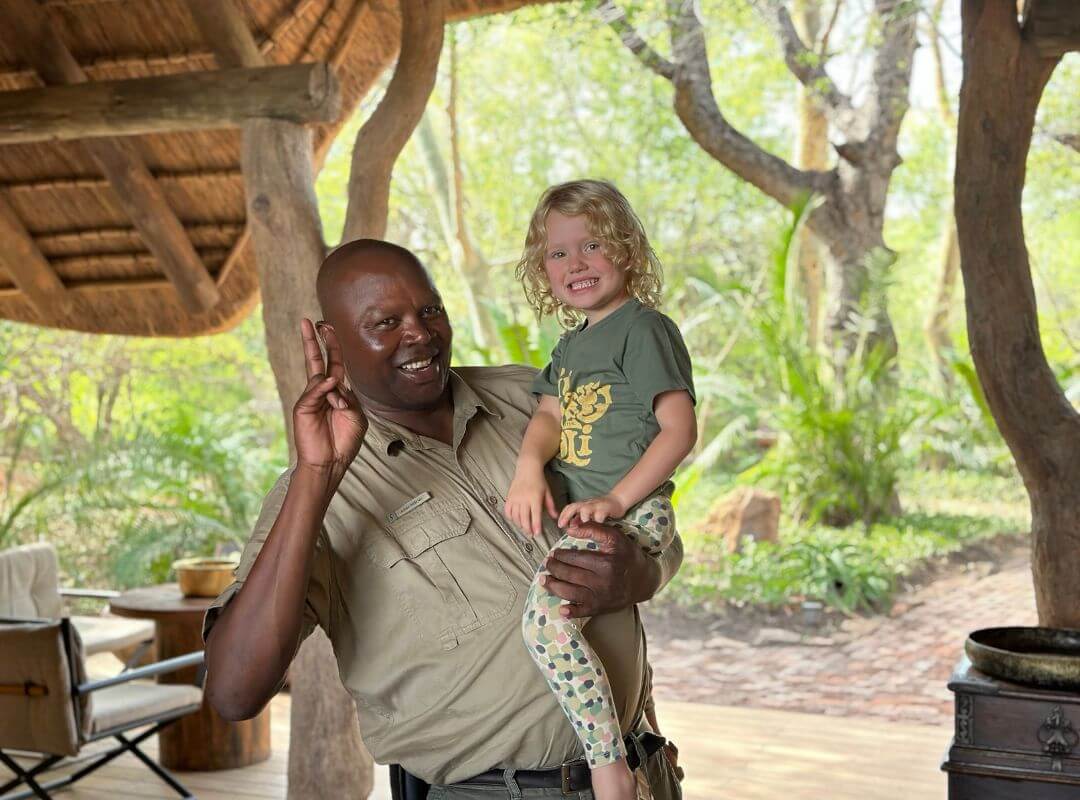
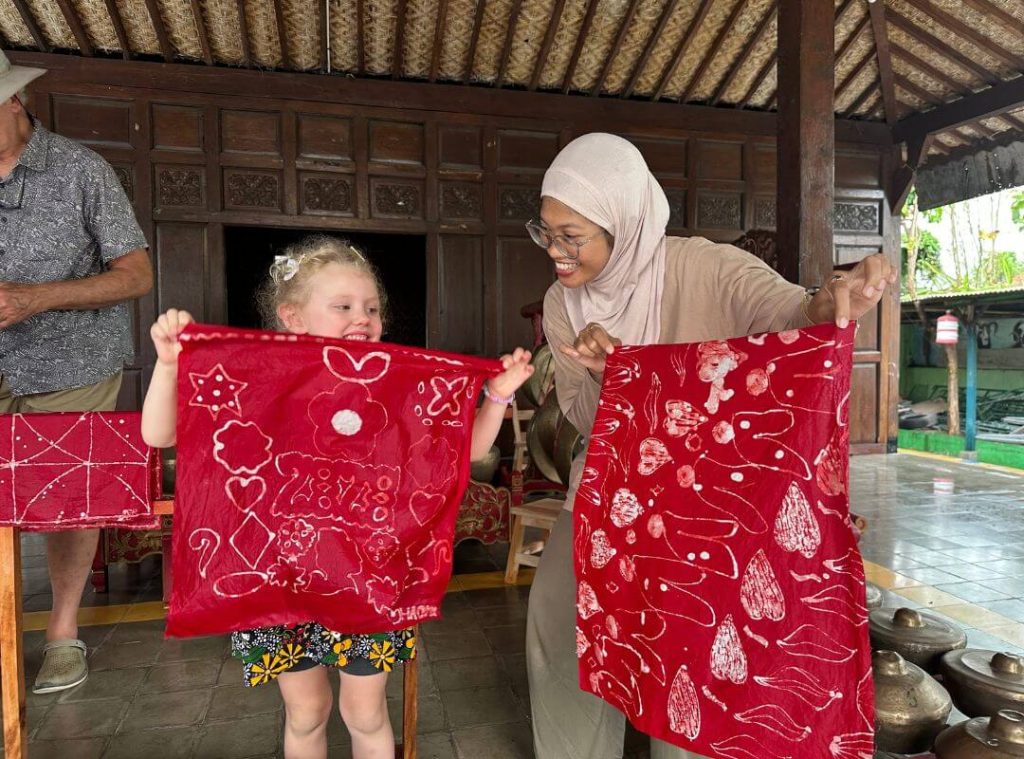
A funny side effect of my girls’ frequent travels is that they have a high comfort level with adults, yet they are occasionally shy with peers. We travel internationally more than most because we’re based in Southeast Asia, but traveling anywhere outside a child’s normal daily range can have the same positive effect. It’s been a trip watching Indian men snap their fingers in front of my daughter’s face, Japanese school kids stop to say hi, South African babysitters bundle them onto their backs tied with a towel or sheet, and Indonesian women ask for selfies. They stay chill through it all.
Learning tidbits of other languages as we travel is also rewarding—it’s so exciting to locals in a place to hear a little person attempt to say “hello” or “thank you” in their native tongue. Thanks to their plastic brains, these phrases are relatively easy for them to pick up. Do I expect them to always retain them? Definitely not. But the fact they’re learning that people speak differently all over the world and that accents are normal, not weird, is what matters.
I acknowledge that, as the kids of a travel journalist, my daughters may have had more international travel opportunities than many of their peers. But without even needing a passport, families can venture to a part of their country where English isn’t the dominant tongue to test out new language skills.
Travel helps them view people of all colors as safe and worthy of respect
This, in today’s world, is probably the biggest thing for me personally. I feel we have the opportunity—and duty—to raise a new generation of people who baseline believe in and steadfastly stand up for equality, love, respect, and justice for all. When I see my girls in the arms of adults of all races and cultures, playing with kids who look differently from them, and talking with people in other countries, it fills me with such optimism.
They don’t know it yet, but this exposure to different races and cultures early is actively helping prevent unconscious racial bias. It’s wiring them not to fear or stress—even on an unconscious level—when they see someone who doesn’t look like them, according to my friend Alex Nashton, host of the fascinating neuroscience podcast Mind Over Grey Matter. Our kids are remarkably open, and I truly think most are to start with. Children aren’t born with prejudices; they learn them—or don’t. Traveling from an early age doesn’t engender fear; it creates curiosity. Without sharing a language, religion, skin color, or culture, my girls play with others, subconsciously understanding that deep down we really are all the same.
“Children aren’t born with prejudices; they learn them—or don’t. Traveling from an early age doesn’t engender fear; it creates curiosity.”
With so many tragedies in the country and world stemming from xenophobia, I often think about how badly we need this tiniest generation to travel. Whether it’s to another country or simply another part of the country, it’s important that they appreciate the diversity of this planet—and find our differences thrilling.

It fosters adaptability, patience, and flexibility
Who doesn’t want their child to have these attributes? They make operating as a human being a lot easier. In our experience, flexibility and patience are learned by being stretched beyond the normal home routine—sleeping in new beds in new spaces, surrounded by new smells, with different levels of light, and maybe even strange sounds.
When our girls were infants, we always took a used crib sheet with us so they’d have one consistent comfort of home. With the exception of sleep regressions, they’ve always been impressive sleepers, and we give credit to the influence of hundreds of hotels they’ve now slept in. Even the jet lag and time differences are not as jarring early in life.
It may improve their behavior
Babies, toddlers, and young children are like sponges; they soak up whatever is around them, especially behavior, good or bad. As soon as our youngest turned 2, she began repeating or trying to copy literally everything her big sister did.
Every child is different, of course, but people are always remarking how well-behaved our kids are, on airplanes, in museums, restaurants, hotels, and other grown-up environments. And I credit a lot of it to what they’ve observed in other parts of the world. We reserve screens for scheduled downtime at home. While out, we expect our kids to participate and talk—or babble—with us as we eat together at restaurants, take tours, or walk through cities. This seems far more common in other countries than in the U.S., and it makes a strong impression.
It broadens their palates
For us big people, so much of the fun of travel is eating and drinking. And it can be for our little ones, too. Indah remembers the time she tried—and loved—squid, on pizza nonetheless, but she couldn’t tell you where (Mozambique). For us, the fact that at 3 and a half, she added an adventurous new food to her “will happily eat” list was awesome.
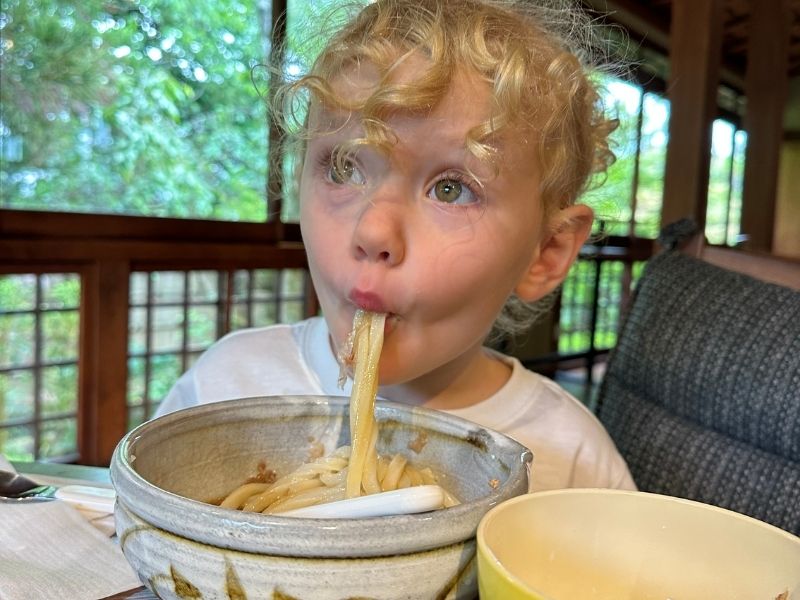
And the uni donburi (sea urchin!) she obsessed over trying in Japan after reading about it in a kids’ book called Can I Eat That? She has no recollection of tasting it, but the other day asked if she could try uni donburi when we’re in Japan next. “But you didn’t like it before,” I said. To which she replied, “But that was when I was 3. Now I’m almost 5, so I might like it now.” How great is that attitude?
It helps build even stronger family bonds
Dr. Samantha Fish, a clinical psychologist in the UK, believes that being exposed to new places safely while on holiday with their primary caregivers allows children to build confidence and learn how to cope in new situations. When traveling, it’s not only more time we spend together, it’s higher quality time—and that makes a big difference.
Generally speaking, there is more presence, less stress, and more play with a sense of discovery, novelty, and adventure. Without the grind of daily routines getting in the way, there’s more opportunity to bond closely as a family and develop even more secure attachments. As they have new experiences and learn side by side, travel supplants the typical power dynamic of parents teaching their kids.
“Without the grind of daily routines getting in the way, there’s more opportunity to bond closely as a family and develop even more secure attachments.”
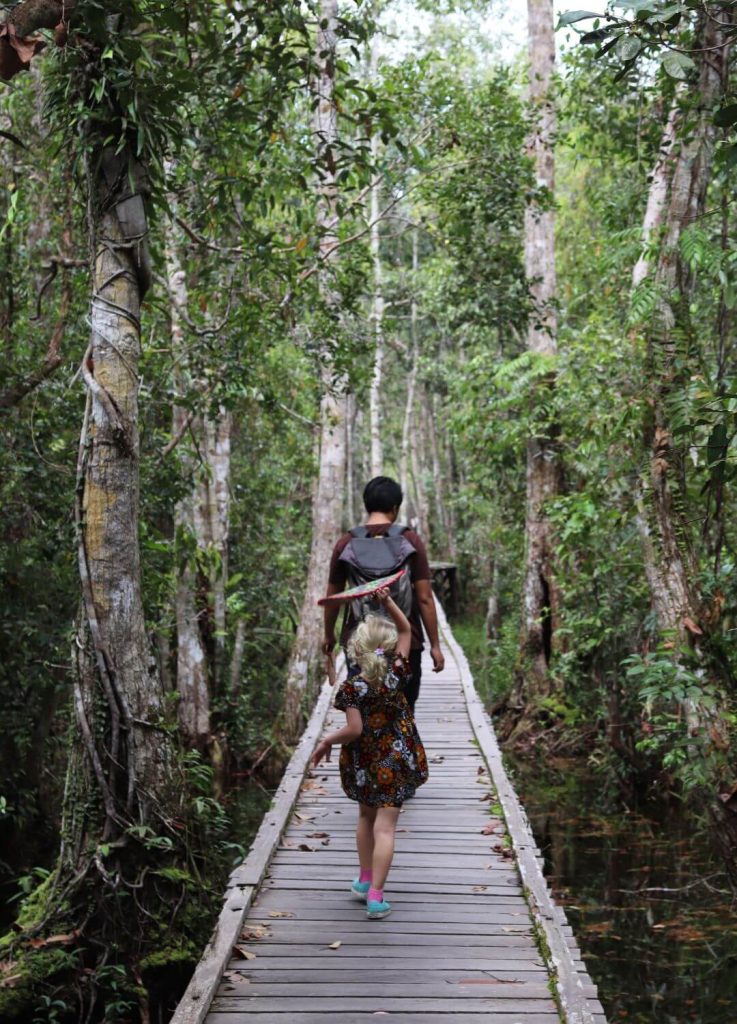
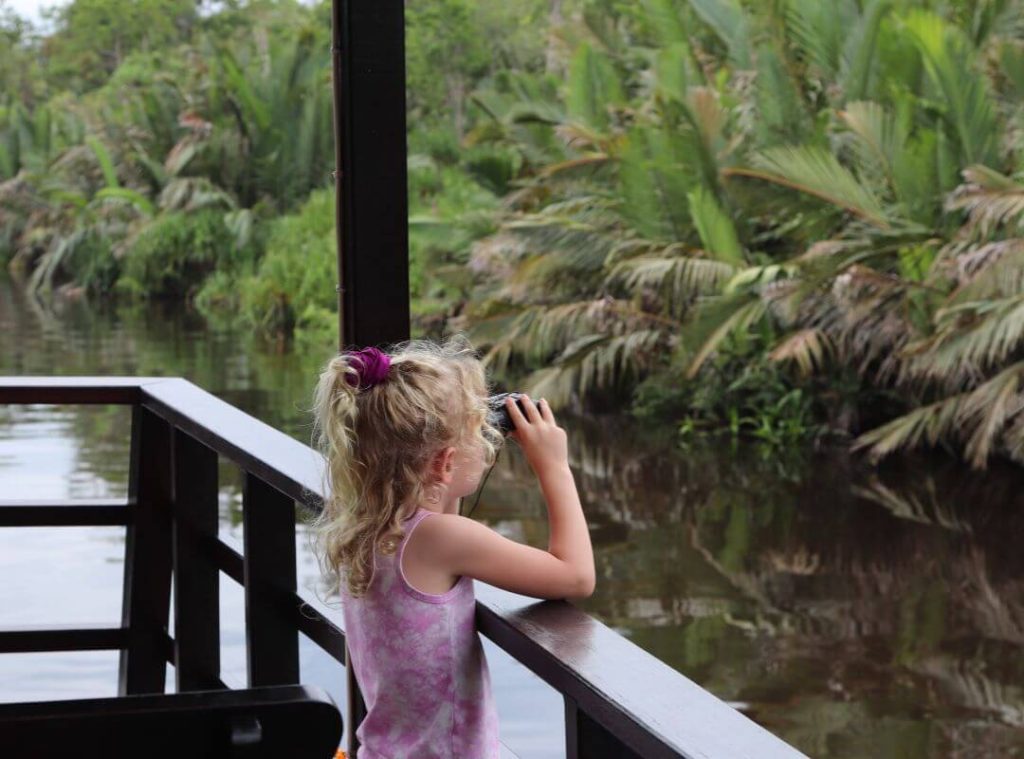
I also believe early childhood is a great time for multi-gen travel. I recently invited my dad on a river cruise in Borneo to see orangutans. It was memorable and super special for him and his 4-year-old granddaughter, who fastidiously documented everything in her own way with colored pencils on a paper she called her “information card.” I prioritize us traveling with my parents because even though my daughters’ memories of their time together might not stay crisp, I think their presence is a feeling that will stay. Beyond that, it’s invaluable for the grandparents who view every interaction—every “first”—as absolutely priceless.
It produces a lifetime of storytelling opportunities
Whether it’s wandering through cobbled bougainvillea-shaded villages on a Greek isle, slurping noodles in Vietnam, feeding giraffes in Kenya, or strolling through an ancient Japanese city populated by deer, as the parent, I will shamelessly admit: most of these memories are for us. My husband and I are the people putting so much love, time, and effort into raising humans who will grow into fulfilled, thriving adolescents and adults.
“I will shamelessly admit: most of these memories are for us…the people putting so much love, time, and effort into raising [our children.]”
I am banking on the absolutely absurd amount of photos I take, helping keep my own memories intact as far into old age as possible. I’m relying on them to keep alive these fleeting days, months, and years that indeed go way too fast. And I imagine that my treasure trove of digital files will be fun and fascinating for my girls as they grow. Maybe they’ll want to hear the stories they represent.
In a way, we do get some say in what they do and don’t remember by choosing what stories we tell over and over. For example, our oldest is obsessed with hearing about when her 10-month-old flatulence scared away a mama and baby rhino we were watching graze. She finds it absolutely hilarious and will probably “remember” it forever. We encourage them to draw things we’ve seen or done while traveling, which recently resulted in an amazing and hilarious likeness of a giant Buddha from a Burmese-style temple in Malaysia. And I make calendars, puzzles, and books (love Artifact Uprising for this) using the most indelible images, which also jog all our memory banks.
It makes repeat travel even more memorable
Returning to places as they age is another chance to layer fresh memories over old, hazy ones, the combination of which sticks better. After several years, we returned to the South African wildlife reserve where Indah had frightened the rhinos, and were reunited with the jovial child minder, Sanha, who had so sweetly cared for her as a baby. Some part of our daughter remembered and felt safe with her, and their re-connection was immediate, strong, and affectionate.
So while shared travel experiences might not translate to literal recollections, they surely create lasting feelings while shaping POV and personality. For me, Disneyland can wait until they’re a bit older. But right now is the time for trips that fascinate and help us grow—all of us.

Kathryn Romeyn, Contributing Writer
Kathryn is a world-traveling journalist, author of Rizzoli’s The Bucket List Romantic Escapes: 1000 Ideas for Couples’ Adventures, Lovers’ Getaways, and Out-of-this-World Honeymoons, and former magazine editor working and living in Bali, Indonesia, with her family, including two young daughters. Her writing is regularly featured in Architectural Digest, Conde Nast Traveler, AFAR, and Travel + Leisure, among other publications.
