


It’s that time of year—room parent selection season. If your kid’s school is anything like mine, the competition is fierce. It seems like every mom (and many dads) want the coveted room parent position. And if you’re lucky enough to become the room mom for your child’s class, you’ll really want to knock it out of the park.
As a fourth-time room mom, I’ve found it one of the most rewarding ways to get involved in my child’s school, plus an easy way to stay connected to my kids during the school year. Here are my tips for how to be a good room mom, from tips for party planning and teacher gifts, communication best practices, and how to build an inclusive, and welcoming classroom community. Plus, how to avoid burnout as a classroom parent. Yes, really!
You May Also Like:
- I Was Class Parent Last Year—Here Are the Pros and Cons of Volunteering
- Wondering How to Talk to Other Parents at School? Try These 35 Questions
What is a room parent?
First, what is a room mom? And what does a room parent do? A room mom is a volunteer who acts as a liaison between their child’s teacher and the other parents in the class. And it’s not always a mom. Room parents (aka class parents) can be any parent or caregiver, from dads to grandparents.
But before you even throw your hat in the ring for room parent selection, ask your kid if it’s something they’d be OK with. Many kids, especially older ones, might be embarrassed seeing their parents come into school or volunteer in their classroom. And some littles who are just getting used to being away from their parents during the day may not be able to handle seeing mom at school during the day. (I’m looking at you, kindergarten moms!)
Room parent duties
Room parents facilitate communication between the teacher and families, help organize classroom parties, facilitate volunteers for classroom needs, parties, and field trips, and manage the collection of funds and/or gifts for the teacher’s birthday and holiday gifts.
Getting started as a room mom
Picked as your child’s room parent? Congratulations. In many schools, this position is extremely hard to get. It’s kind of like the Hunger Games, back-to-school version. (Kidding!) Here’s what to do next:
Meet with the teacher
Schedule a meeting with the teacher early to understand their preferences and boundaries, plus what events they’ll likely need help with during the year. It’s also helpful to get an idea of what the teacher wants help with versus what they’d rather handle themselves.
I take copious notes during this meeting, put notable dates on my calendar, and reach out to the teacher well in advance of these dates to set up help in the classroom or with gathering supplies so I’m fully aware of what the year looks like.
Many schools also release a list of each teacher’s favorite things, dietary restrictions, or preferred way to be shown appreciation. Use it! And if your school doesn’t provide, this could be something to ask the teacher in your initial one-on-one meeting. Use these fun printable questionnaires to gather and share your teacher’s favorite restaurants, stores, treats, etc.
I also always ask for the teacher’s cell phone number during this meeting if they’re willing to share. When you have a quick question, a text is so much easier than an email to their teacher-issued account. But remember not to overuse their number. This isn’t for personal check-ins on your kid. It’s to make the teacher’s life easier, which is a big part of how to be a good room mom.
Introduce yourself to the other parents
Another part of your room mom duties is setting up a class list of parent emails, cell phone numbers, and who their respective children are. Many schools will do this for you and provide the list. Finally, send a class-wide email introducing yourself. A few communication tips for first-time room moms:
- Always BCC the list: not everyone wants their contact easily accessible.
- Introduce your co-room parent, if applicable.
- Include your contact information

Communication best practices for room parents
As a room parent, you’ll likely be in charge of communication between your child’s teacher and the rest of the parents. Be professional, yet warm in all your communications. Never mention specific children, illnesses, or behavioral issues occurring in the classroom (yes, even lice or the stomach bug.)
Keep messages concise, clear, and not too frequent. Be responsive, but don’t feel like you have to get back to every parent immediately. Handle fundraising asks, whether for classroom needs or teacher gifts, tactfully. For example, at my children’s school, requests for teacher gifts are always optional, and any collected items or teacher gifts are from the entire class, regardless of who did/did not contribute.
Lastly, don’t use your room parent contacts for social purposes, like birthday parties. This is a big no-no. It’s also wise to watch what you say on social media on your personal pages, especially regarding your opinions on teachers, disciplinary policies, events, or anything else regarding the school. Save that for happy hour with your mom friends.
How to plan classroom parties and events
Another important part of your room mom duties will be planning classroom parties or events. You’ll likely already have an idea of what events will occur during the school year, thanks to your meeting with the teacher.
In advance of each event, check with your teacher about needs for a specific classroom event, like a holiday party. You’ll probably need to collect snacks, decor (think, plastic tablecloths and napkins), and activities.
How to manage volunteer signups
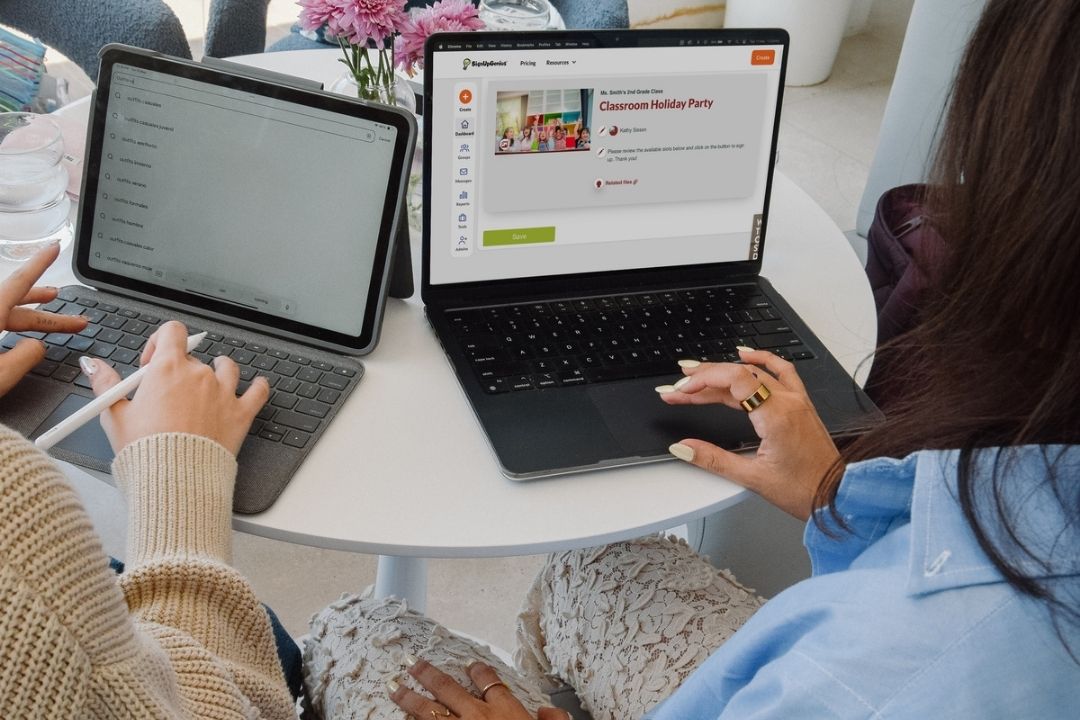
I like to create a SignUpGenius about a month early and send it out to the class list. (Again, don’t forget to BCC!) That allows parents who may not be able to volunteer day-of a chance to get involved. Fun fact: You can use SignUpGenius both for gathering donations and volunteer slots. When it comes to snacks, keep in mind allergies and dietary restrictions, and note that many schools only allow store-bought goodies.
As a room parent, you’ll likely be in charge of engaging other parent volunteers. Sometimes, you’ll have a class where more parents want to volunteer than you have spots. Other times, you may have very few, if any, parents want to help. In the first instance, I like to keep track of who has volunteered in the past, and ask them to hold off on signing up until other parents who haven’t been in the classroom have gotten to volunteer.
Another tip I utilized? Only send time-sensitive emails, like those asking for volunteers, after traditional working hours. That way, all parents have equal opportunity to sign up.
Best school party games and activities for kids
When it comes to planning a class party, choose games that are easy to set up and clean up, can be completed in less than 10 minutes (as kids will often rotate stations), and that are inclusive. Here are top mom-tested and kid-approved classroom party games and activities:
Interactive games
- Toilet Paper Mummy: kids race to wrap up their classmate in toilet paper (can also use green crepe paper and bows for a “Decorate the Pine Tree” race for the winter party).
- Pin-the-Nose on the Pumpkin: Hang the silly pumpkin face on the whiteboard in the classroom. Children will take turns being blindfolded, while the parent helper spins them, and the kiddos attempt to pin the nose on the smiling pumpkin.
- Monster Eyeball Spoon Race: Make two teams within your group. Kids will take turns carrying the eyeball on the spoon as they race back and forth. Children must pass the spoon and eyeball to the next person on their team. The team that finishes first without dropping the eyeball wins the game.
- Witch Hat Ring Toss: Make two teams within your group. Set up the witch hats (three hats and three rings per team) and then place the children a challenging distance away. The two teams will compete against each other and each child will get their turn attempting to toss three rings on the three witch hats. Keep track as a team how many rings you land on the witch’s hat. The team who lands the most rings upon the witch’s hats wins the game.
- Fishing for Candy Canes: Using candy canes, a wooden dowel, ribbon, and a bucket, kids can “fish” for their candy cane prize.
- Reindeer Ring Toss: Choose a student or yourself as the one designated “reindeer.” Set up the “reindeer” a challenging distance away and each child gets three rings to throw. The one who gets the most wins a prize.
- Winter-Themed BINGO: If edible treats are allowed in your child’s classroom, you can use silver Hersey’s kisses as the markers so each child has a treat to take home.
- Prize Punch Board: If feeling extra crafty, create a prize “punch board” with cardboard, cups, tissue paper, and some glue. Kids who won one of the games get a chance to “punch” a prize out of the board. Mom Megan shared, “A mom made this once [for a classroom party], and the kids WENT NUTS for it.”
Themed crafts
Depending on class size, age, and your teacher’s preference, it also may be wise to avoid games or activities that create a mess (i.e., painting, slime, and anything glittery). Here are some lower-mess options that are still cute, hands-on crafts:
- Fall photo ornaments (bring an Instax to take their pic!)
- Winter bookmarks to use themselves or give as a gift.
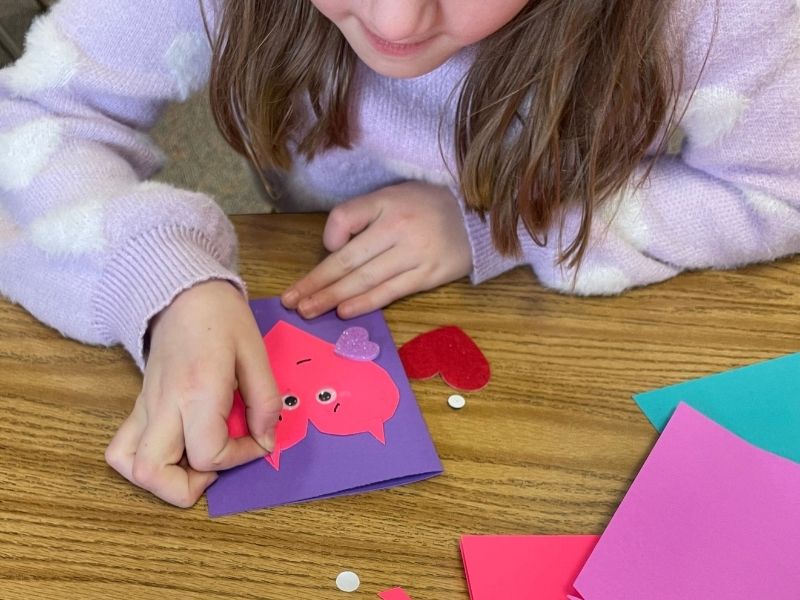
- Monster Valentines to make for a friend or family member.
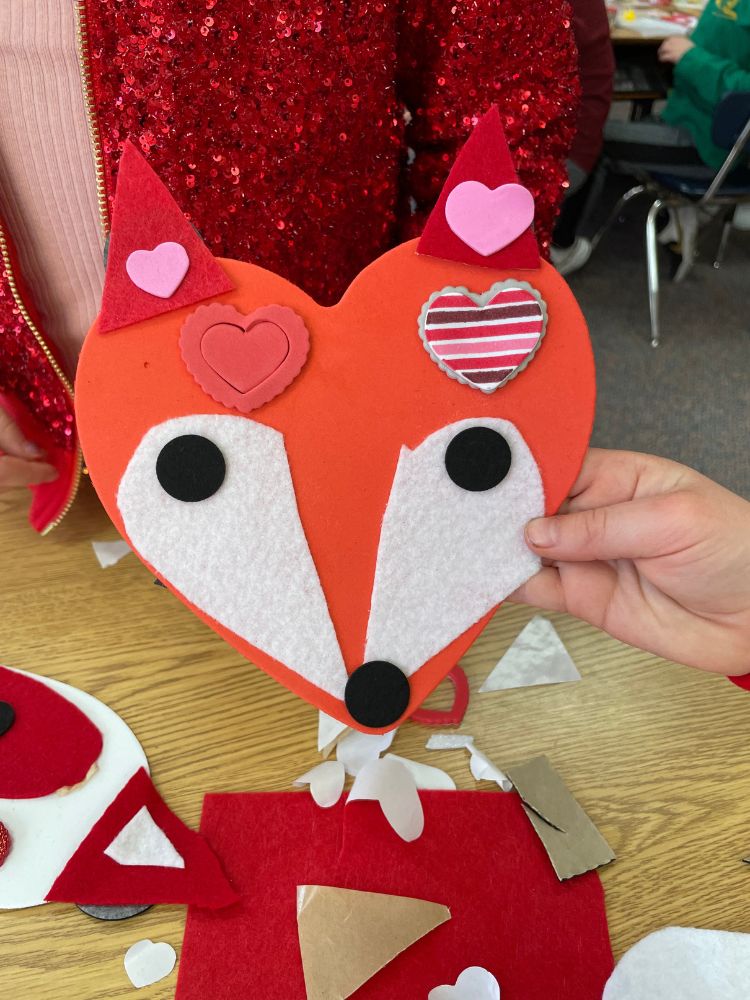
- Valentine’s Day foxes craft using foam hearts, felt, and stickers.
Printable activity sheets for kids
Activity sheets are a low-lift way to keep kids occupied and are often an activity that can accompany the classroom party “snack station.”
- Halloween coloring pages
- Winter word search (free to download)
- Valentine’s Day coloring pages
Coordinating teacher gifts
Another aspect of how to be a good room mom? Teacher gifts. And make the collection for funds easier on the parents by asking for a one-time (optional) donation at the beginning of the year that you can parse out for their birthday, holidays, and Teacher Appreciation Week. Use Venmo or another electronic means of easy donating as well as a cash option. Again, any gift will come from all students, regardless of whether their parents donated, but asking for donations early in the year will help you plan.
As a room mom veteran, take my advice. Almost every teacher prefers gift cards or cash when it comes to their birthday or holiday gifts. But I always package gift cards in a fun way to make their teacher appreciation gift special. One year, I glued them to a pretty holiday wreath. The gift cards were in individual gift card envelopes, and on each envelope I included a word that various kids in the class used to describe her. They were kindergarteners, so it was extra cute: pretty, nice, and always dresses cool. The next year, I made a gift card “bouquet” in a fun tumbler, filled with a few other summer essentials. You know your teacher and their likes the best—get creative with it!
“Almost every teacher prefers gift cards or cash when it comes to their birthday or holiday gifts.”
You’ll have a front-row seat to just how hard your teacher works throughout the year to educate your kiddo and 20-plus others. Sometimes, an unexpected treat can make their day. A coffee on a test day or flowers delivered on their birthday are always a hit. Personally, I like to bring a small gift to Meet the Teacher night. Even just a $5 gift card packaged in a cute way can show your child’s teacher that you already appreciate them.

Building an inclusive, welcoming class community
But being a good room mom isn’t just about parties and gifts. It’s also about making sure all families feel included, regardless of schedule or budget. That means sending out time-sensitive emails after working hours, so all parents and guardians have equal time to respond to time-sensitive requests. It means marking a class gift from the entire class, regardless of who contributed.
You’ll also want to be mindful of cultural and religious differences in celebrations. For example, you can lean more into snowy winter than Christmas-themed celebrations in December.
Being a room moms also requires that you encourage class parent participation without being pushy. If that means certain moms consistently volunteer to come in and help with parties and projects and others always send in a package of napkins, that’s OK. Everyone’s contribution looks different, and all are valuable.
Avoiding volunteer burnout and common room mom pitfalls
While being a room mom is an important role, it’s not a full-time job. Nor should it be. Be sure to set realistic expectations for yourself. You might even recruit a co-room mom, which has been my move for the past two years. It’s so helpful to have another mom or parent to share the workload with.
Other pitfalls to avoid? Overcommitting, trying to do it all yourself, or showing favoritism to you or your kids’ friends. Also, please don’t send too many emails. We’re all already drowning in back-to-school emails. Don’t add to the noise.
And while it’s likely the teacher will get to know both you—and your kid—super well during your tenure as room parent, don’t expect special treatment. That means, don’t ask for early info on test scores, upcoming volunteer information, or sending you pictures of your kids during the day.
One of my favorite things about being a room mom is seeing my child in their “natural habitat” at school and observing them learning, interacting with peers, and of course, having fun. But it’s so easy to get overwhelmed or to take things too seriously; remember, this is a volunteer gig—not a full-time job.
Room parent FAQs
What is a room parent/room mom?
A room parent is a volunteer who acts as a liaison between their child’s teacher and the other parents in the class. They often help with in-class celebrations and other school events and will help coordinate birthday and holiday gifts for the teacher.
How much time does being a room parent take?
It’s all in what you make of it, plus what your teacher needs in terms of help. A general rule of thumb is that the time commitment lessens as your kids get older. For example, a kindergarten teacher might ask for more in-class help than your child’s fourth-grade teacher.
How to deal if other parents are rude?
When in doubt, always wait 24 hours before responding. Maintain a sense of professionalism, kindness and courtesy, regardless. And if all else fails? The teacher might be best equipped to handle.
What if I have two kids in different classes?
In my experience, it’s possible to serve as a room parent for kids in different classes. Just be sure to be open with both teachers about expectations in terms of in-class needs. For example, ask that your in-class parties be scheduled for different days. And be sure you can manage the workload of two classes. Overcommitting and underdelivering isn’t fair to anyone, including your kids.
What if no one volunteers to help?
This one is tough, because you can’t force other parents to volunteer. If I find myself in a jam, I recruit parents I know and friends in person. Explaining what needs to be done and that any contribution is appreciated is usually effective. Many are much more likely to help when they know what the role entails. And if all else fails, chat with your teacher and make sure expectations are adjusted accordingly. After all, you’re only one person!

Rachel Morgan Cautero, Contributing Writer
Rachel is a full-time freelance writer based in Ponte Vedra, Florida. When she’s not busy wrangling a toddler, preschooler, and one very stubborn French bulldog, she’s writing on all things personal finance and parenting. Her work has appeared in The Atlantic, Forbes, Parents, Nerdwallet, The Balance, Yahoo Finance, Truly Mama, SmartAsset, HerMoney, and DailyWorth.
